Proper nutrition for children

01.09.2025

Proper nutrition for children is crucial for their growth and development. A child needs a balanced diet that provides all the necessary nutrients, vitamins and minerals needed for health and well-being.
For proper nutrition for children:
A varied diet
The diet should be varied and include all food groups:
• Carbohydrates: Whole grain bread, pasta, rice, potatoes. Carbohydrates are the main source of energy.
• Protein: Meat, fish, eggs, legumes, tofu. Protein is important for muscle growth and development.
• Fats: Healthy fats, such as olive oil, avocado, nuts and seeds. Fats are necessary for the proper functioning of the brain and hormones.
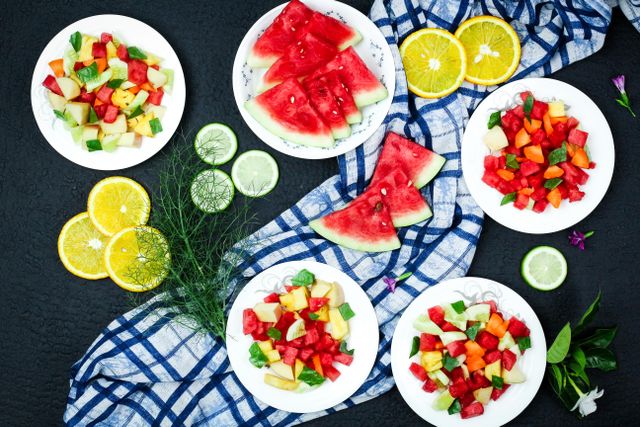
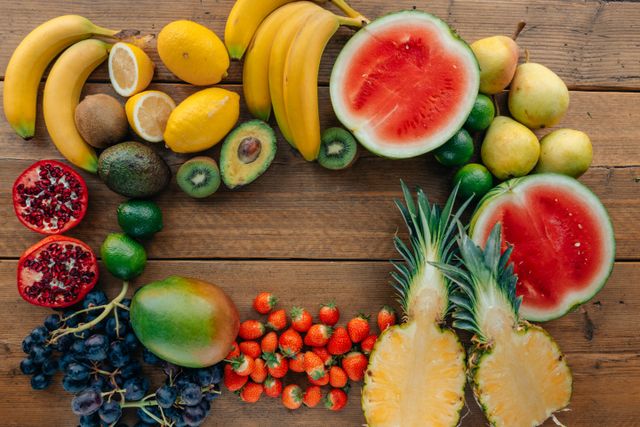
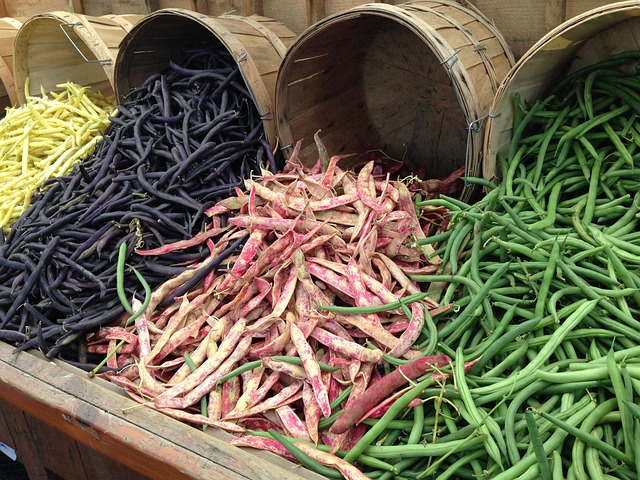
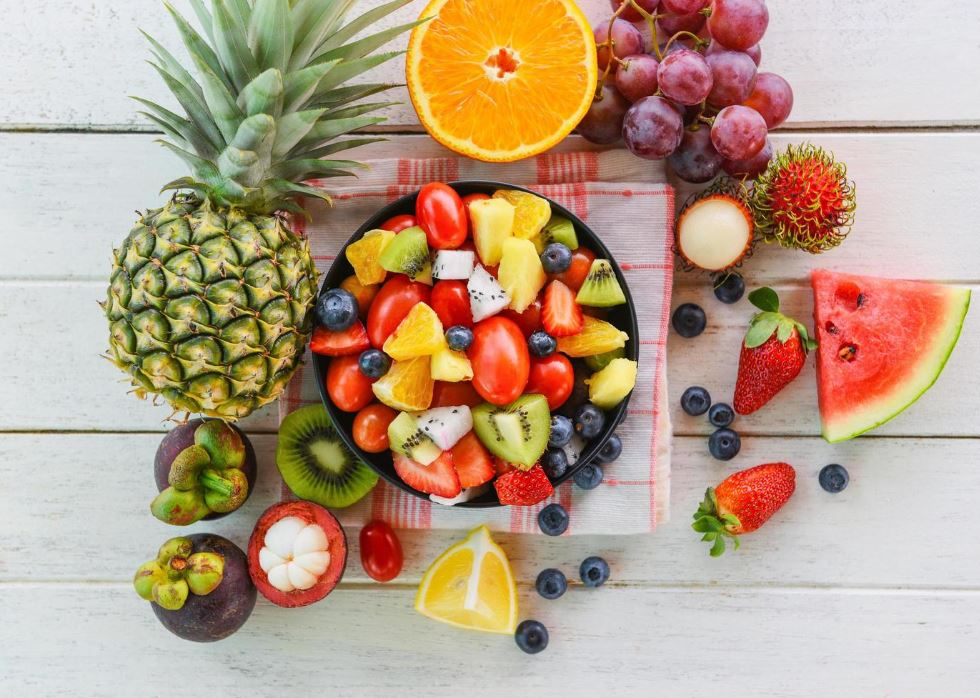
• Vegetables and fruits: Lots of vegetables and fruits, as they provide fiber, vitamins and minerals.
A varied intake of vitamins and minerals
• Calcium: Important for the growth of bones and teeth. Sources: milk, yogurt, cheese, dark green vegetables, tofu.
• Iron: Important for oxygen transport in the body. Sources: red meat, legumes, green leafy vegetables, whole grains.
• Vitamin D: Helps absorb calcium and maintain healthy bones. Sources: sunlight, fish, eggs, fortified dairy drinks.
Drinking properly
Children need plenty of fluids to stay hydrated. Water is the best choice, but natural, unsweetened juices, milk, or plant-based drinks can also be included. Sugary drinks, such as sodas and juices with added sugar, should be reduced.
Regular meals
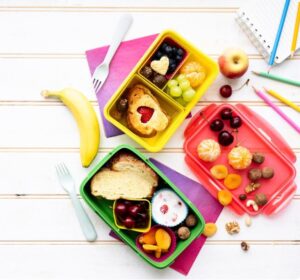
• It is best to feed children three main meals a day (breakfast, lunch, and dinner) and two healthy snacks.
• Snacks should be healthy and include foods such as fruit, nuts, yogurt, or vegetable sticks.
Moderate sugar and salt
• Children should be limited in their intake of sugar and processed foods high in sugar and salt, as this can negatively affect their health and weight.
Support with eating habits
• It is important for parents or guardians to set a good example with their own eating habits.
• Encouraging children to participate in food preparation can motivate them to be more open to new tastes and healthy choices.
Taking into account individual needs
Each child may have specific nutritional needs that need to be taken into account, such as allergies, intolerance to certain foods (e.g. lactose, gluten) or special dietary preferences (vegetarian, vegan).
Proper nutrition for children is not only crucial for their physical health, but also for their mental and emotional development.
A healthy diet contributes to better well-being, concentration and general vitality.