Foods that are important after 50

19.12.2025

After age 50, the aging process continues and brings even more specific nutritional challenges and opportunities.
Changes include a further slowdown in metabolism, loss of muscle mass, decreased bone density, increased risk of chronic diseases, and more frequent hormonal changes (menopause in women, gradual decline in testosterone in men).
Nutrition becomes an even more important pillar for maintaining vitality, independence, and disease prevention.
Dietary Guidelines After Age 50
Focus on High-Quality Protein:
o Why: Preventing sarcopenia (loss of muscle mass that accelerates after age 50) is key to strength, balance, and metabolism. Protein is essential for tissue repair, enzyme and hormone production, and immune system support. It also helps with satiety and weight management.
o Guideline: Try to include 20-30 grams of protein at each meal. Excellent sources include lean meat, poultry, fish, eggs, legumes (lentils, beans, chickpeas), tofu, quinoa, Greek yogurt, and cottage cheese.
Get enough fiber for digestion and heart health:
o Why: Digestion can slow down, leading to more constipation. Fiber is essential for regular digestion, cholesterol and blood sugar control, and a healthy gut microbiota, which is linked to your immune system and overall health.
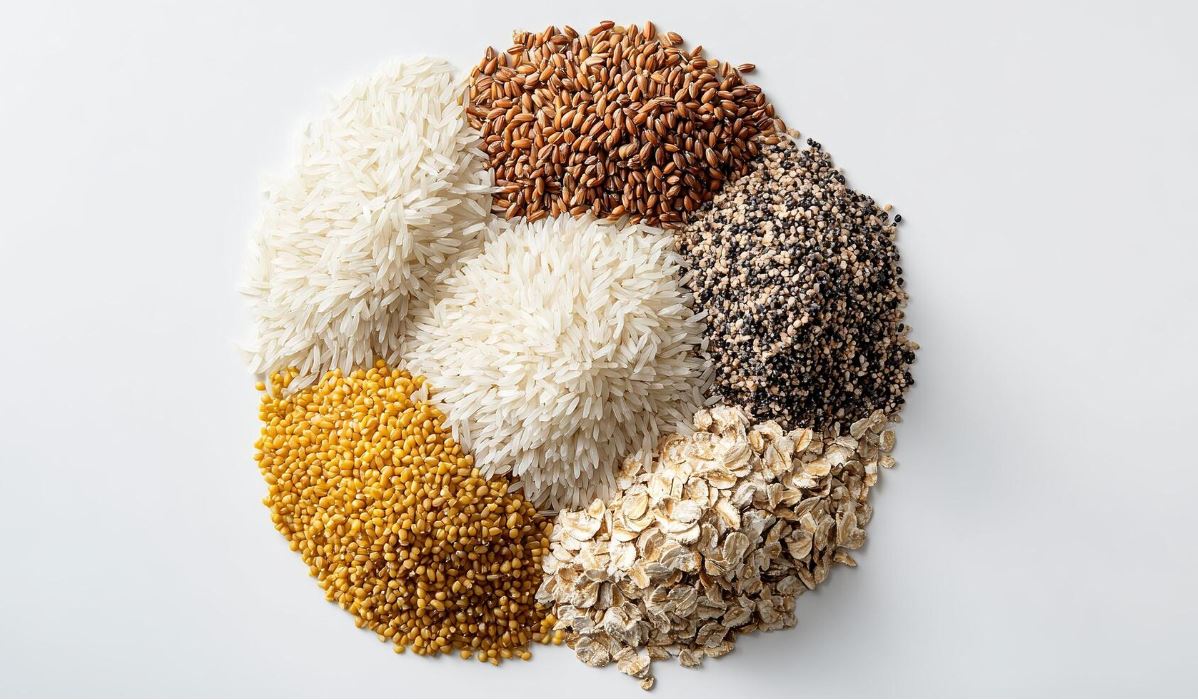
o Guideline: Increase your intake of fruits, vegetables, whole grains (oats, barley, brown rice), legumes, nuts, and seeds. Aim for at least 25-30 grams of fiber per day.
Essential healthy fats:
o Why: They are essential for cardiovascular health, brain function (memory, concentration), reducing inflammation, and absorbing fat-soluble vitamins (A, D, E, K). Omega-3 fatty acids are especially important because of their anti-inflammatory effects.
o Guideline: Regularly consume fatty fish (salmon, mackerel, sardines), avocados, extra virgin olive oil, nuts and seeds.
Calcium and vitamin D for strong bones:
o Why: The risk of osteoporosis (loss of bone density) increases significantly after the age of 50, especially in postmenopausal women. Vitamin D is necessary for calcium absorption.
o Guideline: Include low-fat dairy products (yogurt, kefir, cottage cheese, cheese), fortified plant-based drinks, dark leafy vegetables (broccoli, kale) and sardines (for calcium and vitamin D). Consult your doctor about vitamin D supplementation, as this is often necessary, especially in the winter months or when sun exposure is limited.
Pay attention to vitamin B12:
o Why: Reduced stomach acid production with age can reduce the ability to absorb vitamin B12. Deficiency can cause fatigue, neurological problems, and anemia.
o Guideline: Eat animal-based foods (meat, fish, eggs, dairy products) regularly. Vegans and vegetarians, and those over 50, should consider supplementing with vitamin B12 or consuming foods fortified with it.
Antioxidants and phytonutrients for cell protection:
o Why: Protect cells from free radical damage and reduce chronic inflammation that contributes to aging and disease. They also support skin health and the immune system.
o Guideline: Eat plenty of colorful fruits and vegetables (berries, broccoli, red peppers, tomatoes, spinach), drink green tea, and use spices like turmeric and ginger.
Reduce sodium, added sugar, and processed foods:
o Why: Help control blood pressure, prevent type 2 diabetes, and maintain a healthy weight, which are common challenges as you age.
o Guideline: Focus on whole, unprocessed foods and cook at home as much as possible.
Advantages and benefits of a targeted diet after age 50
• Reduced risk of chronic diseases: The likelihood of developing cardiovascular disease, type 2 diabetes, some cancers and neurodegenerative diseases is reduced.
• Maintaining muscle mass and strength: Key for mobility, balance and preventing falls.
• Strong bones: Reduces the risk of fractures and osteoporosis.
• Improved digestion: Regular bowel movements and better overall well-being.
• Stable energy and better cognitive function: Maintaining mental clarity, memory and concentration.
• Strengthening the immune system: Better resistance to infections.
• Weight management: Despite a slowed metabolism, it is possible to maintain a healthy weight.
• Improved quality of life: More energy, less pain and a greater ability to enjoy activities.
Nutrition after 50 is not just about restriction, but an opportunity to actively support your body and mind.
By making informed choices, you can significantly impact your health, vitality, and quality of life in your golden years.