
The Impact of Hormones on Weight

03.06.2026
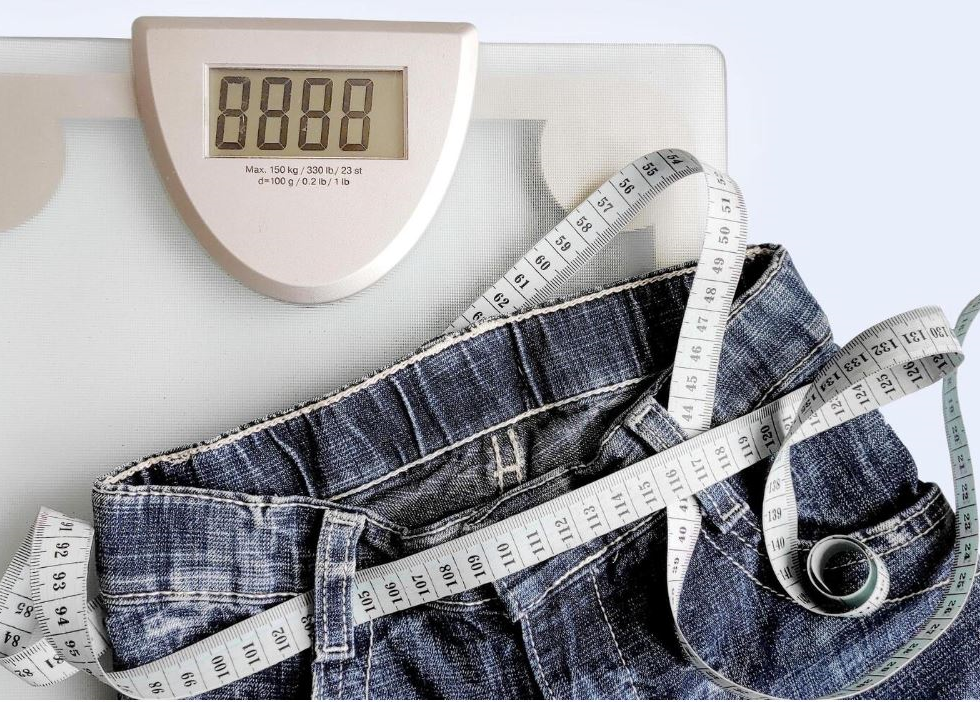
Hormones are like your body’s internal directors—they decide where fat is stored, how quickly you burn calories, and when you feel hungry.
When they’re in balance, weight loss goes smoothly; when they’re out of balance, you can feel like you’re gaining weight just by looking at a salad.
Insulin: The Fat “Storer”
Insulin is the master hormone for regulating blood sugar. Its job is to allow cells to access glucose for energy.
- Impact on weight: When insulin levels are chronically high (due to too much sugar and processed carbs), the body switches into fat storage mode and blocks fat burning.
- Solution: Reducing sugar intake and increasing fiber helps keep insulin levels low.
Cortisol: The Stress Hormone
Secreted by the adrenal glands during stressful situations.
- Impact on weight: High cortisol promotes the accumulation of visceral fat (the fat around the belly). It also increases cravings for “comfort foods,” which are usually full of sugar and fat.
- Solution: Sleep, meditation, and moderate physical activity.
Leptin and Ghrelin: Appetite regulators
These are hunger and satiety receptors that act as a balance.
- Ghrelin (Hunger hormone): Sends a signal to the brain that it’s time to eat. It’s higher when you’re sleep deprived.
- Leptin (Satiety hormone): Produced by fat cells and tells the brain that you have enough energy.
- Problem: Leptin resistance often occurs in obesity – the body has a lot of leptin, but the brain no longer hears the “enough” signal.
Thyroid hormones ($T_3$ and $T_4$)
The thyroid gland is the “thermostat” of your metabolism.
- Impact on weight: If the thyroid gland is working too slowly (hypothyroidism), the metabolism slows down, leading to unexplained weight gain and fatigue.
- Solution: Check your hormone levels with your doctor and eat a healthy diet (iodine, selenium, zinc).
Estrogen and Testosterone: Sex hormones
An imbalance of these hormones has a major impact on body composition.
- Estrogen: Levels that are too high or too low (e.g. during menopause) lead to fat accumulation on the hips or abdomen.
- Testosterone: Helps build muscle mass, which burns more calories. Low testosterone (even in women) makes it difficult to maintain a healthy weight.
Important: The body is a complex system. If you suspect that hormones are to blame for your weight, the best first step is to see a doctor and get a blood test, as “self-diagnosis” of hormones often leads to poor dietary decisions.
💖 💖 💖 💖 💖 💖
You may like these too
Pancakes
What are pancakes? Pancakes are a thin, baked dish made from a liquid batter, usually made from flou
03.09.2026

Eating Right at Work
Eating right at work is key to overcoming those “office biological traps” we talked abou
03.09.2026

Foods that should not be eaten after their expiration date
When it comes to food, it is crucial to distinguish between two labels: “Best before” (q
03.09.2026
Which grains should be soaked before cooking
Soaking foods is not just an old cooking trick from our grandmothers, but a scientifically supported
01.09.2026