Summer nutrition

20.06.2025

Summer nutrition is adapted to warmer weather and an active lifestyle. The key goals are: hydration, lightness, refreshment and sufficient nutrient intake.
It has many benefits and advantages, as it is adapted to warmer weather, greater physical activity and increased hydration needs.
🌞 Basic principles of summer nutrition:
1. Light but nutritious food: Avoid heavy, fatty foods.
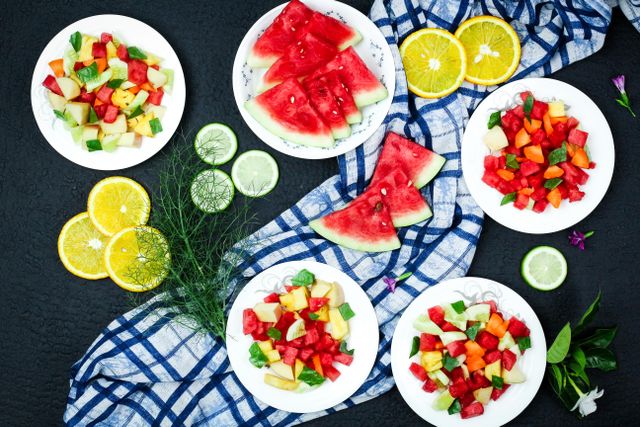
2. Hydration: Water, herbal teas, sugar-free lemonade, fruits with a high water content (watermelon, cantaloupe, strawberries).
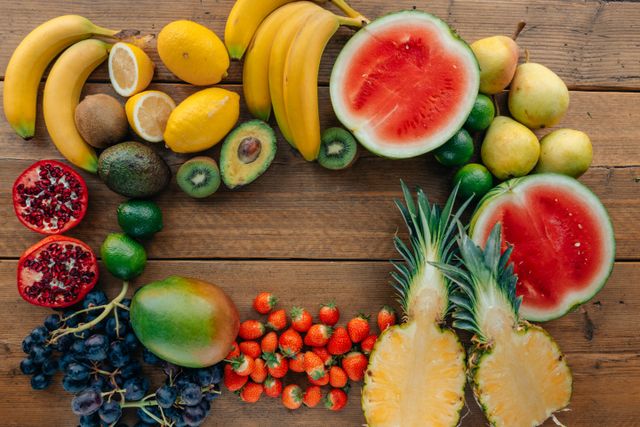
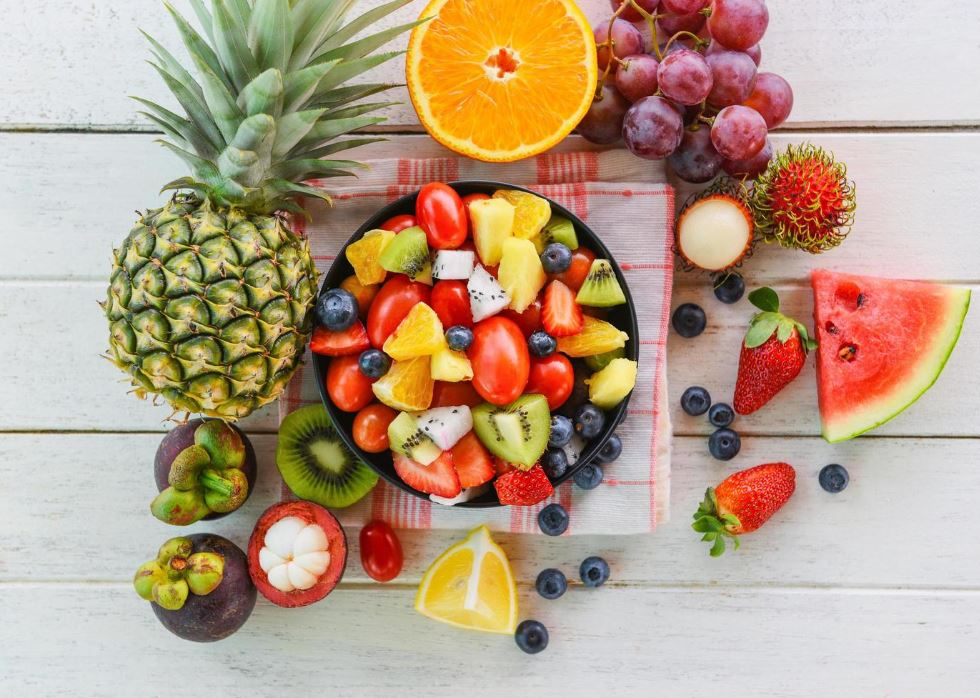
3. More fresh fruits and vegetables: Vitamins, fiber, antioxidants.
4. Less cooking: Salads, smoothies, cold soups (gazpacho), sandwiches.
5. Less sugar and alcohol: Sugary drinks dehydrate.
Benefits and advantages
🌿 Benefits and advantages of summer diet
Better body hydration
• In summer, the body loses more fluid through sweat.
• Foods rich in water (watermelon, cucumbers, zucchini) help maintain hydration.
• Regular consumption of herbal teas, lemonade and fruit prevents dehydration.
Less strain on digestion
• Lighter foods (salads, fruit, fish) are more digestible than heavy, fatty foods.
• Less chance of bloating, fatigue or digestive problems.
Increased energy and vitality
• Raw, fresh food contains more vitamins, minerals and enzymes.
• Higher intake of antioxidants (from fresh vegetables and fruit) supports the functioning of the immune system.
Natural aid in maintaining body weight
• Fresh food has fewer calories, but more fiber – it is more filling and prevents overeating.
• Less cravings for sweets if we regularly consume fruit and healthy snacks.
Better skin and sun protection
• Foods rich in beta-carotene (carrots, apricots) support skin protection against UV rays.
• Antioxidants (e.g. vitamin C from berries) help skin renewal.
More variety on the plate
• Summer offers an abundance of local, seasonal foods that are more nutritious and delicious.
• Eating seasonal food is also more sustainable and often cheaper.
Less thermal preparation of food required
• Less cooking means more nutrients are retained in food.
• Raw food intake increases, which supports better metabolism and gut health.
🧠 Psychological benefits:
• Summer food has a refreshing and relaxing effect.
• Helps improve mood and reduce stress (especially with regular consumption of magnesium, omega-3 and vitamin B).
✅ Tips for summer:
• Eat small amounts more often.
• Store food properly – summer is a time of rapid spoilage!
• Use fresh local foods.
• If you are in the sun a lot: increase your intake of vitamin C, beta-carotene (carrots, mango, melon).