What to eat for well-being

12.08.2025

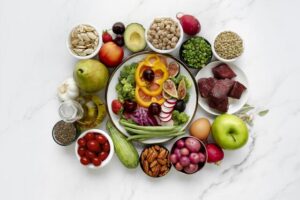
For well-being, it is recommended to eat a balanced and varied diet that includes lots of whole foods and minimally processed foods. It is not about strict diets or giving up certain food groups, but about a long-term approach that supports both physical and mental health.
Here are the key elements of a diet that contribute to well-being:
Lots of fruits and vegetables
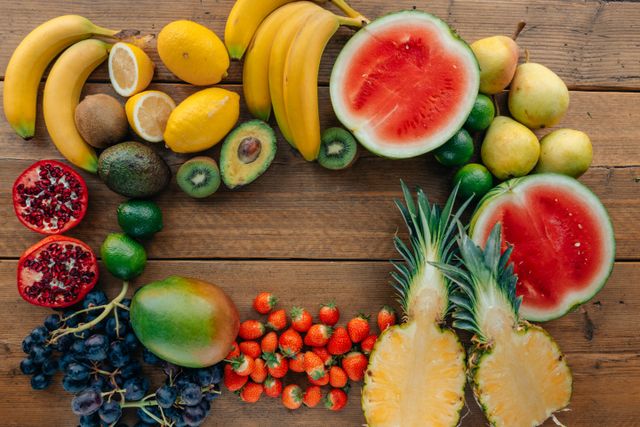
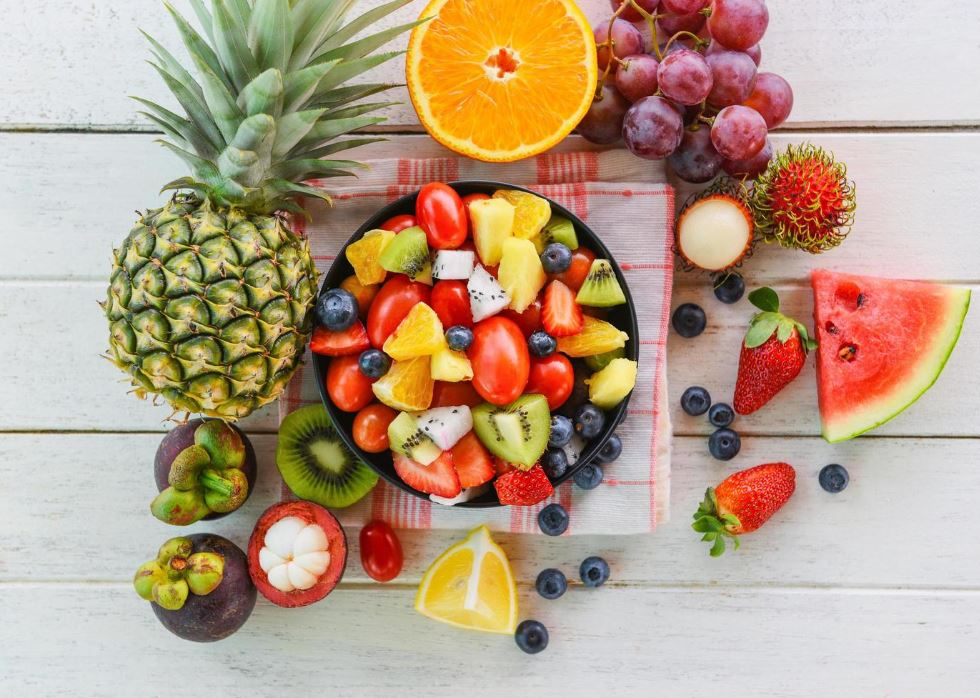
Fruits and vegetables are full of vitamins, minerals, fiber and antioxidants, which are essential for energy, a strong immune system and protecting cells from damage. Try to eat a wide range of colors, as each color offers a different set of nutrients.
Whole grains
Choose whole grains over refined grains. This means whole-grain bread, pasta, brown rice, quinoa, oats and barley. Whole grains are rich in fiber, which aids in digestion, stabilizes blood sugar and provides long-lasting energy.
Protein
Protein is the building block of our bodies and is important for satiety, muscle growth and repair, and energy. Include lean sources of protein, such as:
• Skinless chicken and turkey
• Fish (especially oily fish like salmon, mackerel, sardines, which are rich in omega-3 fatty acids)
• Legumes (beans, lentils, chickpeas)
• Eggs
• Nuts and seeds
• Tofu and tempeh
• Low-fat dairy products
Healthy fats
Don’t be afraid of fats, but choose healthy fats, which are essential for brain function, vitamin absorption, and reducing inflammation. You can find them in:
• Avocado
• Olive (olive oil)
• Nuts and seeds (almonds, walnuts, chia seeds, flaxseed)
• Oily fish
Limit processed foods, sugar and unhealthy fats
Excessive consumption of processed foods, sugary drinks, sweets and foods with saturated and trans fats can cause energy fluctuations, affect mood and contribute to health problems in the long run. While you don’t have to give them up completely, moderation is key.
Hydration
Don’t forget the water! Adequate hydration is key for every bodily function, including energy, concentration and digestion. Drink plenty of water throughout the day.
Important for well-being:
• Eat regularly: Regular meals prevent sharp fluctuations in blood sugar and excessive hunger, which can lead to poor choices.
• Listen to your body: Learn to recognize hunger and fullness signals.
• Cook at home: When you cook at home, you have control over the ingredients and can prepare more nutritious meals.
• Enjoy your food: Eating should be a pleasant and relaxed experience.
This approach to nutrition provides the body with everything it needs to function optimally, and thus improves both physical and mental well-being.