A healthy diet in adulthood

12.11.2025

A healthy diet in adulthood is key to maintaining health, well-being and preventing disease.
As we age, our metabolism slows down, muscle mass decreases and special nutritional needs may arise.
Key recommendations for nutrition in adulthood
Protein:
○ Protein needs may even increase, as they are important for maintaining muscle mass and bones.
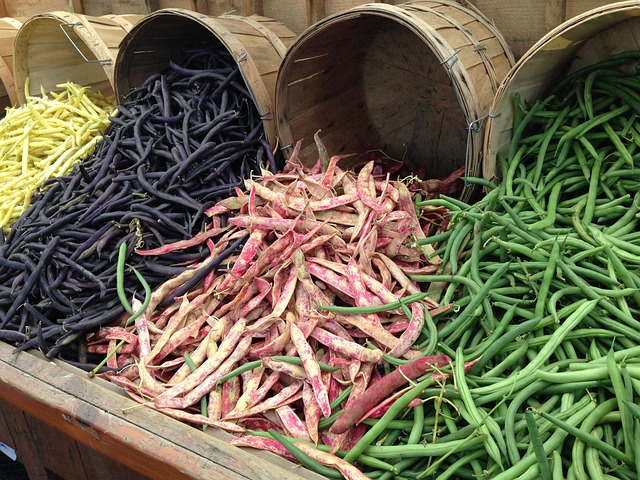
○ Recommended sources are: lean meat, fish (especially those with omega-3 fatty acids, such as salmon), poultry, eggs, milk and dairy products (low-fat cottage cheese, low-fat cheeses, fermented products), legumes (beans, lentils, chickpeas, soybeans, tempeh), nuts and seeds.
Fruits and vegetables:
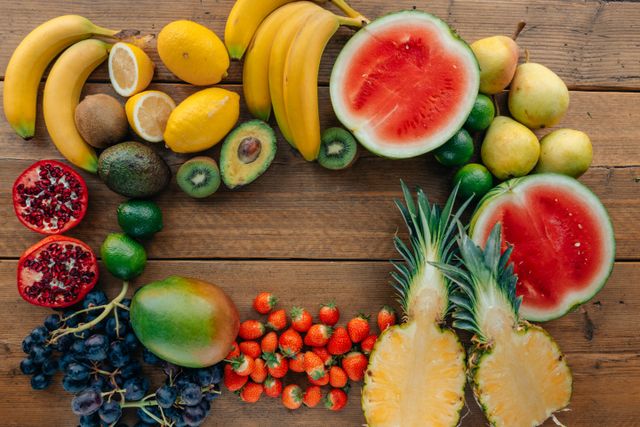
○ Eat at least 5 servings a day, as fresh, seasonal and local as possible. They are a rich source of vitamins, minerals, antioxidants and dietary fiber.
○ Leafy greens and legumes are also good sources of iron.
Starchy foods and fiber:
○ Choose mainly whole grain products (rye bread, whole grain pasta, unpolished rice, porridge, cereals).
○ Fiber (from whole grains, fruits, vegetables, legumes, nuts) is important for good digestion and reducing the risk of chronic diseases.
Fats:
○ Give preference to unsaturated fats, especially omega-3 fatty acids (sea fish, rapeseed, soybean oil). They are important for heart and brain health.
○ Limit your intake of saturated fats and trans fats.
Hydration:
○ Sufficient hydration is very important, as the feeling of thirst can decrease with age.
○ Drink at least 1.6 liters of fluid (8 glasses) per day (water, unsweetened tea, soups).
Vitamins and minerals:
○ Make sure you get enough calcium (dairy products, leafy greens) and vitamin D (fatty fish, fortified foods, sun exposure) to maintain healthy bones.
○ Get enough vitamin B12 (especially from animal sources), as absorption can be reduced.
○ Iron (leafy greens, legumes, meat) – vitamin C helps with absorption.
Eating rhythm:
○ Smaller, evenly spaced meals throughout the day (breakfast, lunch, dinner and 1-2 snacks) are recommended, which helps with a balanced supply of nutrients and regulates hunger.
Food preparation and selection:
• Choose high-quality, seasonal foods prepared in a healthy way (cooking, stewing, baking, raw).
• Foods high in fat and/or sugar and highly processed foods are less recommended.
If you have specific health problems or are taking medication, it is always advisable to consult a doctor.