Food as a tool for defense

28.11.2025
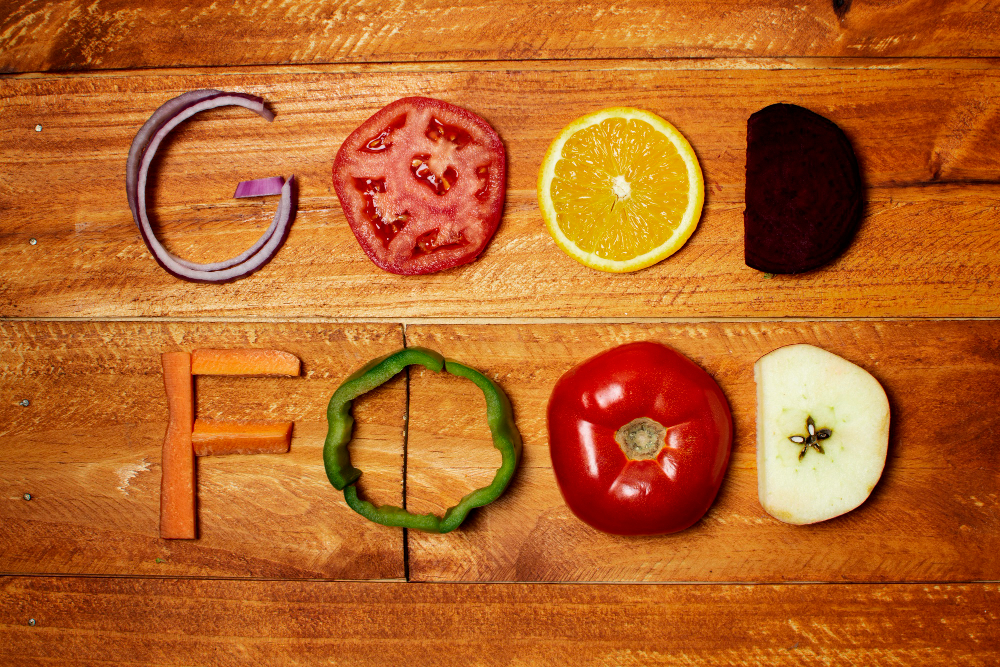
Food is a truly powerful tool for defense against disease, as it is not only a source of energy, but also a source of substances that actively influence our health and the functioning of the immune system. In fact, our diet is one of the most important factors that we can influence to reduce the risk of developing many chronic diseases and better fight infections.
How does food work as a tool for defense?
Strengthens the immune system:
Vitamins and minerals: Certain vitamins (e.g. C, D, A, E, B6, B12) and minerals (zinc, selenium, iron) are essential for the optimal functioning of immune cells. A deficiency in any of them can weaken the immune response, making us more susceptible to infections.
Antioxidants: Foods rich in antioxidants (such as vitamin C, E, carotenoids, flavonoids) neutralize free radicals that can damage cells and weaken the immune system. In this way, they reduce oxidative stress and inflammation in the body.
Reduces inflammation:
Anti-inflammatory foods: Chronic inflammation is linked to many diseases, such as heart disease, diabetes, autoimmune diseases, and some cancers. Foods rich in omega-3 fatty acids (fatty fish, flaxseed), antioxidants, and certain phytochemicals (turmeric, ginger, green tea) can help reduce inflammation in the body.
Avoiding pro-inflammatory foods: Processed foods, sugar, trans fats, and refined grains can promote inflammation. Limiting them is key to preventing disease.
Supports gut health (microbiome):
Fiber: Fiber, found in fruits, vegetables, whole grains, and legumes, feeds the good bacteria in our gut (microbiome). A healthy gut microbiome is closely linked to a strong immune system, better mood, and a lower risk of chronic disease.
Probiotics and prebiotics: Fermented foods (yogurt, kefir, sauerkraut) are rich in probiotics (beneficial bacteria), while prebiotics (fiber that feeds these bacteria) are present in garlic, onions, bananas, oats.
Regulates blood sugar and cholesterol:
Complex carbohydrates and fiber: Help stabilize blood sugar levels, which is key to preventing type 2 diabetes.
Healthy fats and soluble fiber: Help lower “bad” LDL cholesterol and increase “good” HDL cholesterol, thereby reducing the risk of cardiovascular disease.
Maintains a healthy weight:
A balanced diet rich in whole foods helps maintain a healthy weight. Overweight and obesity are important risk factors for many chronic diseases, including heart disease, diabetes, some cancers, and joint diseases.
Which foods are especially important for disease defense?
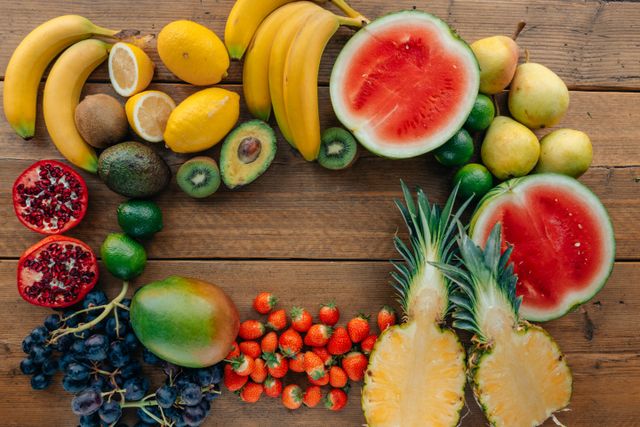
• Varied fruits and vegetables: Blueberries, spinach, broccoli, carrots, tomatoes, citrus fruits – the more colorful, the better!
• Fatty fish: Salmon, mackerel, sardines – rich in omega-3 fatty acids.
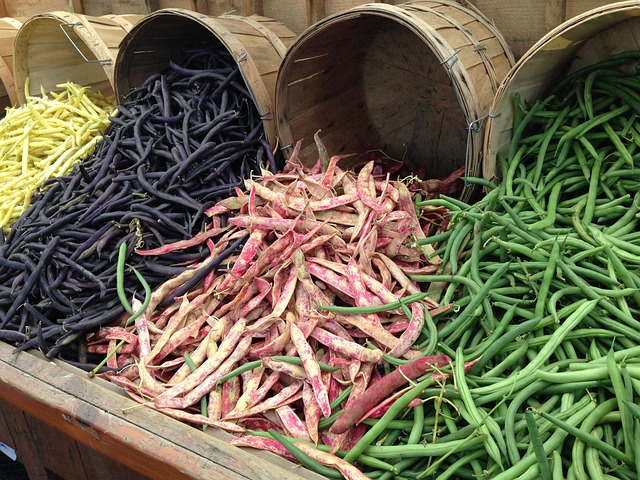
• Whole grains and legumes: Oats, brown rice, quinoa, beans, lentils.
• Nuts and seeds: Almonds, walnuts, flaxseed, chia seeds.
• Herbs and spices: Turmeric, ginger, garlic, oregano.
• Green tea: Rich in antioxidants.
• Fermented foods: Yogurt, kefir, sauerkraut.
By carefully planning and choosing foods that support our bodies at a cellular level, we can actively contribute to our health and effectively defend ourselves against disease. Think of your diet as a daily investment in your long-term health and vitality.