
Diet against fatigue

03.05.2026
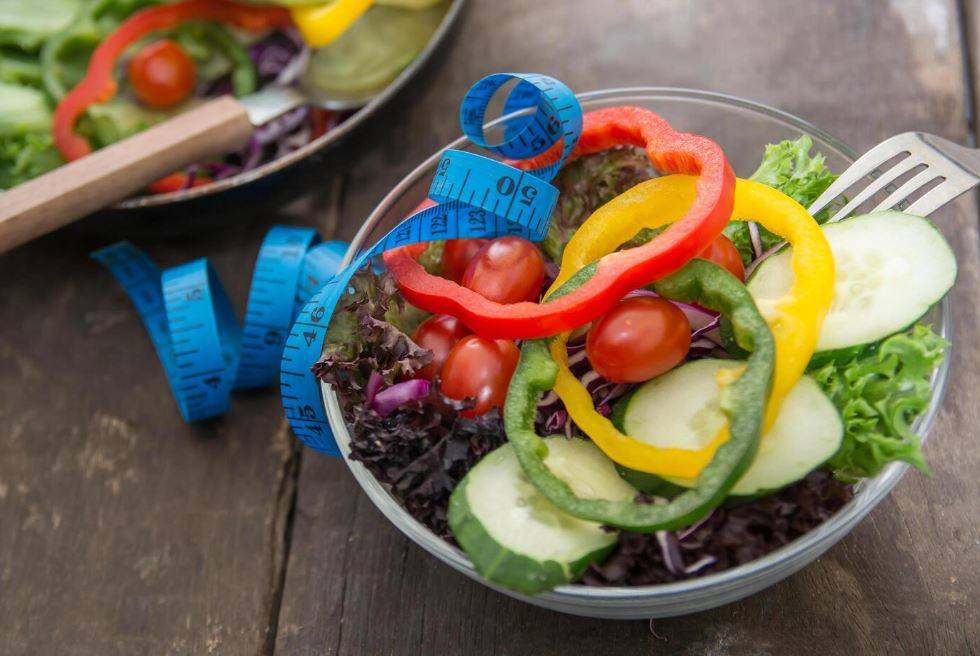
Fatigue is often a sign that your body is burning the wrong fuel or lacking key “ignitors” for energy release.
Instead of short-term solutions like sugar and too much caffeine (which lead to an inevitable “crash”), focus on stabilizing blood sugar and supporting your mitochondria.
Complex carbohydrates for stable energy
Instead of white bread and pasta, choose foods with a low glycemic index. These slowly release glucose into the blood, preventing mood swings and drowsiness.
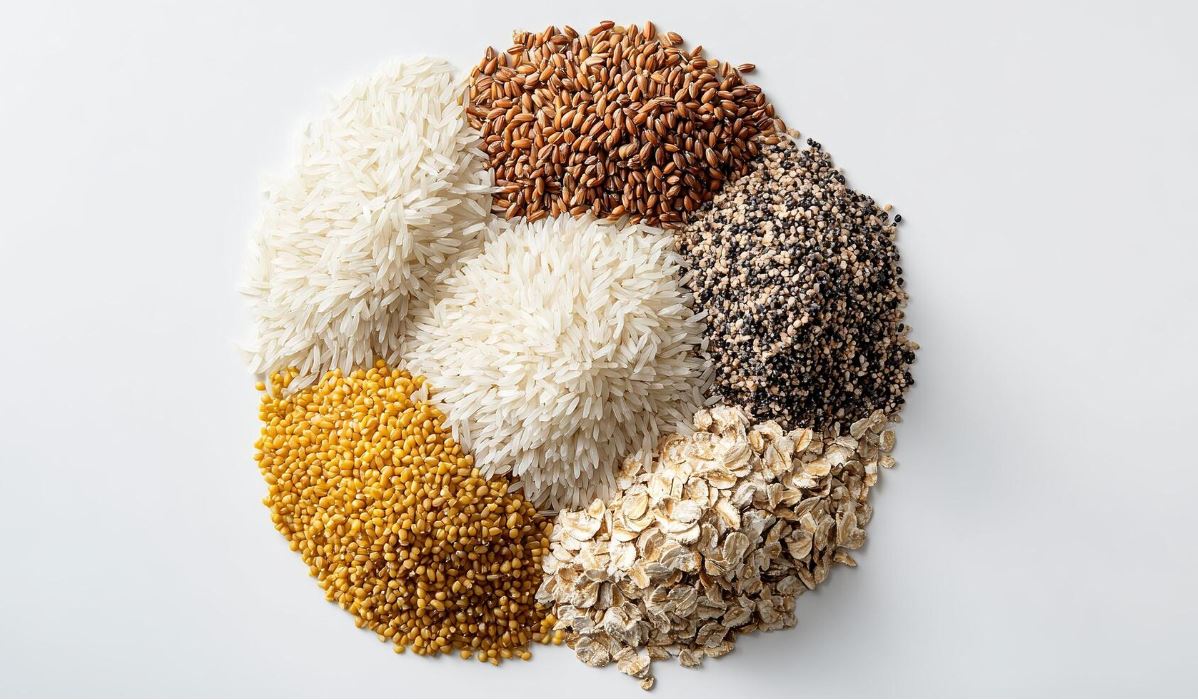
• Oats and whole grains: A great choice for breakfast.
• Legumes (beans, lentils, chickpeas): Provide fiber and protein that will keep you full for longer.
• Sweet potatoes: An excellent source of complex carbohydrates and vitamin A.
Foods rich in iron and B vitamins
Iron deficiency is one of the most common causes of chronic fatigue (anemia).
• Spinach and dark green leafy vegetables: A source of iron and magnesium, which helps relax muscles.
• Lean meat or eggs: They contain vitamin B12, which is essential for converting food into energy.
• Seeds and nuts: Pumpkin seeds are a real magnesium bomb, which prevents feelings of exhaustion.
Healthy fats for the brain
The brain is largely made up of fat. If it is “dry”, you will experience the so-called brain fog.
• Fatty fish (salmon, sardines): Omega-3 fatty acids reduce inflammation in the body that causes fatigue.
• Avocado: Full of healthy fats and potassium.
• Walnuts: A great snack for concentration.
Strategies that are more important than food choices:
• The hydration rule: Even mild dehydration causes fatigue and headaches. Drink water throughout the day, not just when you are thirsty.
• Caffeine with strategy: Drink coffee at least 90 minutes after you wake up. This will allow your body to naturally raise cortisol levels and avoid the afternoon energy slump.
• Smaller, more frequent meals: A big lunch will divert all the blood to your digestive tract, which will inevitably make you sleepy.
Example of an “energy” day:
Breakfast: Oatmeal with blueberries, chia seeds, and a drizzle of almond butter.
Lunch: A bowl of quinoa, roasted vegetables, chickpeas, and avocado.
Afternoon snack: Greek yogurt or a handful of almonds.
Dinner: Baked salmon with asparagus and a small portion of brown rice.
🌿 🌿 🌿🌿 🌿 🌿
You may like these too
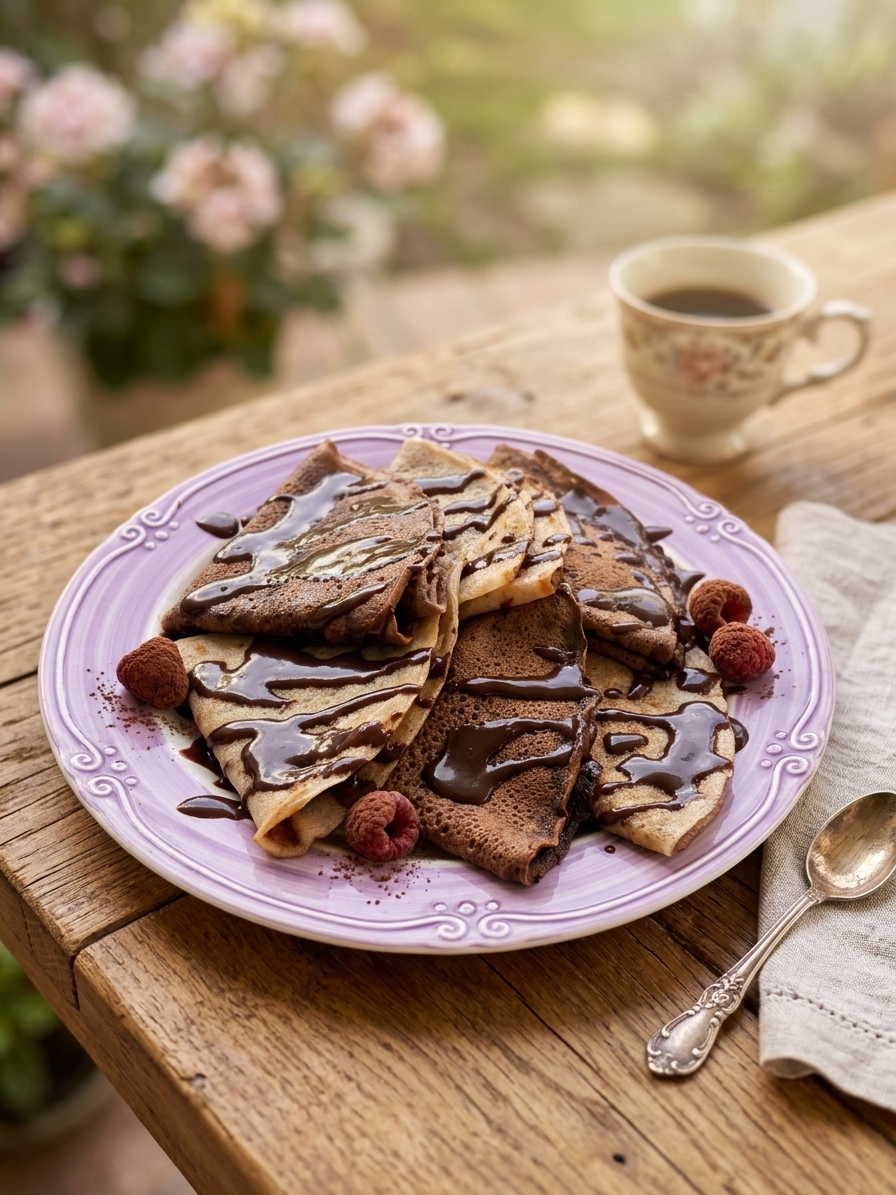
Pancakes
What are pancakes? Pancakes are a thin, baked dish made from a liquid batter, usually made from flou
03.09.2026
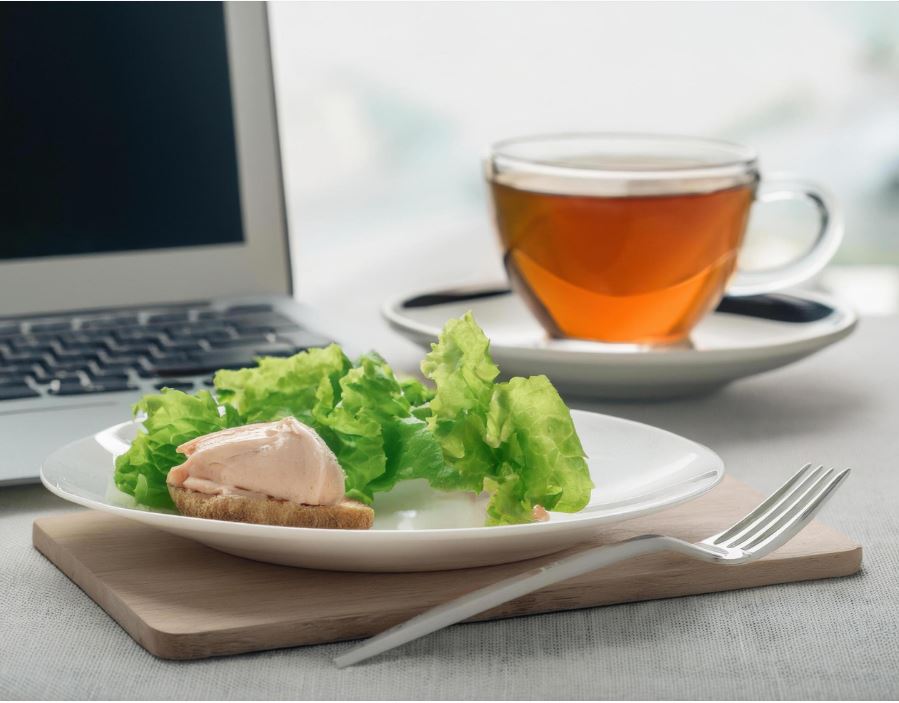
Eating Right at Work
Eating right at work is key to overcoming those “office biological traps” we talked abou
03.09.2026
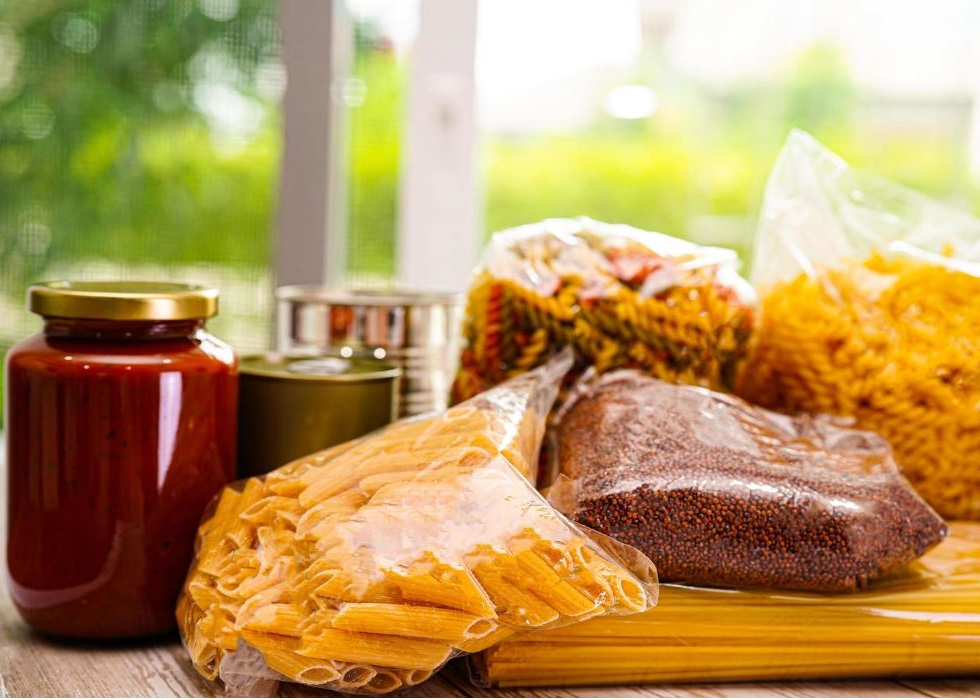
Foods that should not be eaten after their expiration date
When it comes to food, it is crucial to distinguish between two labels: “Best before” (q
03.09.2026
Which grains should be soaked before cooking
Soaking foods is not just an old cooking trick from our grandmothers, but a scientifically supported
01.09.2026