
How to Cut Sugar Out of Your Diet

23.07.2026
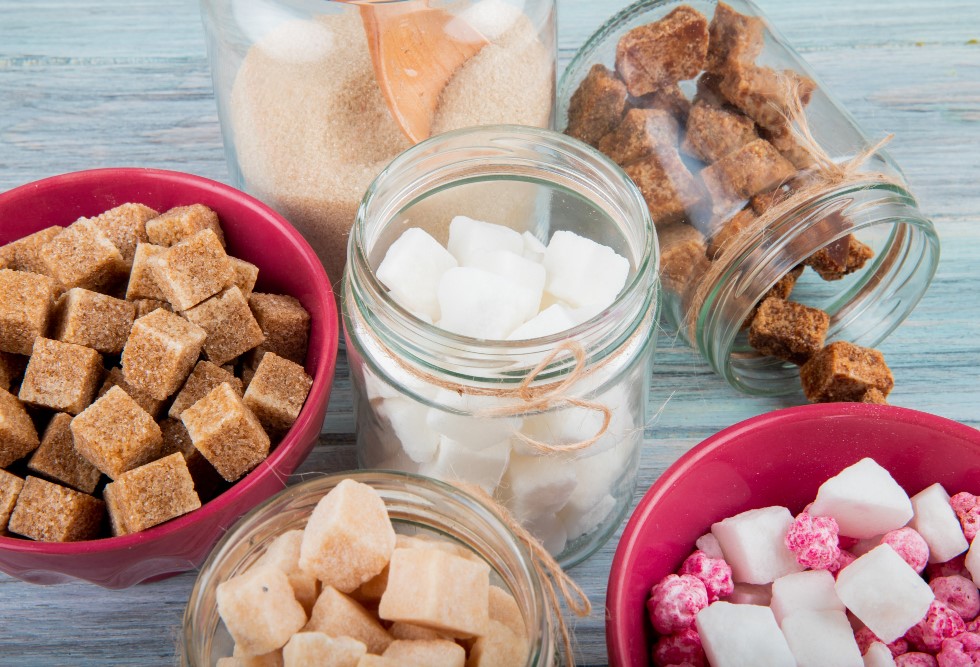
Eliminating or significantly reducing added sugar in your diet doesn’t mean you have to give up all sweet tastes or go on a strict diet.
With simple, gradual changes, you can cut out sugar without feeling like you’re giving up much.
Eliminate “liquid sugar”
Sweet drinks are the biggest source of hidden sugar, because the body doesn’t recognize them as food and they don’t create a feeling of fullness.
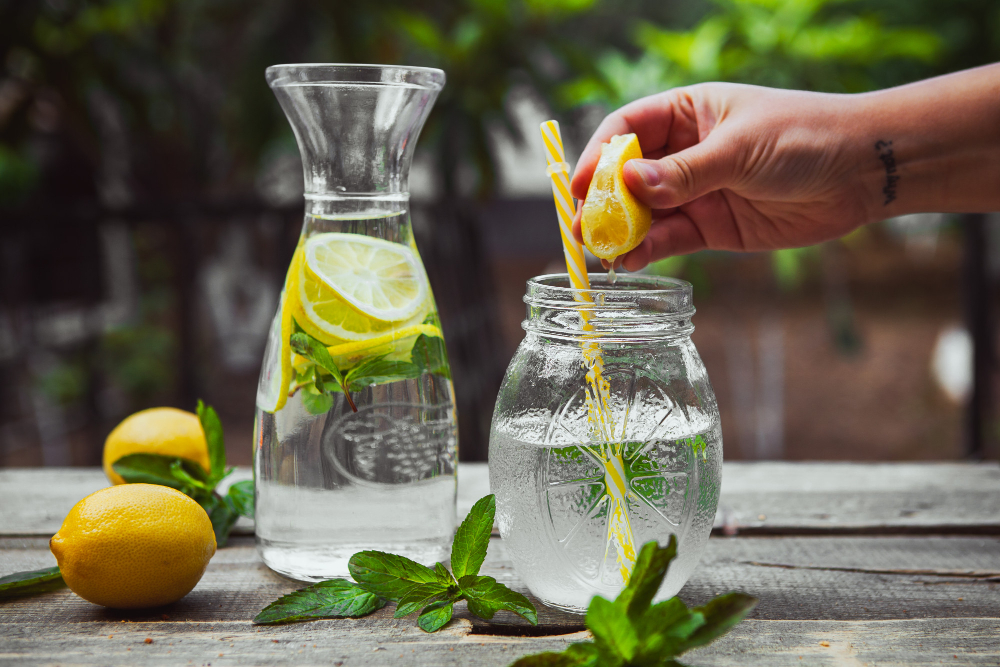
• Replace juices and sodas: Drink water, herbal teas, or water with a slice of lemon, cucumber, or a few mint leaves.
• Unsweetened coffee and tea: If you sweeten your coffee, gradually reduce the amount of sugar (by half a teaspoon each week) so your taste buds get used to the natural taste.
Identify and replace hidden sugar in store-bought foods
Sugar is often hidden in foods where we don’t expect it (sauces, salad dressings, cereals, flavored yogurts).
• Buy natural, unprocessed versions: Instead of fruit yogurt, choose plain or Greek yogurt and add a handful of fresh or frozen berries.
• Read the labels: Sugar is often hidden on packaging under names such as glucose-fructose syrup, agave syrup, sucrose, maltose, concentrated fruit juice or dextrose.
Replace refined sugars with natural sweetness
When you feel a craving for something sweet, reach for foods that, in addition to natural sugar, also contain fiber, which slows down the rise in blood sugar:
• Fresh fruit: Bananas, apples, oranges or berries.
• Dried fruit (in moderation): Dates or dried figs are great natural sweeteners for homemade sweets or oatmeal.
• Cinnamon and vanilla: Adding ground cinnamon or real vanilla to porridge and yogurt creates a feeling of sweetness without added sugar.
Increase your protein, healthy fats, and fiber intake
Cravings for sweets are often caused by fluctuations in blood sugar or a lack of fullness at meals.
• Stabilize your blood sugar: Include a good source of protein (eggs, legumes, lean meats, fish, kefir) and healthy fats (avocado, nuts, seeds) at every meal.
• Stock up on healthy snacks: When you get hungry between meals, keep a handful of almonds, walnuts, or a tablespoon of unsweetened peanut butter on hand.
Make your own meals (control the ingredients)
Pre-packaged meals and restaurant foods often contain added sugar to enhance the taste.
• Make your own salad dressings (e.g., olive oil, lemon juice, and a little mustard).
• Make your own cereal or oatmeal instead of buying pre-made granola mixes.
Your taste buds will adjust to less sweet tastes in just 2 to 3 weeks.
After this period, processed sweets will become even too sweet. Start with one or two steps (e.g. cutting out sugary drinks and substituting fruit yogurts) and gradually build up.
You may like these too
Lemon water
Lemon water – a simple, yet extremely popular drink that many people include in their daily routin
23.07.2026
How to Cut Sugar Out of Your Diet
Eliminating or significantly reducing added sugar in your diet doesn’t mean you have to give u
23.07.2026
How to make a perfect breakfast plate?
A good breakfast provides your body with energy, helps maintain stable blood sugar, and keeps you fu
23.07.2026
Foods High in Antioxidants
Foods high in antioxidants help protect cells from oxidative stress. They are found mostly in colorf
23.07.2026