The impact of vegetables on health

21.07.2025
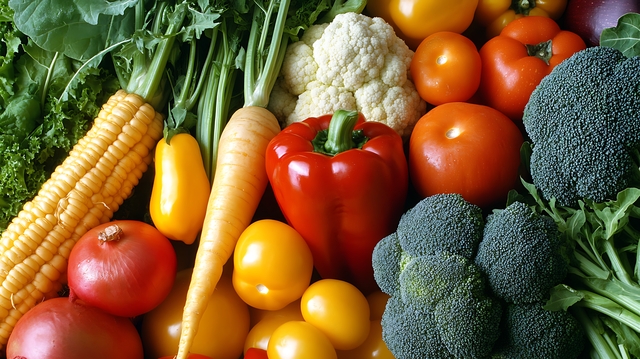
Vegetables are one of the most important foundations of a healthy diet, as they contain a lot of fiber, vitamins, minerals and antioxidants. When and how we consume them has a strong impact on our well-being, digestion and health.
🕒 WHEN TO EAT VEGETABLES TO STAY HEALTHY?
✅ 1. At each main meal
Vegetables should be part of breakfast, lunch and dinner, or at least two larger meals a day.
Meal Example of vegetables How it helps
Breakfast Avocado, spinach, tomatoes, peppers Fiber and a healthy start to the day
Lunch Broccoli, zucchini, carrots, salads Helps with digestion, fills you up without calories
Dinner Cauliflower, arugula, kale, cooked vegetables Light and nutritious dinner
🥗 2. Before or with the main course
• If you start a meal with vegetables (e.g. soup or salad), you will feel full sooner, you will eat less unhealthy things.
• Fiber from vegetables slows down the absorption of sugars → more stable glucose levels.
🕑 3. As a healthy snack
• E.g. carrots, peppers, cucumbers with hummus, sour milk or yogurt.
• A great alternative to unhealthy snacks – no empty calories.
🥦 HOW MANY VEGETABLES PER DAY?
• Recommended: at least 400 g of vegetables per day (about 3–5 servings).
• One serving = a handful of cooked broccoli or 1 cup of leafy lettuce.
🥕 COOKED OR RAW?
Type Benefits Examples
Raw More vitamins (C, folic acid), crunchy Salads, fresh sticks, green juices
Cooked Easier to digest, some nutrients more available Steamed vegetables, soups, stews
➡️ It is best to combine both – raw for freshness, cooked for easier digestion.
❌ WHAT TO AVOID?
• Too many baked or fried vegetables – the added fat can negate the benefits.
• Vegetables with a lot of salt (e.g. pickled or canned) – choose unsalted or rinse with cold water.
✅ CONCLUSION:
For health, it is ideal to:
• Eat a variety of vegetables throughout the day.
• Vegetables should be the basis of each meal (at least half a plate).
• Change types (leafy, root, cruciferous, colorful).