Fruit – important part of a balanced diet

23.07.2025

Fruit is a very important part of a balanced diet, but when and how we eat it is key to get the most out of the nutrients and avoid potential problems (e.g. bloating, sugar fluctuations).
✅ WHEN IS THE BEST TIME TO EAT FRUIT?
🕘 Morning or mid-morning (on an empty or almost empty stomach)
• The body has a greater need for energy at that time, and fruit is easy to digest and provides quick energy.
• Example: fruit for breakfast (e.g. with oatmeal, Greek yogurt or smoothie).
🕒 Between meals (as a healthy snack)
• Fruit is a good snack between lunch and dinner – it fills you up, adds fiber and prevents unhealthy snacking.
❌ Avoid fruit right after a large meal
• If you eat fruit right after a fatty or large meal, it can:
○ be less digestible (because fruit ferments with other foods)
○ cause bloating or gas
○ utilize fewer nutrients
🍏 HOW MUCH FRUIT PER DAY?
• 2–3 servings of fruit per day are recommended (1 serving = 1 medium apple, banana, 1 cup of strawberries, etc.).
• It is ideal to combine different types: citrus fruits, berries, apples, bananas, melons, grapes, etc.
📌 ADDITIONAL TIPS FOR EATING FRUIT:
• Eat whole fruit instead of fruit juices – it contains more fiber and less sugar.
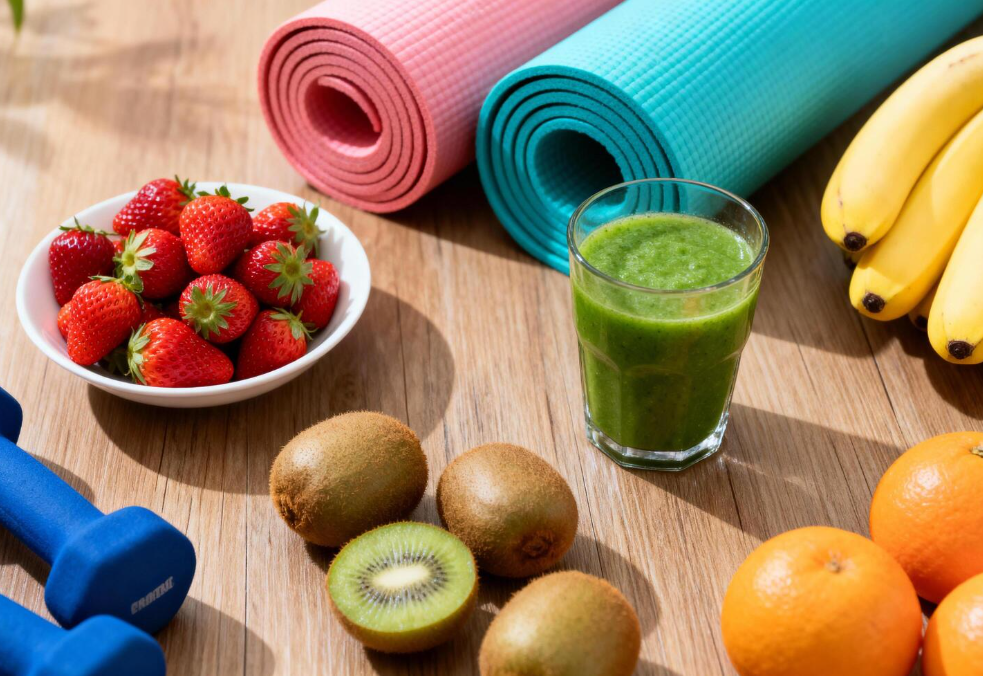
• Smoothies are great if you make them at home without added sugar.
• You can combine fruit with protein or fat to keep you fuller for longer (e.g. apple + nuts, banana + peanut butter).
🩺 WHO SHOULD BE CAREFUL WITH FRUIT?
• Diabetics – should choose fruits with a lower glycemic index (berries, apples, pears).
• People with sensitive stomachs – should not eat sour fruits on an empty stomach.