Whole Foods – The Key to Health and Well-Being

24.10.2025

A whole foods diet is based on natural, minimally processed foods that provide the body with all the nutrients it needs.
This way of eating supports digestion, improves energy, and reduces the risk of chronic diseases.
🔹 Key principles of a whole foods diet
✅ Natural, minimally processed foods – fresh fruits, vegetables, whole grains, legumes, nuts, seeds.
✅ Variety – a combination of different nutrients ensures better health.
✅ No artificial additives – less sugar, salt, preservatives, and trans fats.
✅ Seasonal and local foods – fresh foods have more nutrients and taste better.
✅ Moderation and balance – meals should include all food groups.
🍏 What does a whole foods diet include?
Whole grains 🌾
🔹 Oats, brown rice, quinoa, whole wheat flour, barley, buckwheat
🔹 Rich in fiber, B vitamins and minerals
🔹 Aids digestion, reduces blood sugar fluctuations
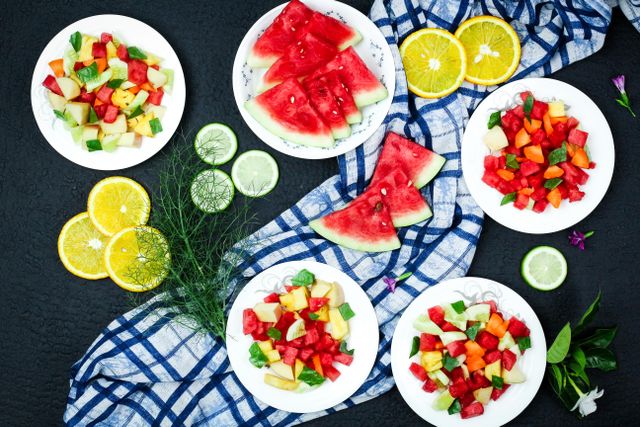
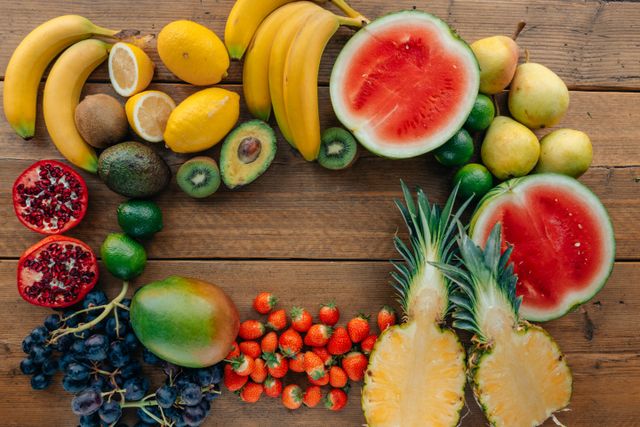
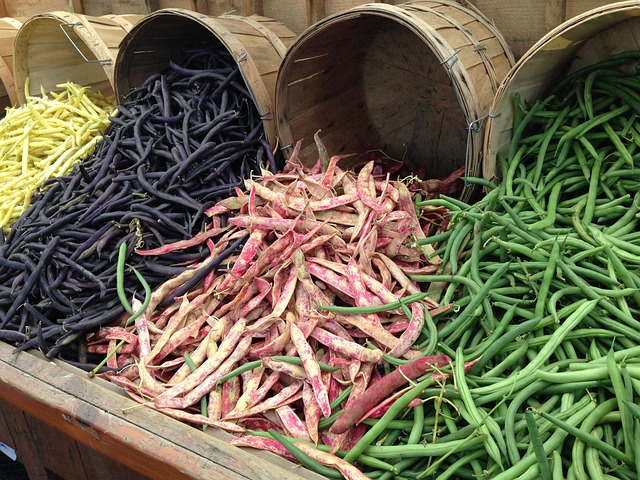
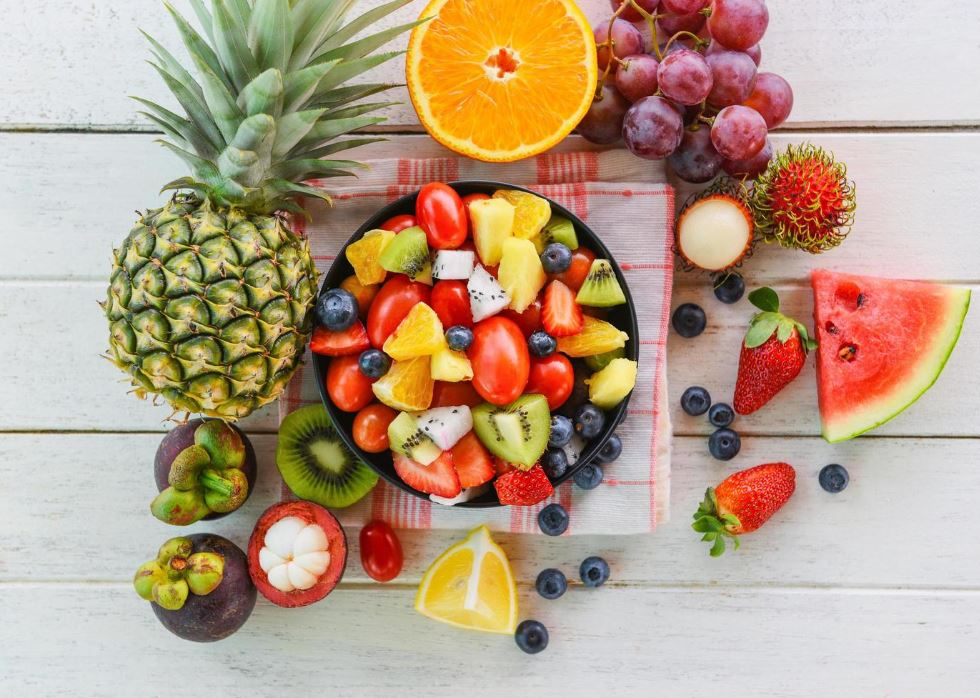
Fruits and vegetables 🥦🍎
🔹 Different colors provide different antioxidants and vitamins
🔹 Contain fiber, which supports healthy digestion
🔹 It is better to eat whole fruits than drink fruit juices (more fiber, less sugar)
Protein from healthy sources 🍳🥜
🔹 Fish, eggs, poultry, legumes, tofu, nuts, seeds
🔹 Necessary for muscle mass, immune system and hormones
🔹 Plant proteins (legumes, quinoa) are a great alternative to meat
Healthy fats 🥑🥜
🔹 Avocado, olive oil, nuts, seeds, oily fish
🔹 Contain omega-3 and omega-6 fatty acids
🔹 Support heart and brain health
Dairy products (according to (if needed) 🥛
🔹 Natural yogurt, kefir, cottage cheese, cheeses with less salt
🔹 Source of calcium, probiotics and protein
🔹 Can be replaced with plant-based alternatives (almond, oat milk)
Enough fluids 💧
🔹 The best choice is water
🔹 Herbal teas, homemade lemonades without sugar
🔹 Avoiding sweetened drinks and alcohol
🚫 What to reduce or avoid?
❌ Industrially processed products (fast food, canned food with many additives)
❌ Excessive sugar consumption (carbonated drinks, sweets, white bread)
❌ Trans fats (fried foods, margarine, processed desserts)
❌ Too much salt (processed foods, chips, instant soups)
🍽 How to switch to a wholesome diet?
✔ Replace white grains with whole grains (white bread → whole grain bread, white rice → brown rice).
✔ Enjoy more fresh fruits and vegetables at every meal.
✔ Cook at home and use natural ingredients.
✔ Check the composition of food and choose products without artificial additives.
✔ Drink water instead of sugary drinks.
✔ Don’t worry about perfection – small steps are enough to start changes!
🎯 Why choose a whole food diet?
✅ More energy and better well-being
✅ Better digestion and balanced blood sugar
✅ Lower risk of heart disease, diabetes and obesity
✅ Stronger immune system
✅ Better sleep quality and less stress