Foods that help with constipation

22.10.2025

Constipation is a common digestive problem that can be effectively alleviated or prevented with proper nutrition.
Fiber plays a key role in this, increasing the volume of stool and accelerating its movement through the digestive tract.
In addition to fiber, hydration and healthy fats are also important.
Foods rich in fiber
Fiber is divided into soluble and insoluble. Both types are important for healthy digestion.
- Soluble fiber: Absorbs water and forms a gel-like substance that softens stool and allows for easier passage.
- Oatmeal and oatmeal: An excellent source of soluble fiber, which can also help regulate cholesterol.
- Apples (with peel): Contain pectin, a type of soluble fiber.
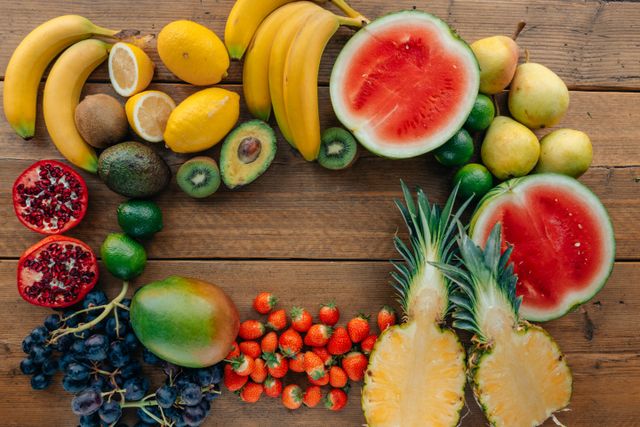
- Pears (with peel): Also rich in soluble fiber.
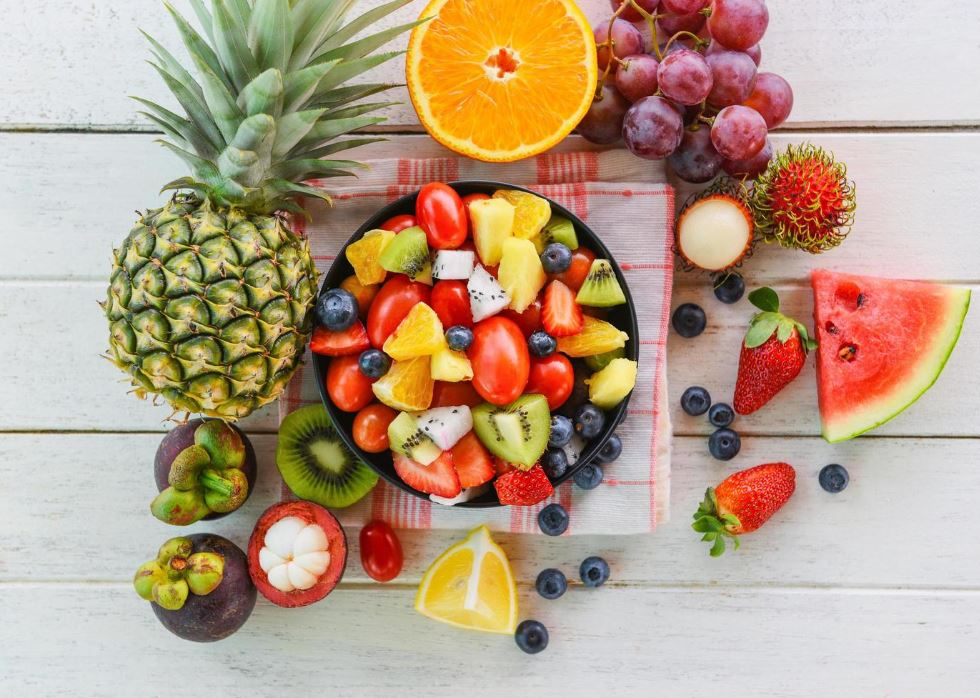
- Berries: Raspberries, blueberries, blackberries – full of fiber and antioxidants.
- Citrus fruits: Oranges, grapefruits, lemons – contain soluble fiber and lots of vitamin C.
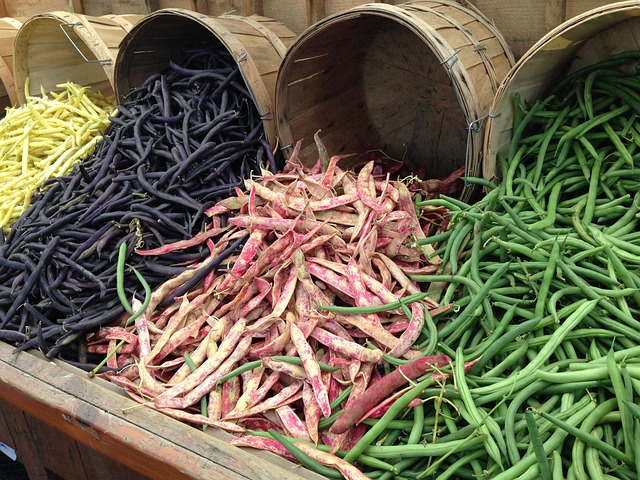
- Legumes: Beans (white, black, red), lentils, chickpeas – extremely rich in fiber and protein.
- Carrots: A good source of fiber and vitamins.
- Nuts: Walnuts, almonds (in moderation).
- Seeds: Flaxseed, chia seeds (very rich in soluble fiber – be sure to soak them to form a gel).
- Insoluble fiber: Adds bulk to stool and speeds up its movement through the intestines.
- Whole grains: Whole grain bread, pasta, brown rice.
- Green leafy vegetables: Spinach, kale, Swiss chard, broccoli, cabbage.
- Potatoes (with skin): A good source of insoluble fiber.
- Bran: Wheat bran is known for its high content of insoluble fiber.
- Whole grains: Quinoa, millet, buckwheat.
Foods with a laxative effect
Some foods have a mild natural laxative effect, which can be helpful.
- Prunes: Known for their mild laxative effect due to their high fiber and sorbitol (a sugar alcohol that acts as an osmotic laxative).
- Dates: Rich in fiber and natural sugars.
- Dried apricots and figs: Also a good source of fiber and sugar.
Hydration: Water is key!
No matter how much fiber you consume, without enough water, it won’t be able to do its job. Fiber needs water to swell and soften your stool.
- Drink at least 8 glasses of water a day, more if you are physically active or it is hot outside.
- Herbal teas and soups also contribute to hydration.
Healthy Fats
Small amounts of healthy fats can help lubricate your intestines and make it easier to pass stool.
- Olive oil: Add it to salads or use in cooking.
- Avocado: A source of healthy fats and fiber.
- Nuts and seeds: In addition to fiber, they also contain healthy fats.
Tips for eating foods that help with constipation:
- Gradually increase your fiber intake: If you are not used to high fiber intake, introduce it gradually to help your body adjust and prevent digestive upset (bloating, gas).
- Don’t forget to drink water: Always drink plenty of water when increasing your fiber intake.
- Regular physical activity: Exercise promotes bowel movements.
- Listen to your body: Everyone responds differently to certain foods. Observe which foods help you the most.
- Avoid foods that cause constipation: Refined foods, processed foods, low-fiber foods (e.g., white bread, fast food), excessive dairy consumption in some people.
If constipation persists despite dietary and lifestyle changes, consult a doctor. There may be an underlying cause that requires medical attention.