
Beneficial bacteria for the gut

17.05.2026
What is the gut microbiome?
• The complex community of billions of microorganisms (bacteria, viruses, fungi) that reside in your gut.
• Often called the “second brain” or “forgotten organ” because of its key role in health.
• In a healthy gut flora, there are 85% beneficial and 15% harmful bacteria – balance is important!
Why are beneficial bacteria so important?
• Improve digestion: They help break down food and absorb nutrients.
• Strengthen the immune system: More than 80% of the immune system is located in the gut. Beneficial bacteria stimulate the formation of antibodies and reduce the risk of infections.
• Vitamin production: They participate in the synthesis of certain vitamins (e.g. B and K) and amino acids.
• Protection against pathogens: Inhibits the growth and reproduction of harmful bacteria and fungi (e.g. Candida).
• Influence on mood: Gut-brain connection (gut-brain axis) – affects the production of neurotransmitters such as serotonin and dopamine, which regulate mood.
• Reduce inflammation: Helps regulate inflammatory processes in the body.
The most common beneficial bacteria (probiotics):
• Lactobacillus (Lactobacilli): Often found in the small intestine. They help digest lactose and are beneficial for digestive problems such as diarrhea (e.g. Lactobacillus acidophilus, Lactobacillus rhamnosus, Lactobacillus plantarum).
• Bifidobacterium (Bifidobacteria): Mainly present in the large intestine. They produce short-chain fatty acids, which are a source of energy for intestinal cells and strengthen the intestinal barrier (e.g. Bifidobacterium bifidum, Bifidobacterium lactis).
• Saccharomyces boulardii: A special type of yeast that helps restore the balance of the intestinal microbiota, especially after infections or taking antibiotics.
How can we support beneficial bacteria in the gut?
With food (Sources of probiotics):
• Fermented dairy products:
○ Kefir: A very rich source, containing between 10 and 34 different types of probiotics.
○ Yogurt: Choose probiotic yogurts with live cultures.
○ Mature cheeses: Parmesan, Gruyere, Cheddar.
• Fermented vegetables:
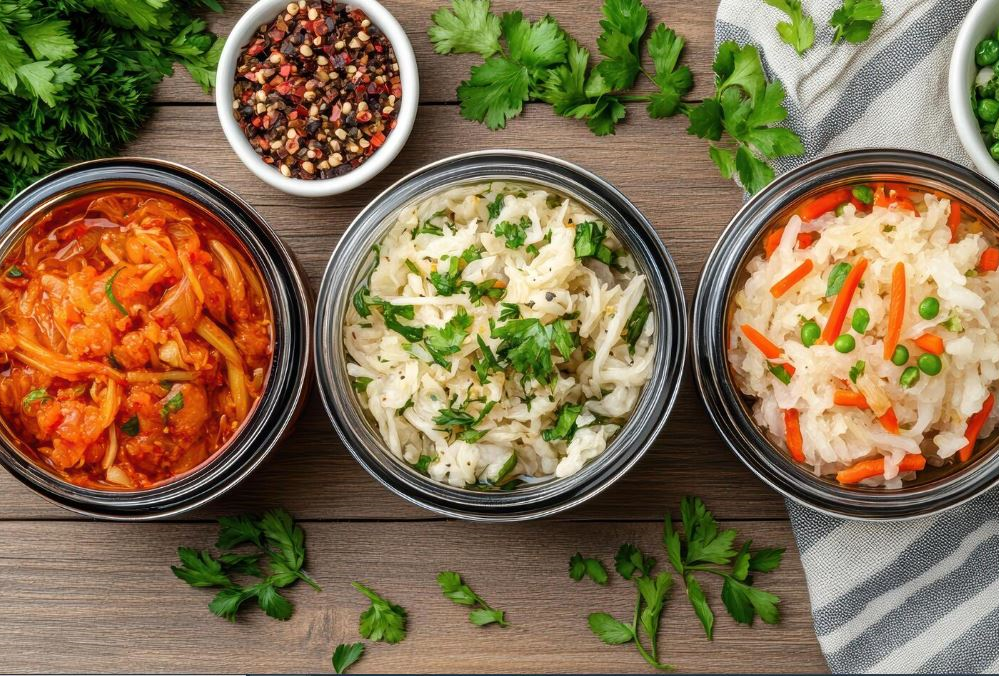
○ Sauerkraut and turnips: An excellent source of Lactobacillus bacteria.
○ Kimchi: A traditional Korean dish made from fermented vegetables.
○ Pickles (naturally fermented).
• Fermented soy products:
○ Miso: A Japanese seasoning made from fermented soybeans.
○ Tempeh: Fermented soybeans, rich in protein and probiotics.
○ Natto: A traditional Japanese food made from fermented soybeans.
• Fermented beverages:
○ Kombucha: A fermented tea, rich in probiotics and enzymes.
○ Apple cider vinegar: Unpasteurized, organic.
With prebiotics (Food for probiotics):
Prebiotics are indigestible fibers that serve as food for beneficial bacteria and promote their growth. They can be found in:
• Garlic, onions, leeks
• Bananas
• Chicory root, dandelion
• Oatmeal
• Legumes (beans, lentils)
• Whole grains
With probiotic supplements:
• They are recommended when taking antibiotics (at least 2-3 hours apart from the antibiotic), as antibiotics kill both bad and good bacteria.
• They can also be useful when traveling to prevent traveler’s diarrhea.
• Choose supplements with different strains and clinically proven effectiveness. Consult your pharmacist or doctor.
Factors that harm gut bacteria:
• Stress: Increases cortisol levels, which reduces beneficial bacteria.
• Unhealthy diet: Lots of processed foods, sugar, unhealthy fats.
• Antibiotics: Kill both bad and good bacteria.
• Illnesses and certain medications: Can disrupt the balance.
• Lack of sleep.
• Excessive alcohol consumption.
Tip: A varied diet rich in fiber and a healthy lifestyle are key to a healthy gut. You can also take probiotic supplements if needed.
💖 💖 💖 💖 💖 💖
You may like these too

Pancakes
What are pancakes? Pancakes are a thin, baked dish made from a liquid batter, usually made from flou
03.09.2026
Eating Right at Work
Eating right at work is key to overcoming those “office biological traps” we talked abou
03.09.2026
Foods that should not be eaten after their expiration date
When it comes to food, it is crucial to distinguish between two labels: “Best before” (q
03.09.2026
Which grains should be soaked before cooking
Soaking foods is not just an old cooking trick from our grandmothers, but a scientifically supported
01.09.2026