Detoxification

13.01.2026

Detoxification is the process of removing toxins and harmful substances that accumulate due to diet, environment, and metabolic processes.
Although the body naturally eliminates toxins through organs such as the liver, kidneys, intestines, lungs, and skin, we can support this process with certain habits and dietary choices.
Detoxifying the body does not have to be a complicated process.
By following a healthy lifestyle, balanced diet, and regular physical activity, we can naturally support the body’s detoxification processes.
It is important to avoid extreme detox diets and instead focus on sustainable and healthy habits.
Natural detoxification processes
The body has several systems for natural detoxification:
– Liver: Filters the blood and metabolizes toxic substances, which are then excreted through bile and kidneys.
– Kidneys: Filters the blood and removes waste products and excess fluids through urine.
– Intestines: Removes digestive waste through stool.
– Lungs: Excrete carbon dioxide and other volatile toxins.
– Skin: Eliminates toxins through sweat.
Strategies to Support Natural Detoxification
Hydration
– Drink plenty of water to support kidney function and eliminate toxins through urine.
– Drinking herbal teas such as green tea, ginger tea, and dandelion tea can further support detoxification.
Nutrition
– Fresh fruits and vegetables: Rich in vitamins, minerals, and antioxidants that help protect and repair cells.
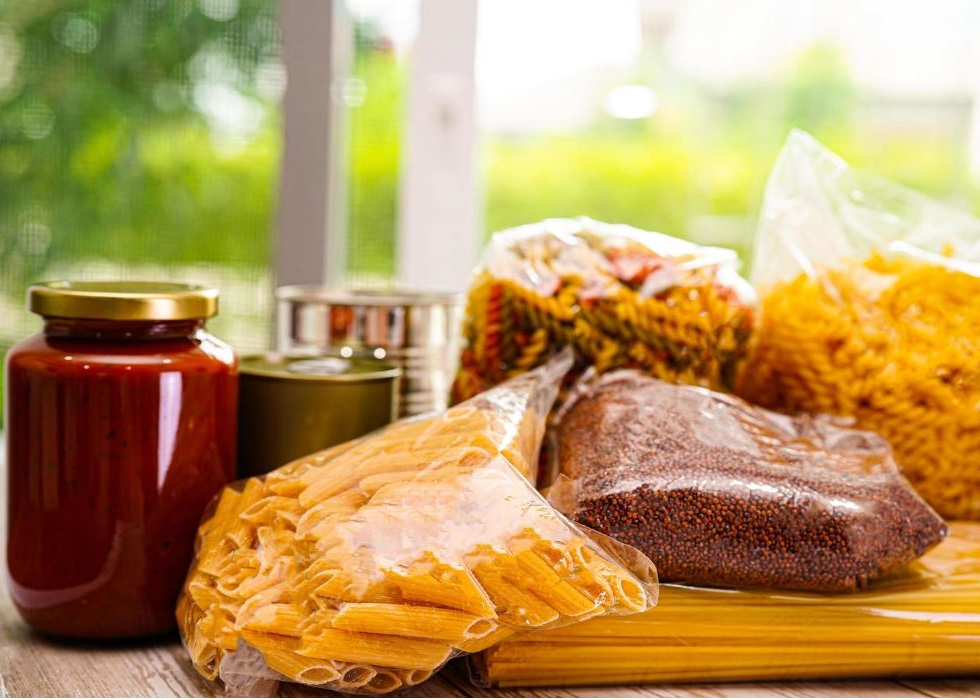
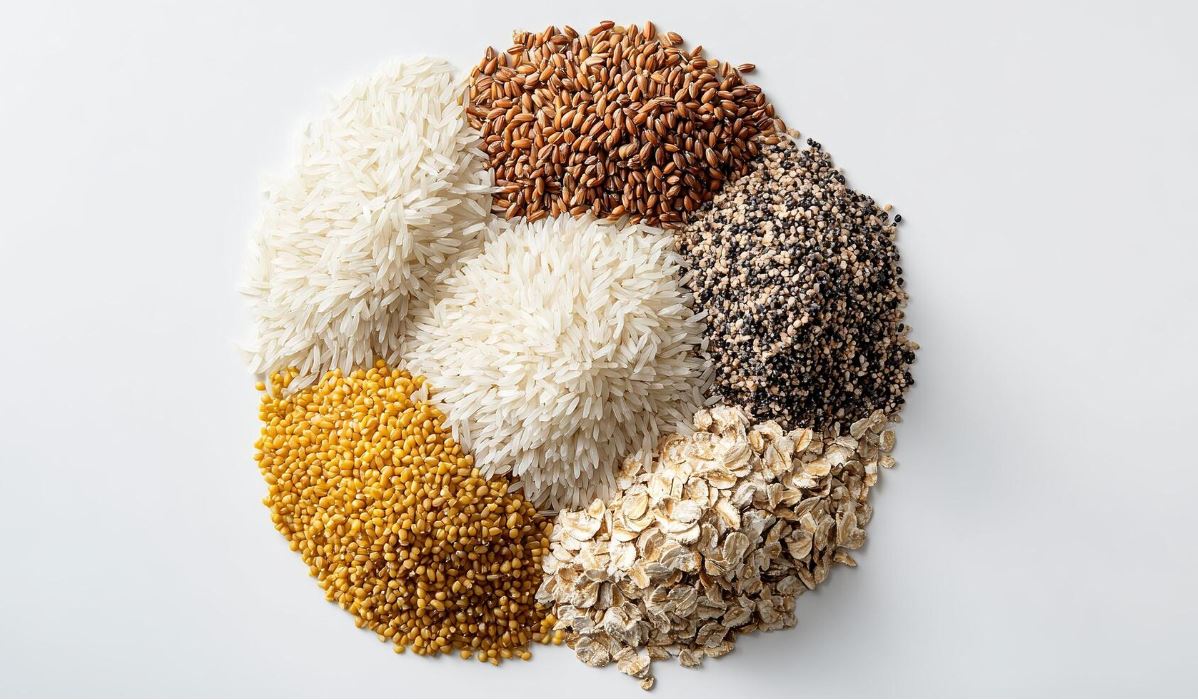
– Fiber: Helps maintain a healthy digestive tract and regular bowel movements. Good sources of fiber include whole grains, legumes, seeds, and nuts.
– Healthy fats: Omega-3 fatty acids, found in fish, flaxseed, and chia seeds, support cell health and anti-inflammatory processes.
– Protein: Necessary for tissue repair and the function of detoxification enzymes. Good sources include lean meats, fish, eggs, legumes, and nuts.
Avoiding toxins
– Processed foods: Avoid processed foods that contain preservatives, colorings, and artificial additives.
– Alcohol and caffeine: Limit your alcohol and caffeine intake, as they can put a strain on your liver and kidneys.
– Environmental toxins: Reduce your exposure to pollutants, such as chemicals in cleaning products, cosmetics, and plastics.
Regular physical activity
– Physical activity stimulates circulation, the lymphatic system, and sweating, which helps eliminate toxins.
– Regular exercise improves metabolism and supports a healthy weight.
Liver support
– Liver foods: Eating foods like garlic, onions, turmeric, broccoli, green tea, and grapefruit can support liver function.
– Supplements: Talk to your doctor about taking supplements like milk thistle, curcumin, which can support liver health.
Stress Management
– Stress can negatively affect the functioning of the body’s systems. Relaxation techniques such as meditation, yoga, and deep breathing can help reduce stress.
Good Sleep
– Quality sleep is essential for the body to repair itself and detox effectively. Maintain a regular sleep schedule and a relaxing environment for sleeping.