
Which grains should be soaked before cooking

01.09.2026
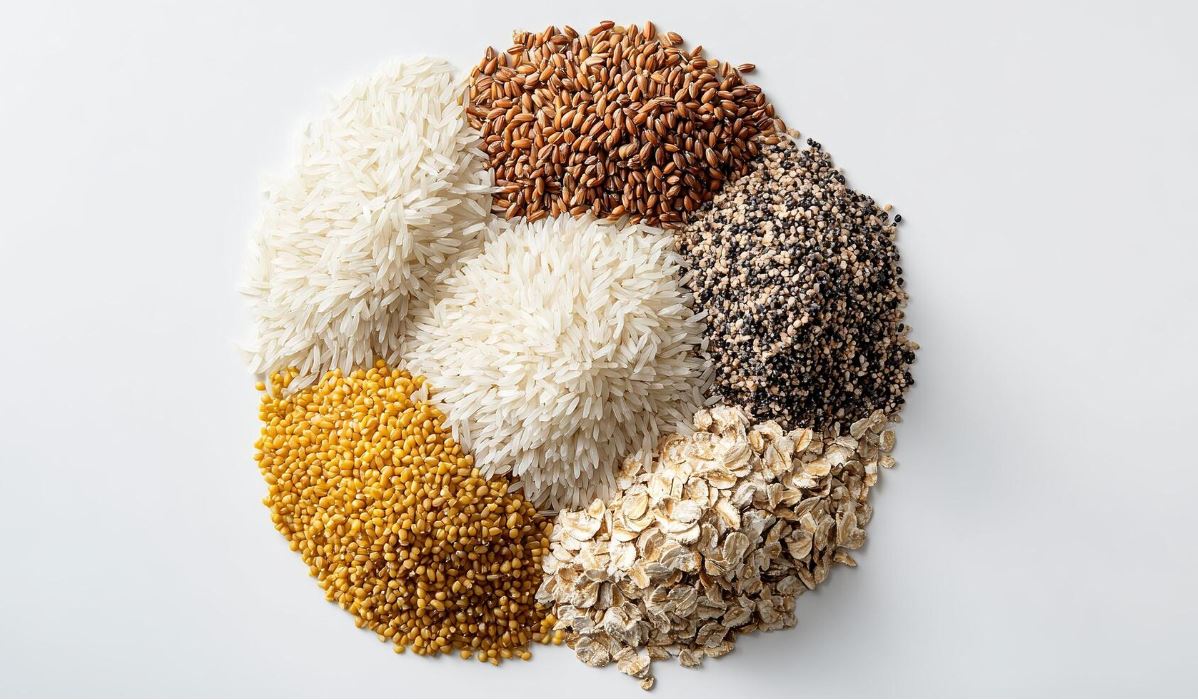
Soaking foods is not just an old cooking trick from our grandmothers, but a scientifically supported method for better digestion and increased nutritional value.
The main reason for soaking is to neutralize phytic acid and lectins, which act as “antinutrients” in the body – they bind to minerals (calcium, magnesium, iron) and prevent their absorption.
Legumes (Beans, chickpeas, lentils)
This is the most important group. Soaking breaks down complex sugars (oligosaccharides) that cause bloating and gas.
- Beans and chickpeas: At least 8 to 12 hours (preferably overnight).
- Whole lentils: 2 to 4 hours.
- Red lentils: Not necessary, but 20 minutes of soaking improves the texture.
Nuts and seeds
Nuts are naturally “dormant” (in a dormant state). Soaking triggers a germination process that neutralizes enzyme inhibitors, making them easier to digest.
- Almonds: 8 to 12 hours (the shells are also easier to remove).
- Walnuts and cashews: 2 to 4 hours.
- Pumpkin and sunflower seeds: 4 to 6 hours.
- Note: Soaked nuts that you won’t use right away should be refrigerated or dried.
Whole grains
Grains contain the most phytic acid, which can irritate the gut.
- Brown rice: At least 8 hours. Interestingly, soaking rice also helps remove any traces of arsenic.
- Quinoa: 15 to 30 minutes is enough to wash away saponins (bitter substances on the surface).
- Oats and spelt: 8 hours (overnight).
Dried Fruit
Although they can be eaten dry, soaking (15-30 minutes) rehydrates the fruit, making the sugars easier to digest and easier on the stomach. This is especially true for prunes and figs.
Recommended Soaking Times Table
Food Soaking Time Benefit
Chickpeas/Beans 8-12 hours Less bloating, faster cooking.
Almonds 12 hours Better absorption of magnesium and vitamin E.
Quinoa 15 min Removal of bitterness (saponins).
Brown rice 8 hours Neutralization of phytic acid and cleansing.
Chia seeds 20 min Activation of mucus for better digestion and hydration.
Key tips for proper soaking:
Always discard the water: Never cook foods in the water they were soaked in, as it contains dissolved substances that you want to remove.
Salt or vinegar: Adding a pinch of salt or a tablespoon of apple cider vinegar to the soaking time of the beans will help break down the phytic acid even faster.
Temperature: It is best to soak at room temperature. If the room is very warm, place the container in the refrigerator to prevent fermentation.
💖 💖 💖 💖 💖 💖
You may like these too

Honey
For millennia, honey has been prized as a natural wonder, often referred to simply as “liquid
15.10.2026
Millet
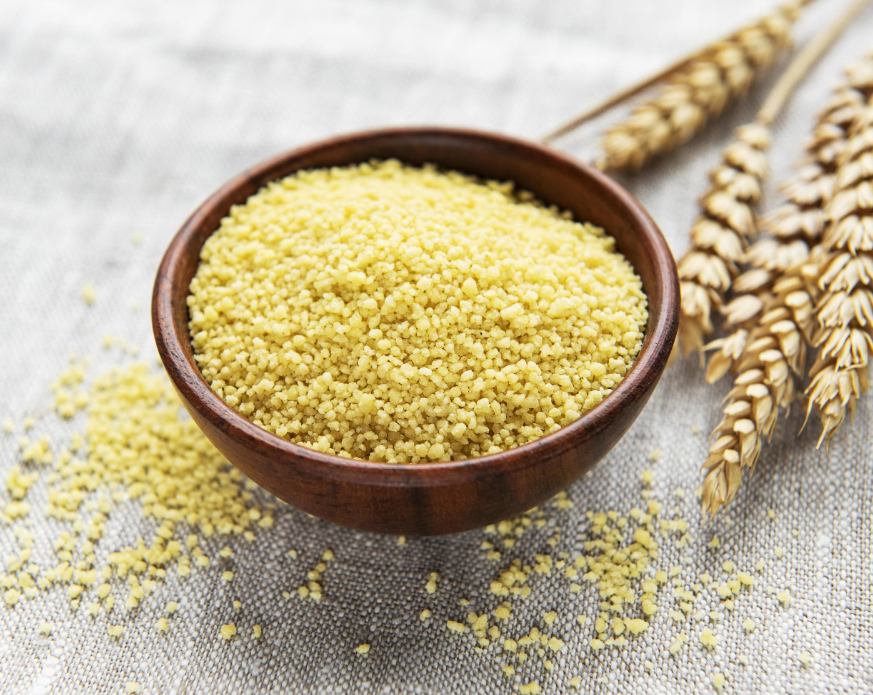
Millet, derived from millet, is an ancient grain that has recently gained popularity due to its many
14.10.2026
Persimmon
Persimmon, often called “food of the gods” (from the botanical name Diospyros kaki), is
12.10.2026
How to get rid of visceral fat?
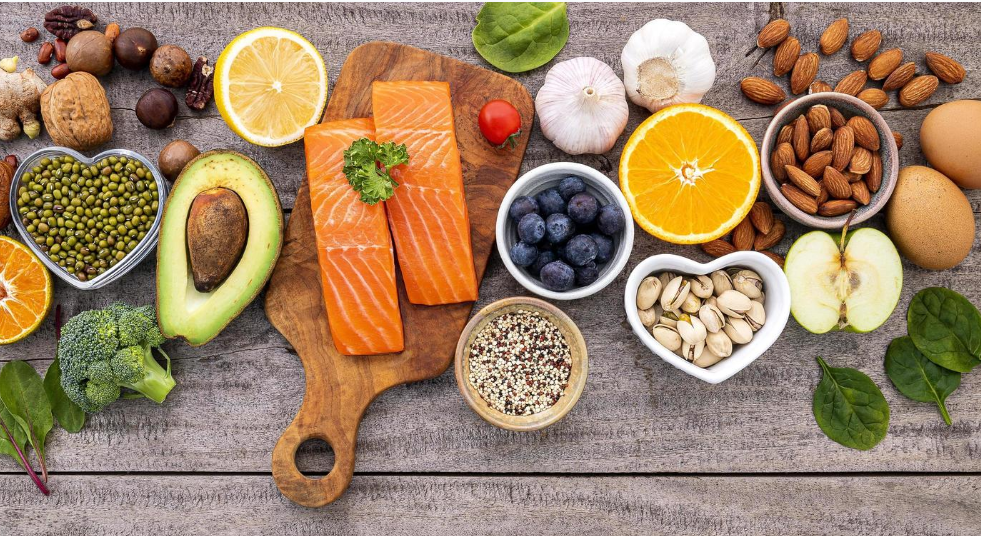
Getting rid of visceral fat (the fat around your internal organs) is crucial, as this type of fat is
12.10.2026