
Foods that should not be eaten after their expiration date

03.09.2026
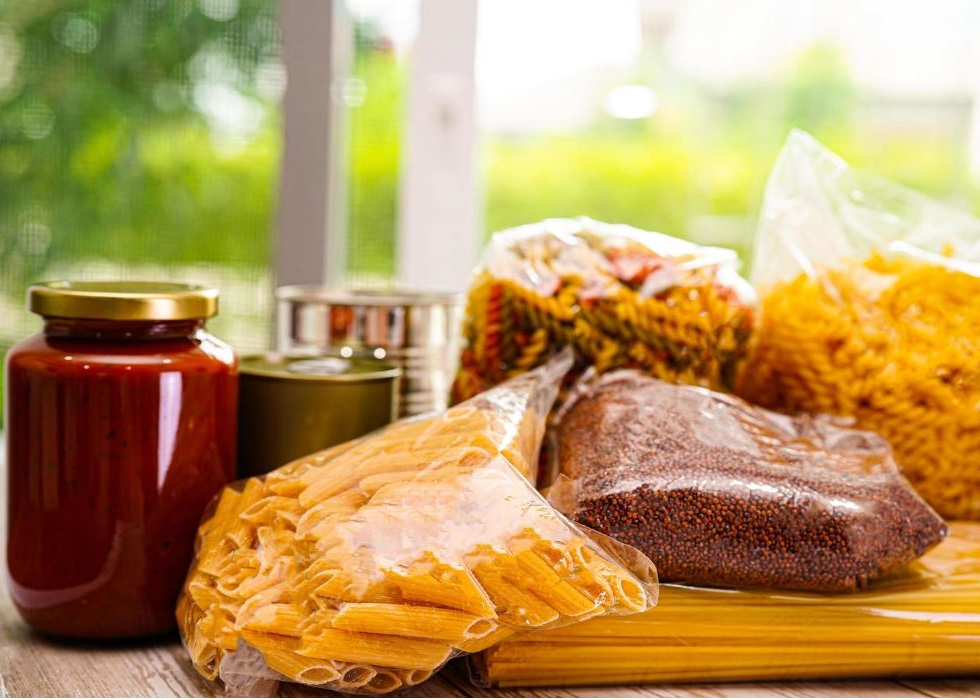
When it comes to food, it is crucial to distinguish between two labels: “Best before” (quality) and “Use by” (safety).
When it comes to the latter, the risk is simply not worth your health.
Food groups that you should be extremely careful with after their expiration date.
Fresh meat and meat products
Meat is an ideal breeding ground for bacteria such as Salmonella and E. coli.
- Ground meat: Due to its larger surface area, it spoils faster than whole cuts of meat. If it has expired, throw it away, even if it does not smell strange.
- Fresh poultry: Chicken and turkey are at high risk for bacterial infections.
- Deli meats: Certain sausages and cold cuts can contain Listeria bacteria after their expiration date, which can survive even in the refrigerator.
Dairy and soft cheeses
While hard cheeses (e.g. Parmesan) last longer, soft cheeses are critical:
- Fresh milk and cream: When the acidity changes, they become a safe haven for microbes.
- Soft cheeses: Cottage cheese, mozzarella, and brie contain a lot of moisture. If mold appears on them, you shouldn’t just cut it off (as with hard cheeses), as the invisible roots of mold have probably already permeated the entire product.
Fish and seafood
This is probably the most dangerous category. Seafood spoils faster than any other food. Fish poisoning can be extremely serious, so don’t compromise here – if it’s past its expiration date, throw it in the trash.
Freshly prepared salads and sprouts
- Packaged salads: The moist environment in plastic bags encourages bacterial growth. If the lettuce is wilted or slimy, don’t eat it.
- Sprouts: Because they grow in warm, moist environments, they are often linked to food poisoning outbreaks.
Quick Guide: How to Tell the Labels Apart?
Label | Meaning | What to Do After the Date? |
Use By | Safety Warning. | Throw away. Food is no longer safe to eat after this date. |
Best Before | Date Quality (taste, texture). | Check. If the food looks, smells, and tastes normal, it is probably still safe to eat. |
Golden Rule: When in doubt, throw away the food. Your digestive system will thank you.
You may like these too
Honey
For millennia, honey has been prized as a natural wonder, often referred to simply as “liquid
15.10.2026
Millet
Millet, derived from millet, is an ancient grain that has recently gained popularity due to its many
14.10.2026
Persimmon
Persimmon, often called “food of the gods” (from the botanical name Diospyros kaki), is
12.10.2026
How to get rid of visceral fat?
Getting rid of visceral fat (the fat around your internal organs) is crucial, as this type of fat is
12.10.2026