
How to get rid of visceral fat?

12.10.2026
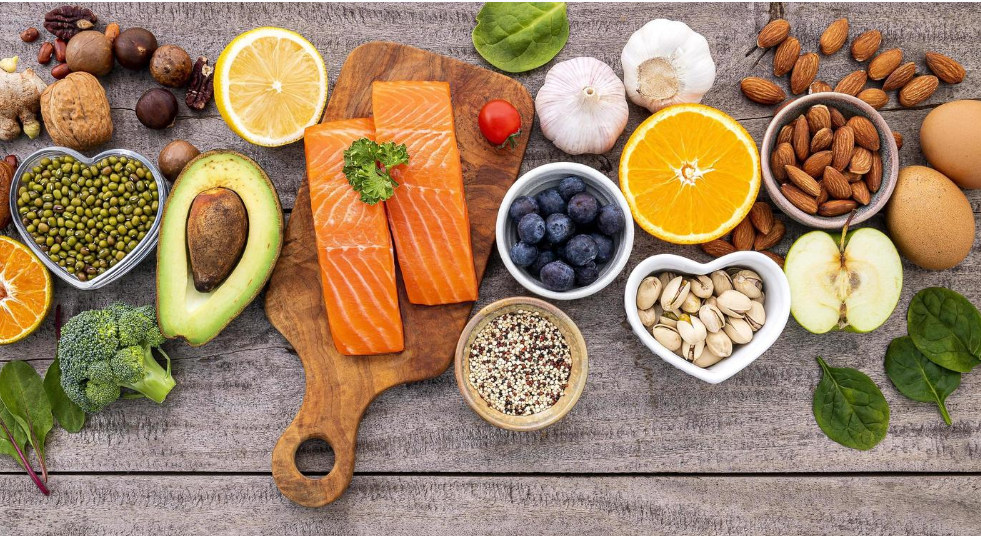
Getting rid of visceral fat (the fat around your internal organs) is crucial, as this type of fat is associated with a higher risk of heart disease, type 2 diabetes, and other health problems.
🍎 Diet: The main key
Diet is the most important factor. Focus on reducing inflammation and regulating insulin.
• Reduce your intake of sugar and refined carbohydrates: These are the biggest culprits. Eliminate sugary drinks, pastries, white bread, and processed snacks. These trigger high insulin spikes, which encourages the storage of visceral fat.
• Increase your protein intake: Protein helps maintain muscle mass, increases feelings of fullness, and promotes energy expenditure (thermogenic effect).
Sources: Lean meats, fish, eggs, legumes, Greek yogurt, tofu.
• Include healthy fats: Healthy fats, such as monounsaturated and polyunsaturated, are essential and contribute to satiety.
Sources: Avocados, nuts, seeds, olive oil, oily fish (salmon).
• Increase fiber intake (especially soluble): Soluble fiber slows down digestion and helps reduce fat absorption, helping to regulate blood sugar.
Sources: Oats, barley, legumes, Brussels sprouts, apples.
• Avoid trans fats and limit alcohol: Alcohol, especially beer, can be a major contributor to visceral fat. If you drink, limit it to moderate amounts.
🏋️ Physical activity: Exercise is essential
A combination is needed to effectively burn visceral fat.
• Regular aerobic exercise (Cardio): Aim for at least 150 minutes of moderate or 75 minutes of vigorous aerobic exercise per week.
Examples: Brisk walking, running, cycling, swimming.
• High-intensity interval training (HIIT): Short, intense bursts of exercise followed by short periods of rest are very effective at burning fat and improving insulin sensitivity.
• Strength training (Resistance training): Weight training or bodyweight training increases muscle mass, which speeds up your metabolism. More muscle means your body burns more calories, even at rest.
🧘 Stress management and sleep
Lack of sleep and chronic stress directly promote the storage of visceral fat.
• Stress management: When you’re stressed, your body releases cortisol. High levels of cortisol promote the storage of fat around your organs.
Try: Meditation, yoga, breathing techniques, spending time in nature.
• Quality sleep: Try to get 7 to 9 hours of sleep a night. Studies have shown that lack of sleep increases the risk of visceral fat accumulation.
It is not possible to target fat burning. With proper diet and exercise, weight loss occurs throughout the body, with visceral fat usually melting first.
🌸 🌸 🌸 🌸 🌸 🌸
You may like these too

Honey
For millennia, honey has been prized as a natural wonder, often referred to simply as “liquid
15.10.2026
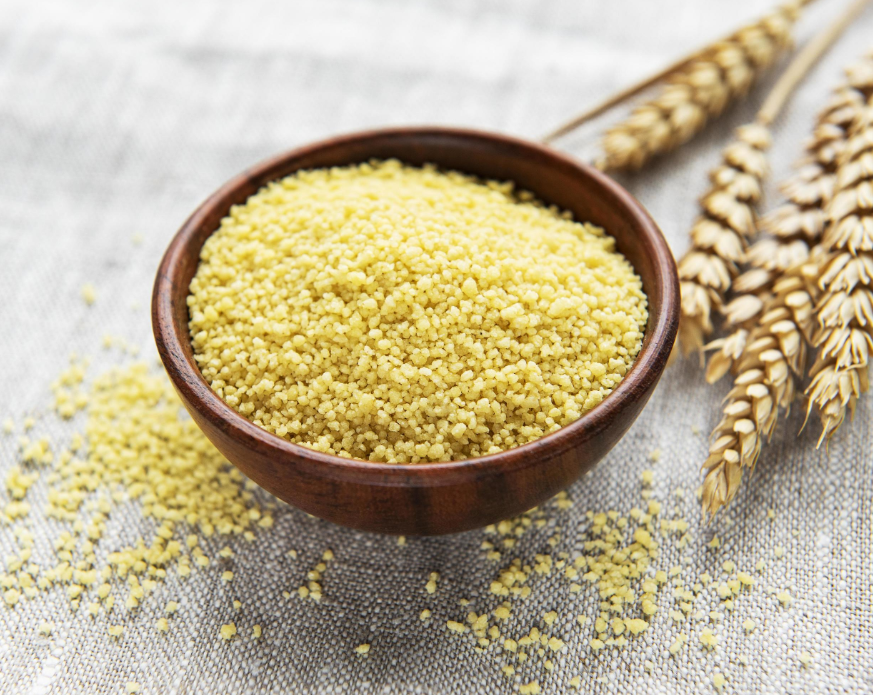
Millet
Millet, derived from millet, is an ancient grain that has recently gained popularity due to its many
14.10.2026
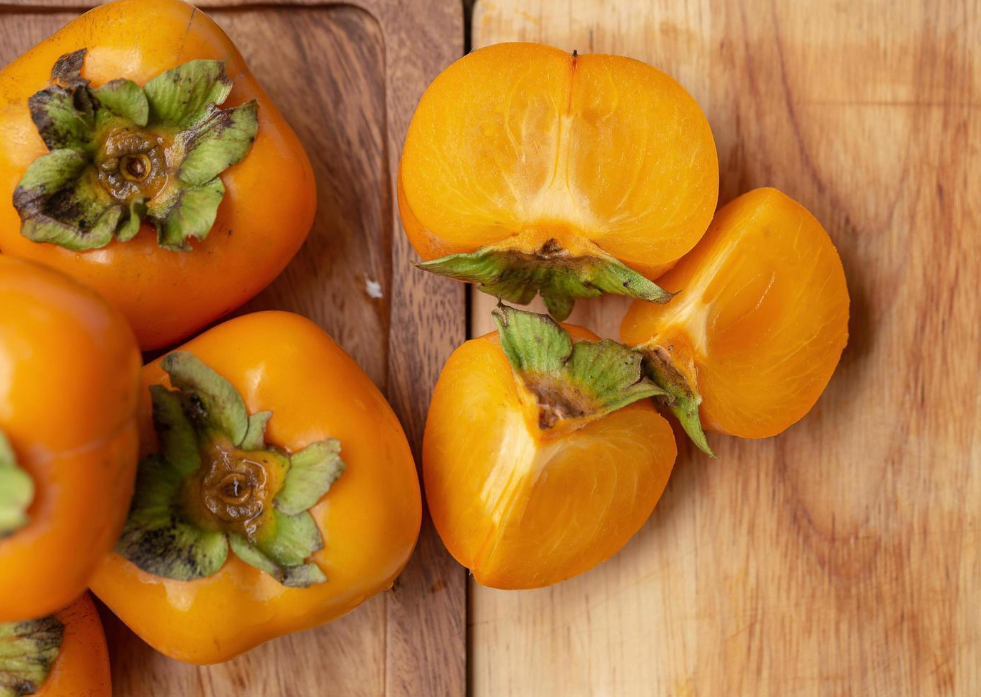
Persimmon
Persimmon, often called “food of the gods” (from the botanical name Diospyros kaki), is
12.10.2026
How to get rid of visceral fat?
Getting rid of visceral fat (the fat around your internal organs) is crucial, as this type of fat is
12.10.2026