
Nutrition during viruses

30.01.2025

Proper nutrition is an important factor in strengthening the immune system, especially during times when viruses are circulating. Proper nutrition can help reduce the risk of infections and speed up recovery if we get sick.
With proper nutrition and healthy habits, you will help your body better defend itself against viruses and recover faster from illness.
Increase your intake of nutrients to strengthen the immune system
- Vitamin C: Helps the immune system function. It is found in citrus fruits (oranges, lemons, grapefruits), berries, peppers, broccoli and kiwi.
- Vitamin D: Strengthens resistance to infections. It is obtained from sunlight, as well as from fish oil, eggs and dairy products.
- Zinc: Promotes cell regeneration and immune response. It is contained in nuts, seeds (pumpkin seeds), legumes, meat and seafood.
- Probiotics: Support the intestinal microbiota, which is key to a strong immune system. They are found in yogurt, kefir, sauerkraut and kimchi.
Eat a balanced and varied diet
- Protein: Needed for tissue repair and antibody production. Enjoy lean meats, fish, eggs, tofu, legumes and nuts.
- Healthy fats: Omega-3 fatty acids have anti-inflammatory effects. Include fish (salmon, sardines), flaxseed and nuts.
- Complex carbohydrates: Give energy and help maintain stable blood sugar levels. Choose whole grains, oatmeal, quinoa and brown rice.
- Vegetables and fruits: Contain antioxidants, vitamins and minerals that help protect cells.
Stay hydrated
Drink plenty of water to stay hydrated, as this helps the immune system function. Unsweetened herbal teas (such as ginger or chamomile tea) are also good.
Avoid junk food
- Excessive consumption of sugar, salt and processed foods weakens the immune system.
- Limit alcohol consumption, as it reduces immune response.
Observe food hygiene
- Prepare food in a safe way to prevent infections with pathogenic microorganisms.
- Eat freshly prepared foods and avoid raw or undercooked foods that could carry bacteria.
Consider special supplements, if necessary
If you are not getting enough nutrients from food, consider supplements such as:
- Vitamin C and D in the form of capsules or tablets.
- Zinc supplements.
- Fish oil or omega-3 capsules.
Maintain regular meals and a healthy lifestyle
- Eat at regular times and avoid skipping meals.
- Get enough sleep and avoid stress, as both factors affect the immune system.
You may like these too

Pancakes
What are pancakes? Pancakes are a thin, baked dish made from a liquid batter, usually made from flou
03.09.2026

Eating Right at Work
Eating right at work is key to overcoming those “office biological traps” we talked abou
03.09.2026
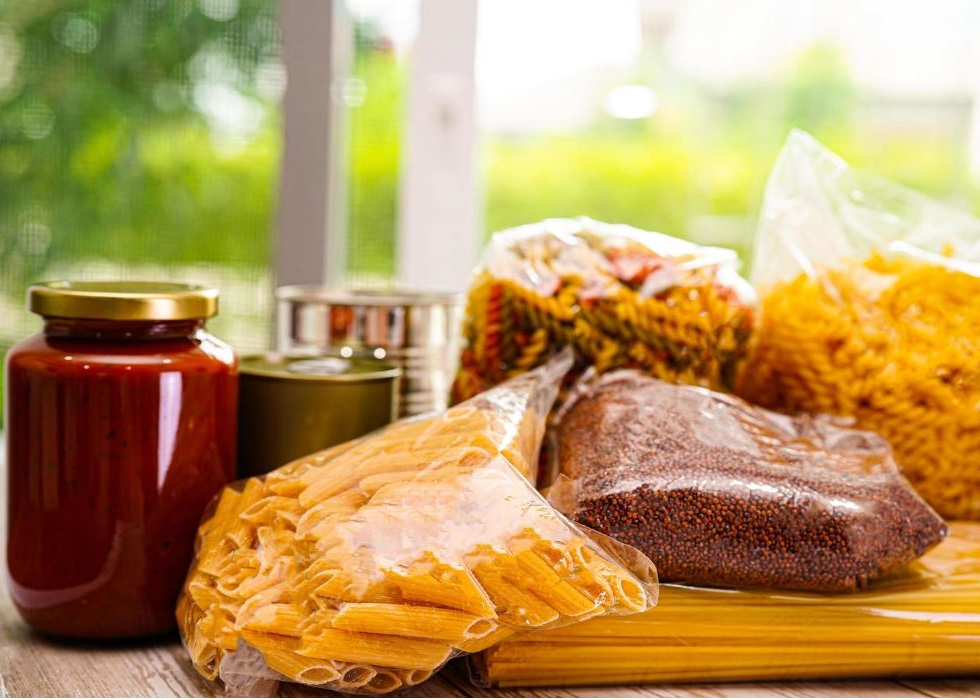
Foods that should not be eaten after their expiration date
When it comes to food, it is crucial to distinguish between two labels: “Best before” (q
03.09.2026
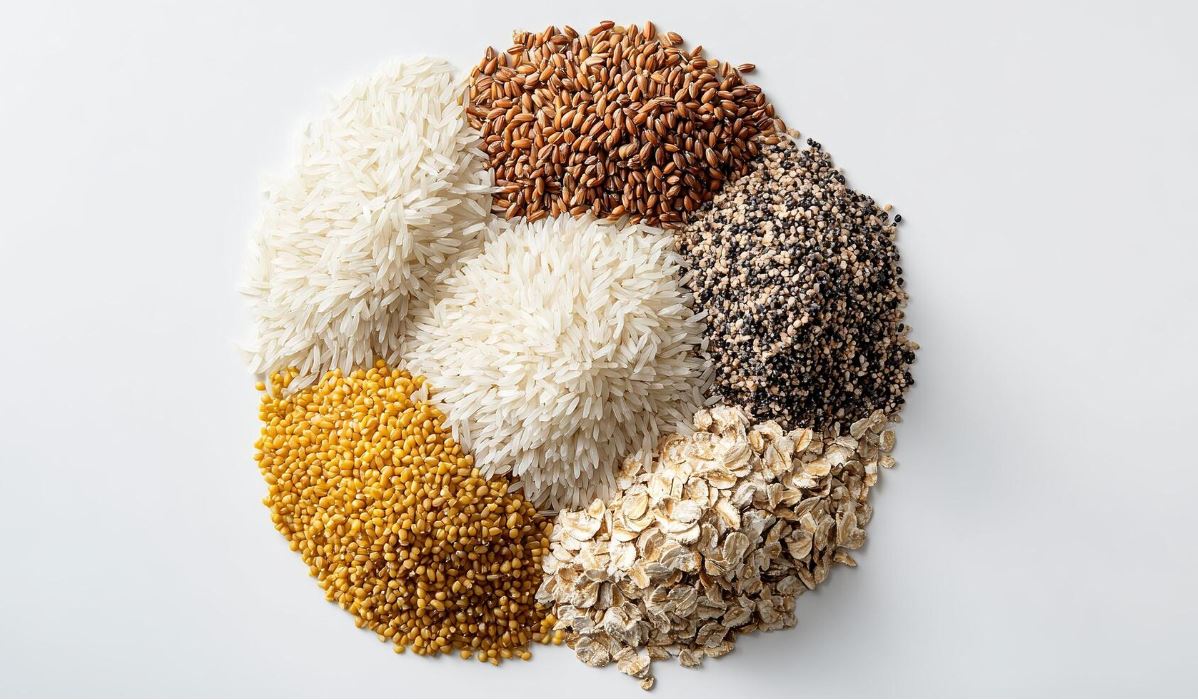
Which grains should be soaked before cooking
Soaking foods is not just an old cooking trick from our grandmothers, but a scientifically supported
01.09.2026