
Foods to Include in Your Daily Diet

12.11.2026
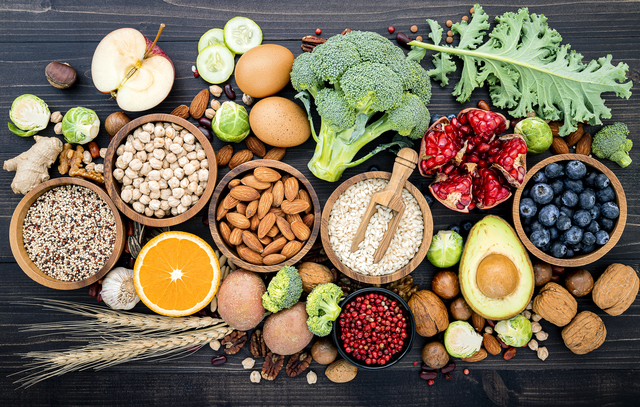
Food is fuel for our body. By choosing high-quality foods, we can do a great deal every day for our health, well-being, energy, and vitality.
It is not just about how much we eat, but primarily about what we choose and how varied our diet is.
No single food is a “miracle”; the secret to good health lies in a varied, balanced diet that is as natural as possible.
- VEGETABLES – THE FOUNDATION OF A HEALTHY DIET
Which foods should you choose?
- Broccoli, cauliflower, and cabbage.
- Carrots, bell peppers, and tomatoes.
- Spinach, Swiss chard, and kale.
- Zucchini, cucumbers, and lettuce.
- Beetroot and onions.
Importance and benefits:
- They contain vitamins, minerals, and fiber.
- They support normal digestive function.
- They contribute to the normal functioning of the immune system.
- They contain antioxidants that help protect cells.
Tip: Consume several different types of vegetables every day. Choose a variety of colors to ensure a wider range of nutrients.
- FRUIT – A NATURAL SOURCE OF VITAMINS
Which foods should you choose?
- Apples and pears.
- Blueberries, raspberries, and strawberries.
- Oranges, tangerines, and lemons.
- Kiwis, bananas, and grapes.
- Plums, apricots, and peaches. Importance and benefits:
- Provides vitamins, minerals, and fiber.
- Contributes to better digestion.
- Contains various protective plant-based substances.
- Helps add variety to your daily diet.
Tip: Aim for about two servings of fruit per day. Choose whole fruit over fruit juices.
- WHOLE GRAINS – A SOURCE OF ENERGY
Which foods to choose?
- Rolled oats.
- Buckwheat and millet.
- Whole-grain bread.
- Brown rice.
- Barley and quinoa.
Importance and benefits:
- Provide energy for daily activities.
- Contain dietary fiber.
- Help maintain a feeling of fullness.
- Support normal digestive function.
Tip: Replace white bread, pasta, and rice with whole-grain versions as often as possible.
- NUTS AND SEEDS – SMALL FOODS, BIG BENEFITS
Which foods to choose?
- Walnuts, almonds, and hazelnuts.
- Pumpkin and sunflower seeds.
- Flax and chia seeds.
- Unsalted cashews.
Importance and benefits:
- Contain healthy unsaturated fats.
- Are a source of vitamin E and minerals.
- Contain fiber and plant-based proteins.
- Walnuts and flax seeds also contain plant-based omega-3 fatty acids.
Tip: Enjoy a small handful of unsalted nuts or a spoonful of seeds every day. You can add them to yogurt, salads, or oatmeal.
- FISH – AN IMPORTANT SOURCE OF OMEGA-3 FATTY ACIDS
Which foods to choose?
- Salmon.
- Sardines.
- Mackerel.
- Trout.
- Herring.
Importance and benefits:
- They contain high-quality protein.
- Fatty fish are rich in omega-3 fatty acids.
- They contribute to normal heart function.
- They provide vitamin D and vitamin B12.
Tip: Include fish in your diet about twice a week, ensuring at least one portion consists of fatty fish.
- LEGUMES – AN EXCELLENT SOURCE OF PLANT-BASED PROTEIN
Which foods to choose?
- Lentils.
- Beans.
- Chickpeas.
- Peas.
- Soybeans.
Importance and benefits:
- They are rich in plant-based protein.
- They contain a high amount of fiber.
- They provide iron, magnesium, and other minerals.
- They help promote a feeling of fullness.
Tip: Include legumes in your diet several times a week. Use them to prepare soups, stews, spreads, and salads.
- FERMENTED FOODS – SUPPORT FOR GUT MICROBIOTA
Which foods to choose?
- Plain yogurt.
- Kefir.
- Sauerkraut.
- Fermented turnip.
- Kimchi. Importance and benefits:
- Yogurt and kefir containing live cultures provide beneficial microorganisms.
- They contribute to dietary diversity.
- Fermented vegetables can be a source of fiber and various microorganisms.
- Yogurt and kefir also provide protein and calcium.
Tip: Choose plain, unsweetened products. You can also enjoy sauerkraut and fermented turnips as a side dish, if you like them.
- QUALITY FATS – AN ESSENTIAL PART OF THE DIET
Which foods should you choose?
- Extra virgin olive oil.
- Avocado.
- Walnuts.
- Almonds.
- Seeds.
Importance and benefits:
- They provide energy.
- They assist in the absorption of vitamins A, D, E, and K.
- Unsaturated fats are beneficial for heart health when they replace saturated fats.
Tip: Replace butter and other sources of saturated fats with olive oil, nuts, and seeds more often.
- WATER – THE MOST IMPORTANT BEVERAGE
Why is it important?
- It enables the body to function normally.
- It helps regulate body temperature.
- It is important for digestion and the transport of nutrients.
- It helps prevent dehydration.
Tip: Drink regularly throughout the day. Your needs depend on physical activity, temperature, diet, and your state of health. Make water your first choice.
Golden Tips for Healthy Eating
- Eat plenty of vegetables and fruit every day.
- Choose a wide variety of foods, opting for seasonal produce whenever possible.
- Prioritize home-cooked meals.
- Drink water instead of sugary beverages.
- Consume whole grains.
- Don’t forget about legumes.
- Include fish in your diet at least once or twice a week.
- Limit highly processed foods, sweets, and excessively salty foods.
- Eat slowly and pay attention to your body’s signals of fullness.
- Ensure you also get regular physical activity and sufficient sleep.
What should a healthy and balanced plate look like?
A simple rule for assembling your main meal:
- ½ of the plate: vegetables and salad.
- ¼ of the plate: protein-rich foods (fish, eggs, lean meat, legumes).
- ¼ of the plate: whole grains, potatoes, or other starchy foods.
- Addition: a small amount of high-quality fat, such as olive oil.
Our Greatest Secret to Health
Healthy eating does not mean deprivation, starvation, or boring meals. It means knowing how to choose foods that provide our bodies with everything they need.
You don’t need to have a perfect diet every single day.
What matters is what you do most of the time. Let your plates be colorful, your meals varied, and your ingredients as fresh as possible—and make eating an enjoyable part of your daily life.
Let’s remember: we don’t eat just to satisfy hunger, but also to provide our bodies with nutrients, energy, and the support needed for a long, high-quality life. ❤️
🌸 🌸 🌸 🌸 🌸 🌸
You may like these too
Foods to Include in Your Daily Diet
Food is fuel for our body. By choosing high-quality foods, we can do a great deal every day for our
12.11.2026
The Secret to a Healthy Lifestyle
A healthy lifestyle is not just a one-time decision; it is the way we care for our body, mind, and w
12.11.2026
Simple Ways to Reduce Calorie Intake
Many people believe that losing weight requires eating very little. In reality, what you eat is far
12.11.2026

Reading Food Labels
Reading Food Labels – How to Read Them Correctly and Why? Food labels are an important source of i
12.11.2026