Foundations for healthy digestion

18.01.2026

Healthy digestion is the foundation of overall health, as it affects the immune system, energy and mood.
Key foundations for healthy digestion that you can incorporate into your daily routine.
🍎 Foundations for healthy digestion
Fiber is key
Fiber is the most important ingredient for the digestive tract, as it acts as a “broom” and food for beneficial bacteria.
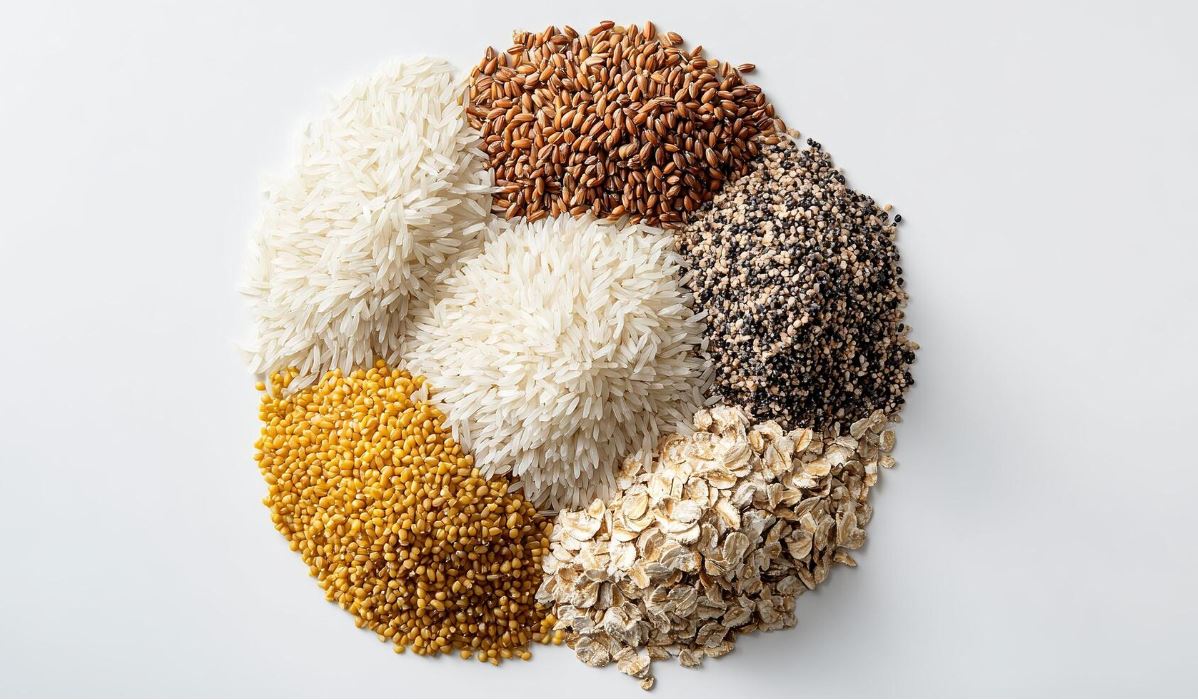
• Soluble fiber: Found in oats, barley, beans, apples and citrus fruits. It absorbs water, slows down digestion and helps regulate blood sugar.
• Insoluble fiber: Found in whole grains, nuts, seeds and vegetable/fruit skins. It adds bulk to stool and helps with regular bowel movements.
• Goal: The recommended daily intake is about 25–35 grams of fiber.
Hydration
Water is essential for fiber to work effectively.
• How it works: Fiber, especially soluble fiber, needs water to swell and form a gel that helps stool move through the intestines. Lack of water when eating a high fiber diet can cause constipation.
• Tip: Drink water throughout the day, not just at mealtimes.
Probiotics and prebiotics
You need both “food” for bacteria (prebiotics) and “good bacteria” themselves (probiotics).
• Probiotics (Good bacteria): Balance the intestinal flora. Found in fermented foods such as yogurt (with live cultures), kefir, sauerkraut, kimchi, and kombucha.
• Prebiotics (Food for bacteria): Promote the growth of healthy bacteria. Found in onions, garlic, leeks, bananas, and oats.
Conscious and slow eating
Digestion begins in the head and mouth.
• Chewing: Food should be chewed thoroughly. The more we chew, the less work our stomach and intestines have to do. In addition, saliva is released, which contains enzymes for pre-digestion.
• Avoid stress while eating: If you eat under stress or in a hurry, your body switches to “fight or flight” mode, which slows down digestion. Try to eat in a calm environment.
Regular physical activity
Exercise is not only good for your muscles and heart, but also for digestion.
• Action: Physical activity speeds up the movement of food through the digestive tract (peristalsis). Even a quick walk after a meal can help reduce bloating and constipation.
Pay attention to fats and processed foods
• Healthy fats: They are necessary for the absorption of vitamins, but they should be used in moderation, as they slow down the emptying of the stomach.
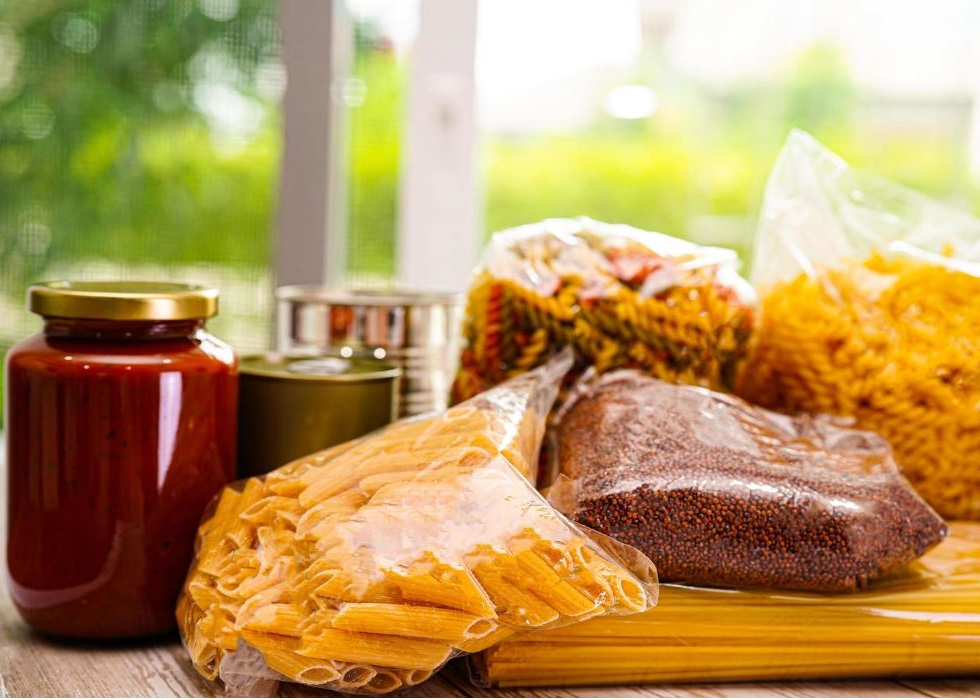
• Processed foods: They usually contain little fiber and a lot of unhealthy additives that can irritate the intestines and disrupt the balance of the microbiome.