Food allergies

19.04.2026

Food allergies (or food allergies) are immune reactions to certain proteins in food.
When a person with an allergy ingests the trigger, the immune system mistakenly identifies this substance as dangerous and triggers an allergic reaction.
The most common food allergens:
1. Milk (cow’s milk and dairy products)
2. Eggs
3. Fish
4. Shellfish and molluscs
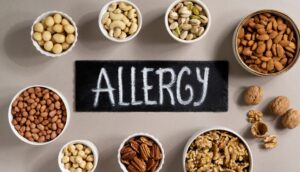
5. Tree nuts (peanuts, walnuts, hazelnuts, almonds, etc.)
6. Soy
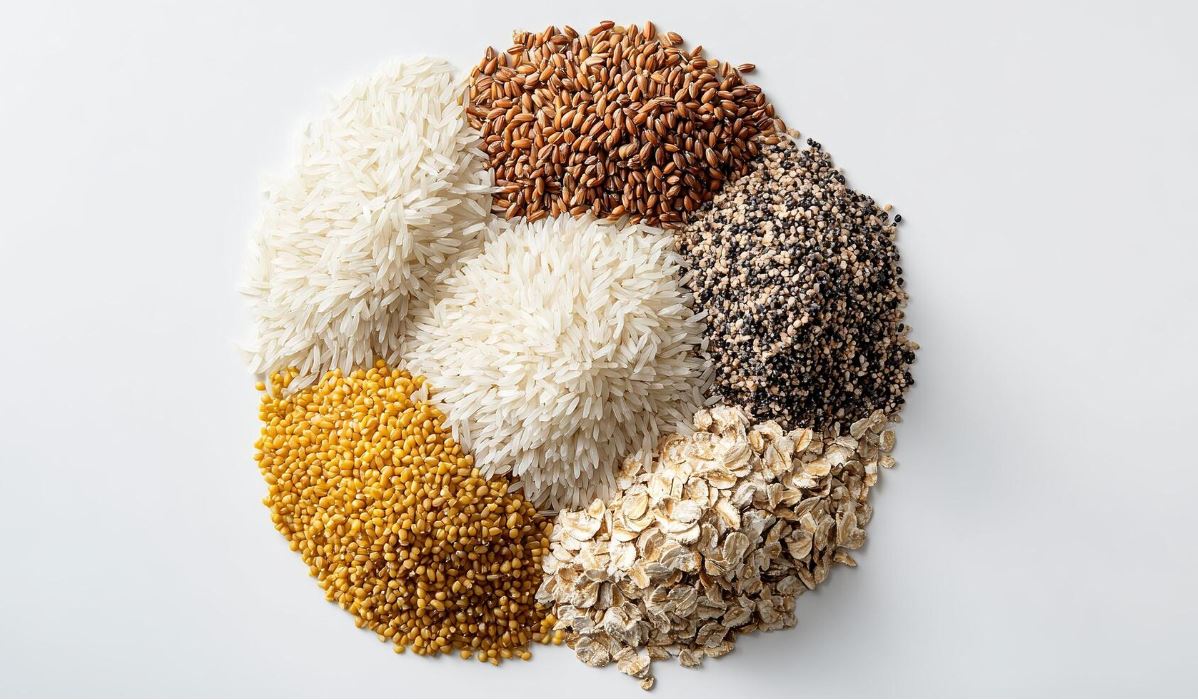
7. Wheat (including gluten)
8. Sesame
Food allergy symptoms:
• Itching, hives, rashes
• Swelling of the lips, tongue, face or throat
• Difficulty breathing, asthma attacks
• Nausea, vomiting, diarrhea
• Anaphylaxis (a severe, life-threatening reaction)
The difference between an allergy and an intolerance:
• An allergy involves an immune response and can be dangerous.
• Intolerance (e.g. lactose intolerance) means that the body cannot properly digest a certain substance, which causes digestive problems, but is not life-threatening.
Diagnosis and treatment:
• Testing (skin prick test, blood test, elimination diet)
• Avoidance of triggers
• Use of antihistamines or adrenaline (for severe reactions)