Nuts for a Healthy Heart

19.04.2026
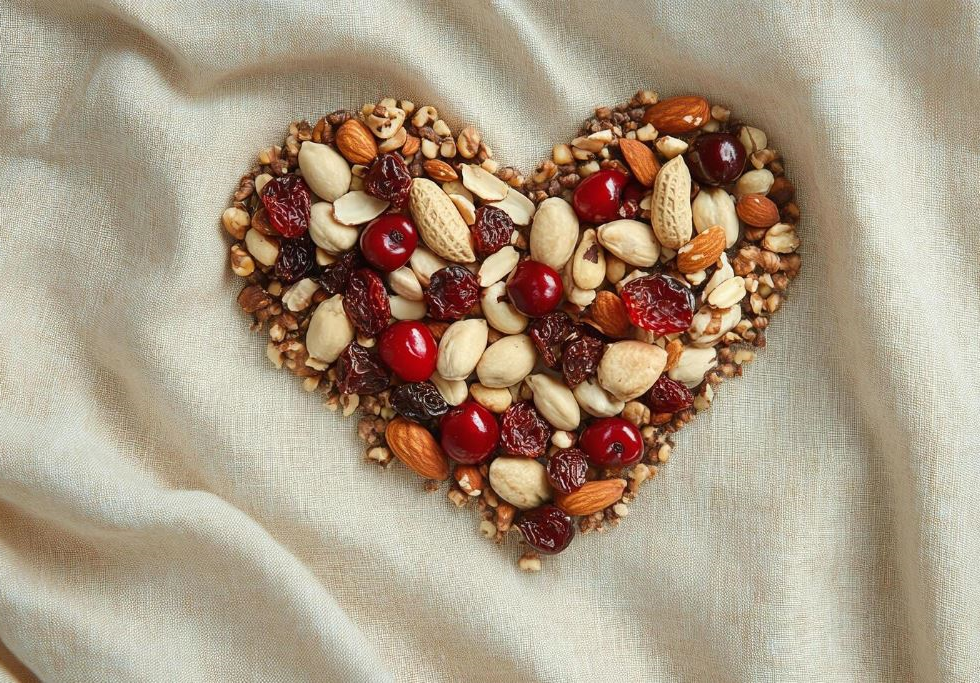
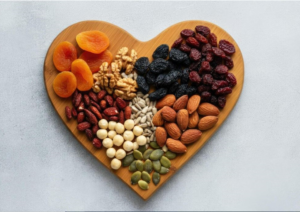
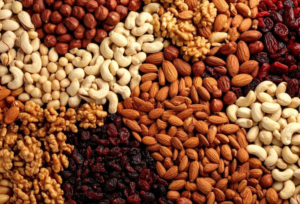
Nuts are a true “superfood” for the heart and blood vessels.
Most of their power comes from a combination of unsaturated fatty acids, plant sterols, fiber, and antioxidants, which together lower “bad” LDL cholesterol and strengthen the elasticity of blood vessels.
The best nuts to include in your diet to support your heart:
Walnuts (Kings of omega-3 fats)
Walnuts are unique among nuts in that they contain an exceptionally high concentration of alpha-linolenic acid (ALA), which is a plant-based form of omega-3.
• Benefit: They help reduce inflammation in the arteries and prevent clots.
• Fun fact: Studies show that eating walnuts improves the function of the endothelium (the inner layer of blood vessels).
Almonds (Source of vitamin E)
Almonds are full of vitamin E, which acts as a powerful antioxidant.
• Benefit: They prevent cholesterol oxidation. Oxidized cholesterol is the type that likes to stick to the walls of blood vessels and cause them to clog.
• Bonus: They are high in magnesium, which helps regulate blood pressure.
Pistachios (Lower blood pressure and less fat)
Pistachios have one of the lowest calorie values among nuts and are rich in potassium and phytosterols.
• Benefit: Several studies have linked eating pistachios to lowering systolic blood pressure.
• Tip: Buy the ones in the shell – shelling slows you down, so you’ll eat less and be more mindful.
Hazelnuts (For flexible arteries)
Hazelnuts are an excellent source of oleic acid (the same healthy fat as olive oil).
• Benefit: They are rich in folic acid, which helps lower homocysteine levels in the blood (high homocysteine is a risk factor for cardiovascular disease).
Cashews
Although they have a little more saturated fat than others, they are full of copper and magnesium.
• Benefit: They contribute to maintaining a healthy heart rhythm and strengthen the heart muscle.
Golden rules for eating nuts:
• Raw and unsalted: Salt retains water and increases blood pressure, which negates the heart benefits of nuts. Roasting in oil adds unnecessary and often oxidized fats.
• Moderation (Rule of Fist): Nuts are very energy-dense. The recommended daily amount is about 30 grams (which corresponds to one small fist).
• Better with the shell: If possible, eat almonds and hazelnuts with their thin brown skin, as it is in this that the most antioxidants (flavonoids) are hidden.
Tip: For digestion, it is even better for the heart if you soak the nuts before eating, as this neutralizes the phytic acid and improves the absorption of all these heart-healthy minerals.