Proper nutrition for allergies

19.04.2026
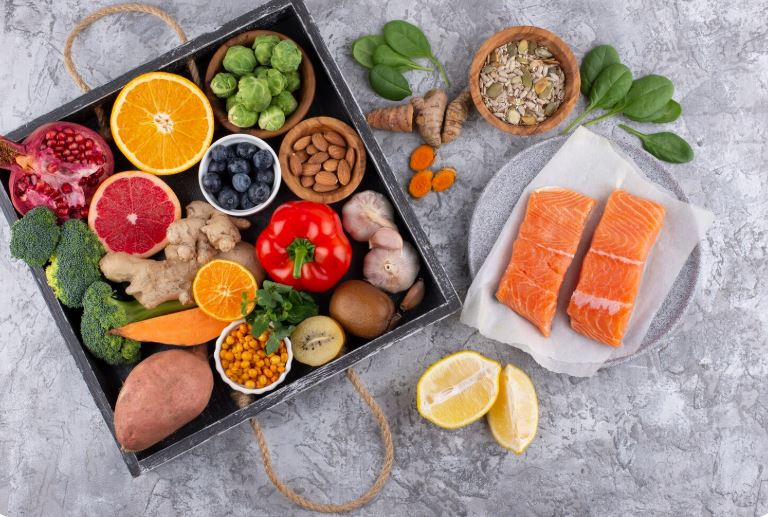
Proper nutrition for allergies is key to preventing allergic reactions and ensuring all the necessary nutrients.
Here are some guidelines for eating safely and balanced despite allergies.
Avoiding allergens
The most important rule is to completely eliminate the food that causes the allergy. Always check:
• Lists of ingredients on the packaging
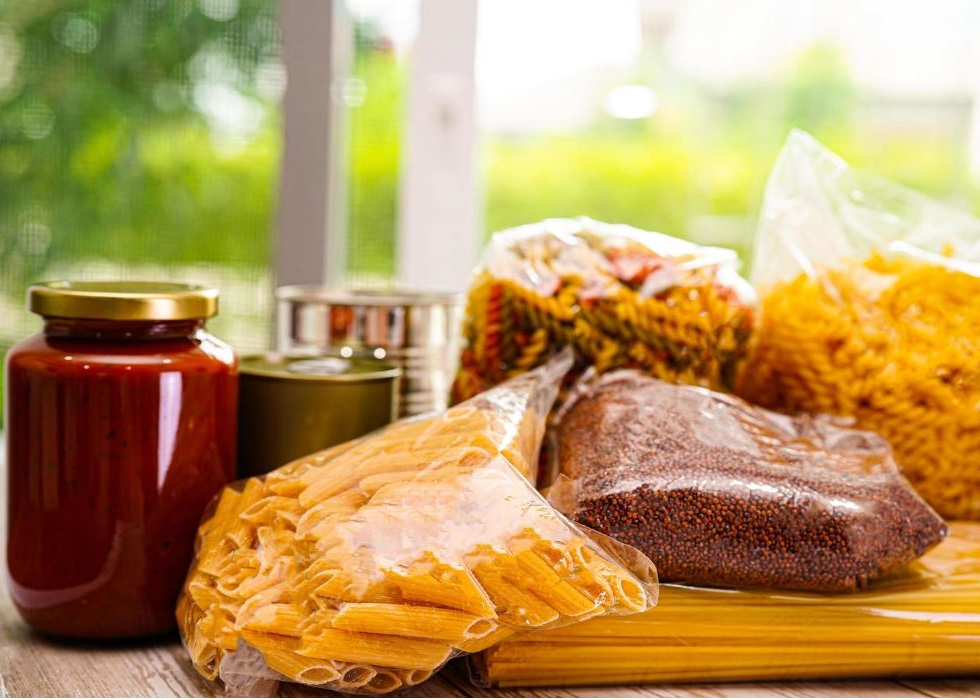
• Hidden allergens in processed foods
• Cross-contamination (e.g. when cooking or in restaurants)
Replacing nutrients from prohibited foods
If you have to eliminate a certain food, find suitable alternatives:
✅ Milk allergy → substitutes: plant-based milks (almond, oat, rice, soy), leafy vegetables for calcium
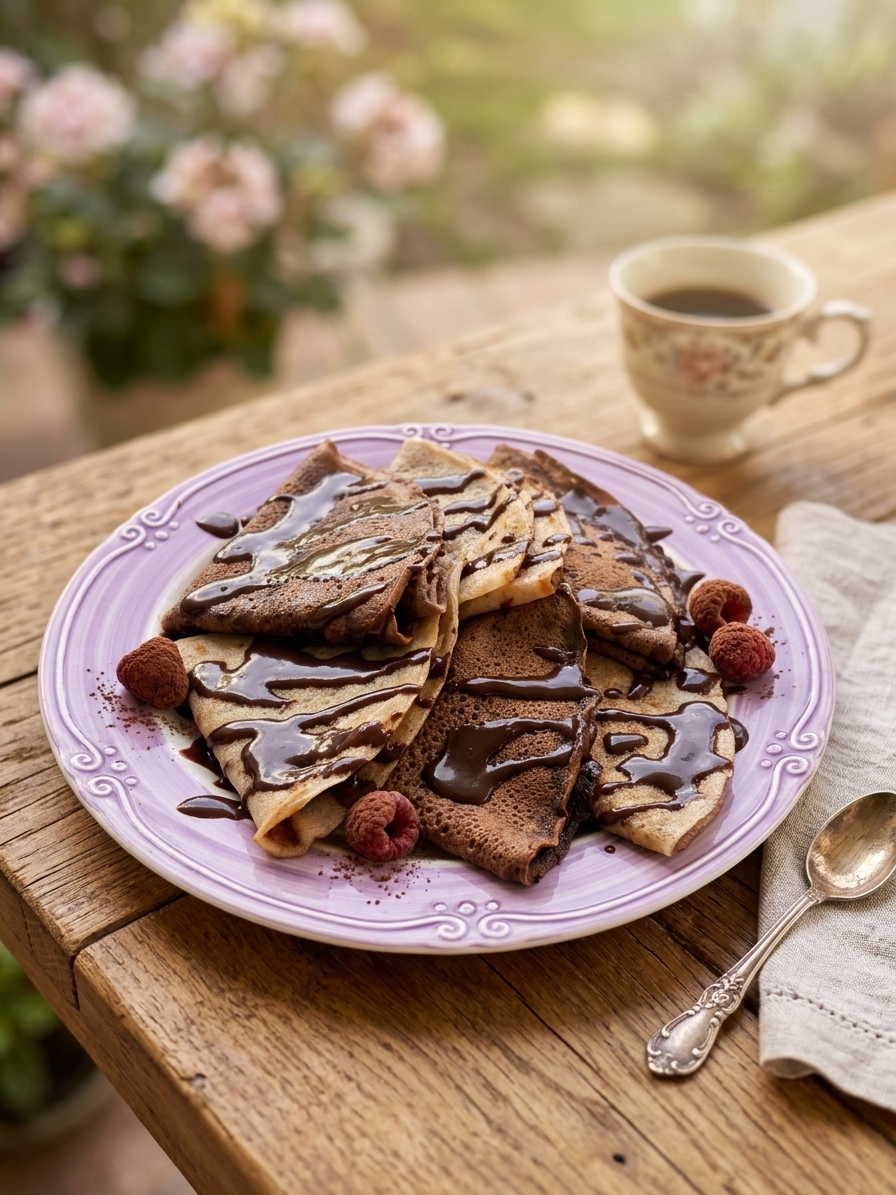
✅ Egg allergy → substitutes: chia or flax seeds (for baking), applesauce
✅ Nut allergy → substitutes: seeds (sunflower, pumpkin, sesame)
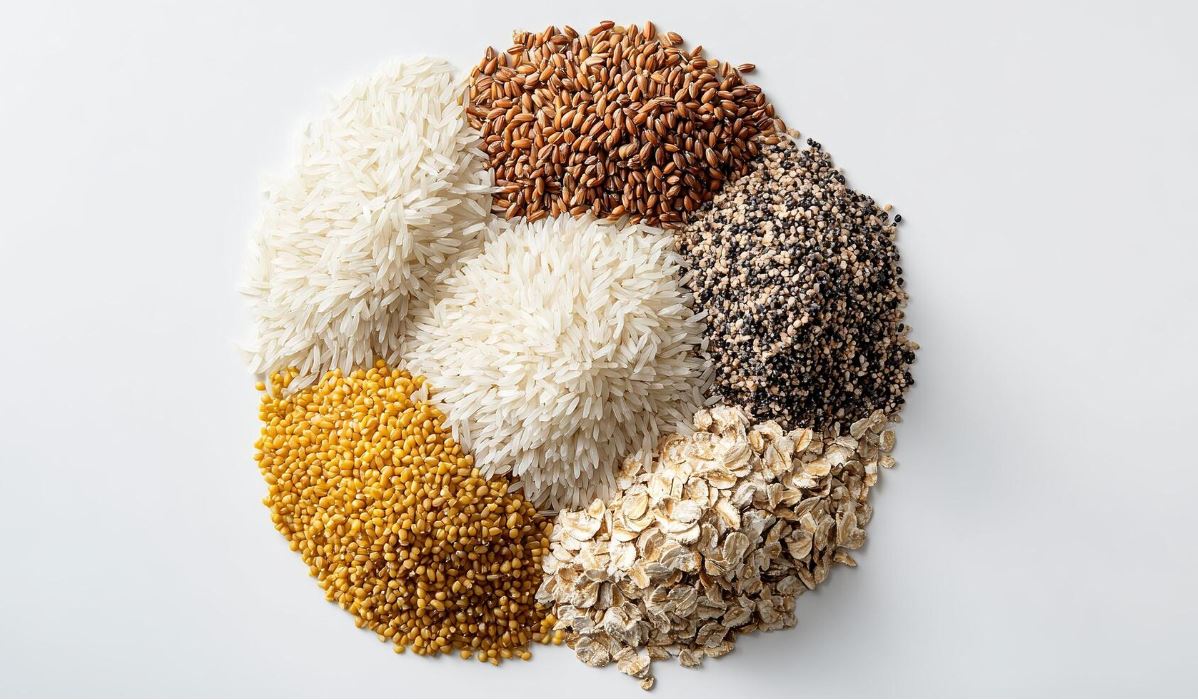
✅ Wheat allergy (gluten) → substitutes: rice, corn, quinoa, buckwheat
✅ Fish and seafood allergy → substitutes: chicken, tofu, legumes for protein
Balanced diet
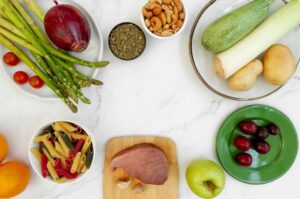
• Protein: meat, legumes, tofu, eggs (if no allergy), quinoa
• Healthy fats: avocado, olive oil, coconut oil, seeds
• Vitamins and minerals: vegetables, fruits, whole foods
• Fiber: brown rice, buckwheat, quinoa, vegetables
Cooking at home
Home-cooked food is the safest because you have control over the ingredients. Try:
• Fresh, unprocessed ingredients
• Substitute ingredients when baking and cooking
• Separate food preparation utensils if you live with someone without allergies
Check labels and cross-contamination
• “May contain traces of…” means a risk for allergy sufferers
• “Gluten-free”, “dairy-free”, etc. indicates safe products
• Preparing food on the same surface as allergens can cause a reaction
Consult a professional
If you need to eliminate multiple food groups, consult a nutritionist to prevent nutrient deficiencies.