
Simple Ways to Reduce Calorie Intake

12.11.2026
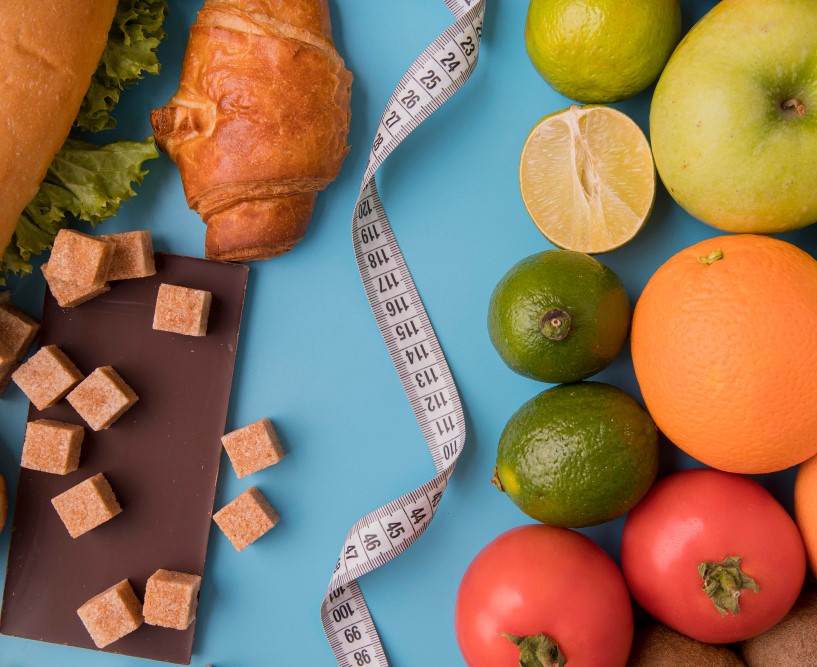
Many people believe that losing weight requires eating very little. In reality, what you eat is far more important than just how much you eat.
With a few simple changes, you can reduce your calorie intake without feeling hungry all the time.
Start your meal with vegetables
Vegetables are high in water and fiber, which helps you feel full quickly while remaining low in calories.
Tip: Make sure half your plate always consists of vegetables.
Include protein in every meal
Protein increases the feeling of fullness and helps maintain muscle mass.
Good sources include:
• eggs,
• Greek yogurt,
• cottage cheese,
• chicken,
• fish,
• legumes,
• tofu.
Choose whole foods
Whole foods contain more fiber, keeping you full for longer.
Opt for:
• oats,
• whole-grain bread,
• buckwheat,
• quinoa,
• brown rice.
Drink enough water
Sometimes we mistake thirst for hunger. Drink a glass of water before a meal and ensure you stay well-hydrated throughout the day.
Eat slowly
It takes about 20 minutes for your brain to register that you are full. Eating more slowly often leads to consuming less food.
Swap out sugary drinks
Carbonated drinks, fruit juices, and sweetened beverages are high in calories. Instead, choose:
• water,
• mineral water,
• unsweetened tea,
• black coffee without sugar.
Don’t eat directly from the package
Chips, cookies, or nuts disappear quickly when eaten straight from the bag. Place a smaller portion on a plate or in a bowl.
Ensure sufficient fiber intake
Fiber slows down digestion and prolongs the feeling of fullness.
You can find it in:
• vegetables,
• fruit,
• legumes,
• whole grains,
• chia and flax seeds.
Don’t skip meals
Going too long without food often leads to eating more than your body actually needs.
Regular, balanced meals help maintain stable energy levels.
Get quality sleep
Lack of sleep increases hunger hormones and cravings for sugary and fatty foods.
Most adults need about 7–9 hours of sleep per night.
Limit highly processed foods
Sweets, pastries, chips, and fast food are high in calories but often keep you full for only a short time.
Smart snacking
When you get hungry between meals, reach for:
• Greek yogurt,
• cottage cheese,
• an apple,
• carrots,
• bell peppers,
• a handful of nuts (in moderation),
• a boiled egg.
Remember
You don’t need to starve yourself to achieve successful, long-term weight loss. Small changes that you can maintain every day have the greatest impact:
✔️ Eat more vegetables.
✔️ Ensure you get enough protein and fiber.
✔️ Drink plenty of water.
✔️ Eat slowly.
✔️ Choose foods that are as minimally processed as possible.
The best diet is not one that leaves you hungry—but rather one that you can easily sustain in the long term.
🌸 🌸 🌸 🌸 🌸 🌸
You may like these too
Foods to Include in Your Daily Diet
Food is fuel for our body. By choosing high-quality foods, we can do a great deal every day for our
12.11.2026
The Secret to a Healthy Lifestyle
A healthy lifestyle is not just a one-time decision; it is the way we care for our body, mind, and w
12.11.2026
Simple Ways to Reduce Calorie Intake
Many people believe that losing weight requires eating very little. In reality, what you eat is far
12.11.2026
Reading Food Labels
Reading Food Labels – How to Read Them Correctly and Why? Food labels are an important source of i
12.11.2026