Foods that prolong youth

17.09.2025

No food can stop the aging process, certain nutrients and antioxidants from foods can significantly slow down cellular aging, protect our cells from damage, and support vitality and a youthful appearance. Focusing on these foods is a key part of an anti-aging diet approach.
Foods that Prolong Youth: Advantages and Benefits
These foods are rich in substances that work on multiple levels and contribute to long-term health and a youthful appearance:
Rich in antioxidants: Antioxidants (such as vitamins C and E, beta-carotene, polyphenols) fight free radicals, unstable molecules that damage cells and contribute to aging and the development of chronic diseases. Reducing oxidative stress means slower cellular aging.
Anti-inflammatory action: Chronic inflammation in the body is one of the main factors that accelerate aging and the development of diseases. Foods with strong anti-inflammatory properties help reduce this inflammation.
Support collagen production: Certain nutrients are key to the synthesis of collagen, a protein that keeps skin supple, hair shiny, and joints healthy.
Cardiovascular health: Foods that protect the heart and blood vessels provide better blood circulation and the supply of oxygen and nutrients to cells, which is essential for the vitality of all tissues.
Brain health: Maintaining cognitive function and a sharp mind are key parts of “youthful” aging.
Strengthen the immune system: A strong immune system fights infections and diseases more effectively.
Guidelines and foods to include in your diet
For maximum effect, focus on variety and consistency.
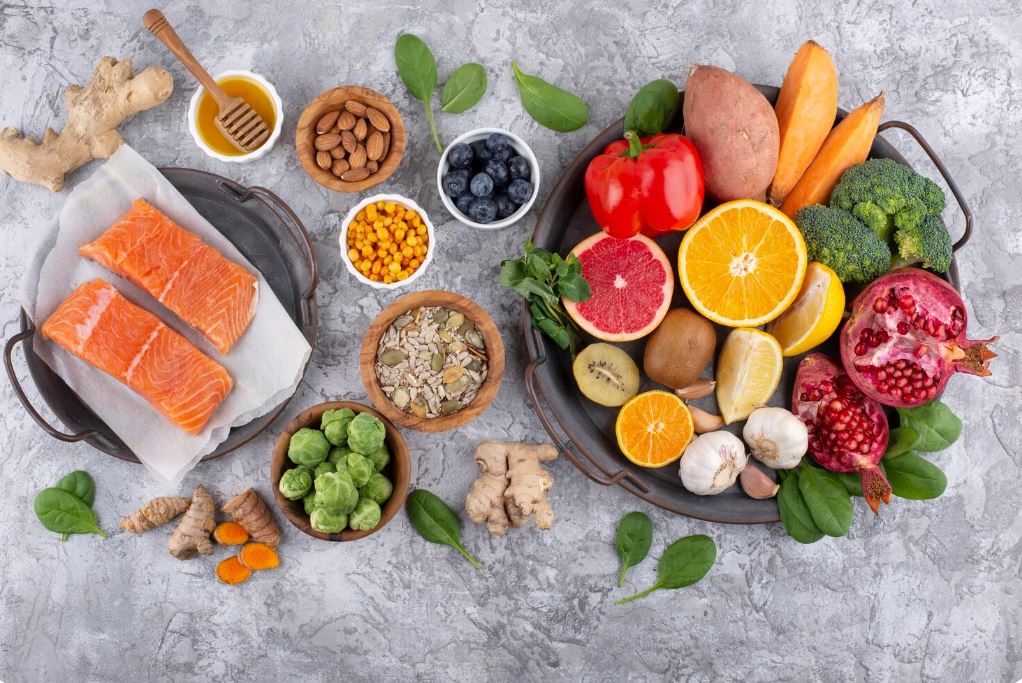
Berries (blueberries, raspberries, strawberries, chokeberries):
- Benefits: Extremely rich in antioxidants (anthocyanins), which protect the brain, improve memory, and keep the skin supple.
- Inclusion: Every day in smoothies, oatmeal, yogurt or as a snack.
Green leafy vegetables (spinach, kale, Swiss chard, arugula):
- Benefits: Source of vitamins K, A, C, folate, lutein and zeaxanthin. They protect cells, improve vision and have anti-inflammatory effects. Vitamin K is also important for bone health.
- Inclusion: In smoothies, salads, soups, omelets, as a side dish to main dishes.
Fatty fish (salmon, mackerel, sardines, trout):
- Benefits: Rich in omega-3 fatty acids (EPA and DHA), which are essential for brain and heart health, reducing inflammation and maintaining skin moisture.
- Inclusion: At least 2-3 times a week. Prepare them baked, grilled or in salads.
Nuts and seeds (almonds, walnuts, chia seeds, flax seeds, sunflower seeds):
- Benefits: Excellent source of healthy fats, vitamins (especially vitamin E, a powerful antioxidant for the skin), minerals and fiber.
- Inclusion: As a snack (a handful a day), added to oatmeal, yogurt or salads.
Avocado:
- Benefits: Source of monounsaturated fats, which are good for the heart and skin. Also contains vitamins E and C and carotenoids.
- Inclusion: In salads, on toast, in smoothies or guacamole.
Extra virgin olive oil:
- Benefits: Rich in monounsaturated fats and polyphenols (powerful antioxidants), which have anti-inflammatory and heart-protecting effects.
- Inclusion: As a salad dressing, added to vegetables or soups.
Brightly colored vegetables (carrots, red peppers, tomatoes, sweet potatoes):
- Benefits: Rich in beta-carotene (a precursor to vitamin A), lycopene (in tomatoes), and vitamin C. These substances are powerful antioxidants that protect the skin from UV damage and stimulate collagen production.
- Inclusion: Every day in salads, soups, stews, or as a snack.
Citrus fruits (oranges, grapefruits, lemons):
- Benefits: An excellent source of vitamin C, which is essential for collagen synthesis, strengthening the immune system, and acts as a powerful antioxidant.
- Inclusion: As fresh juice, in salads, flavored waters, or as an addition to dishes.
- Turmeric and ginger:
- Benefits: Powerful anti-inflammatory and antioxidant effects that help reduce inflammation in the body and support digestive health.
- Inclusion: In curries, soups, smoothies, teas. Enjoy turmeric with black pepper for better absorption.
General guidelines for a “youthful” diet
• Variety: Eat a wide range of colorful fruits and vegetables to get a variety of antioxidants and nutrients.
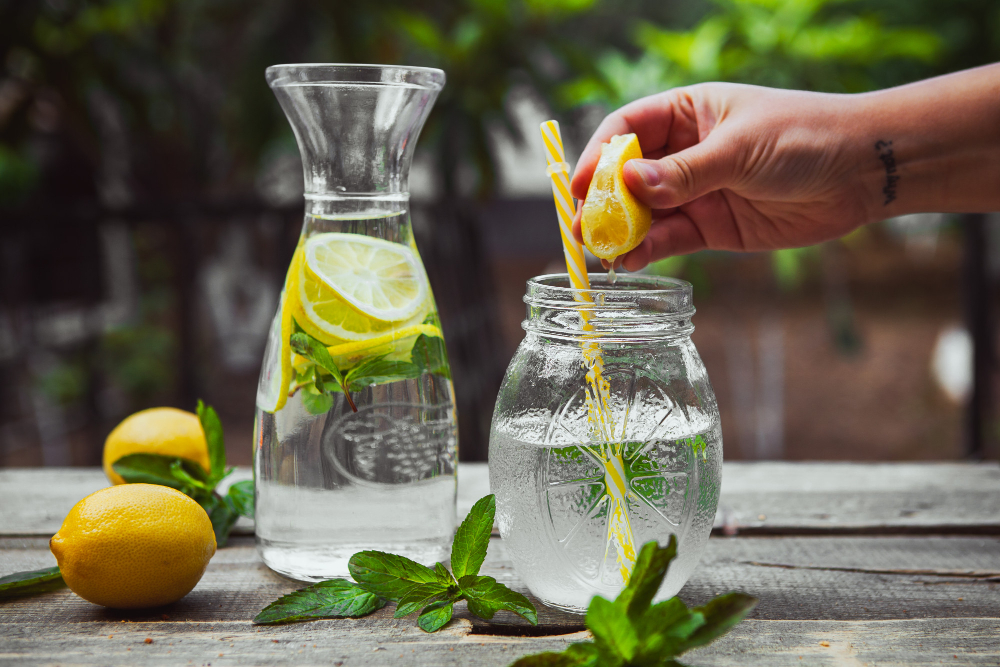
• Hydration: Drink enough water (at least 8 glasses per day) for optimal cell function and skin hydration.
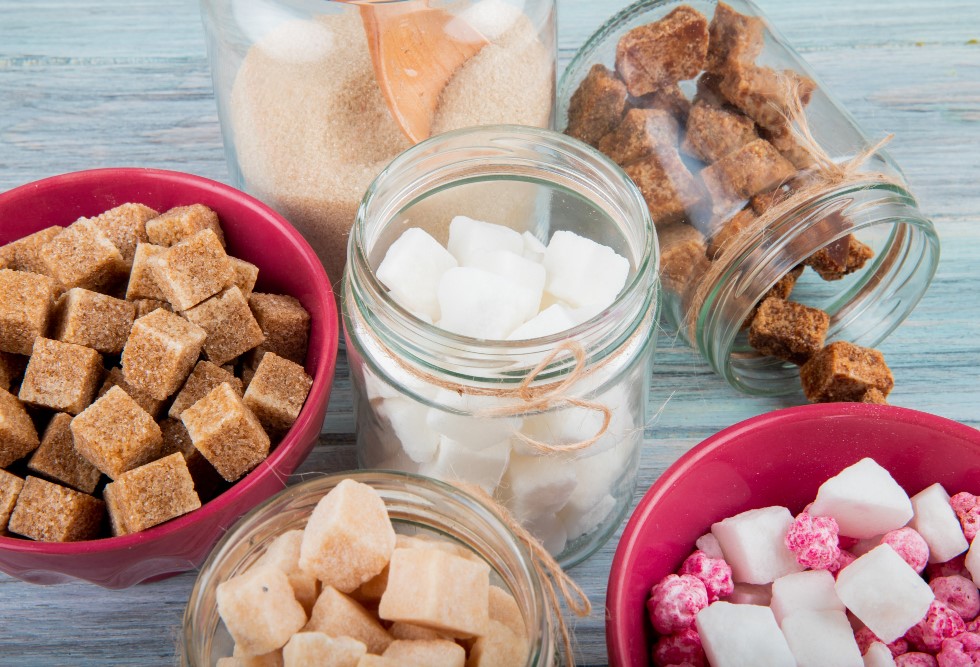
• Limit processed foods and sugar: These promote inflammation and cellular aging.
• Consult an expert: Consult a doctor or clinical dietitian for individualized nutritional plans and possible supplements.
Incorporating these foods into your diet will contribute to better vitality, a youthful appearance, and overall health, which is key to enjoying life at any age.