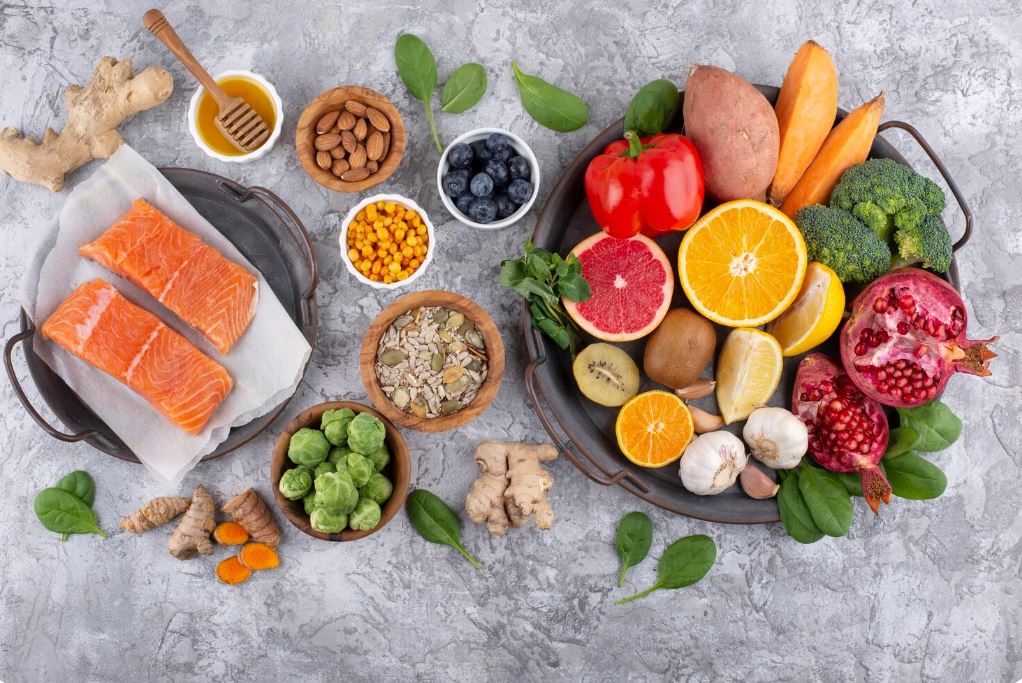
Food as medicine

13.10.2025

The concept of “food as medicine” emphasizes that proper nutrition plays a key role in maintaining health, preventing disease and even supporting the treatment of certain conditions. Although food cannot replace all medications, it has a tremendous impact on our body and well-being.
The importance and role of food as medicine
Food is not just a source of energy, but a complex mixture of nutrients that affect every system in our body. The importance of food as medicine stems from the realization that by choosing the right foods, we can:
• We influence inflammatory processes: Some foods have an anti-inflammatory effect (e.g. fruits, vegetables, omega-3 fatty acids), while others can promote inflammation (e.g. processed foods, refined sugars).
• We support the immune system: An adequate diet, rich in vitamins, minerals and antioxidants, strengthens our defenses against infections and diseases.
• We manage our weight: A healthy diet helps maintain a healthy weight, which is key to preventing many chronic diseases, such as type 2 diabetes, cardiovascular disease, and some types of cancer.
• We influence digestion and gut microbiota: A healthy gut flora, supported by fiber and probiotics, is associated with a better immune system, better mood, and overall health.
• We optimize organ function: Specific nutrients support the function of the liver, kidneys, heart, and other vital organs.
• We reduce the risk of chronic diseases: A long-term healthy diet reduces the risk of developing cardiovascular disease, diabetes, certain types of cancer, osteoporosis, and other chronic conditions.
Benefits and advantages
Eating food as medicine brings many benefits and advantages:
• Preventive action: The greatest advantage is preventing diseases before they even occur. By optimizing nutrient intake, we reduce the risk of developing many health problems.
• Treatment support: In pre-existing diseases, a specific diet can complement medical therapy, relieve symptoms and improve treatment outcomes (e.g. diabetes diet).
• Improved well-being and energy: Adequate nutrient intake affects energy levels, mental clarity, mood and general vitality.
• Reduced dependence on medications: In some cases, changing your diet can reduce the need for certain medications or their dosage, of course always in consultation with your doctor.
• No side effects: Unlike pharmaceutical drugs, proper nutrition usually does not have unwanted side effects, if we take individual needs and possible allergies into account.
• Financial accessibility: Although healthy food sometimes seems more expensive, long-term disease prevention reduces treatment costs.
• Accessibility and ease of use: Food is available every day and can be included in your daily routine.
Guidelines for Using Food as Medicine
In order for food to truly serve as medicine, it is important to follow these guidelines:
Whole, unprocessed foods: Focus on fresh fruits, vegetables, whole grains, legumes, nuts, seeds, quality proteins (fish, poultry, lean meats), and healthy fats (olive oil, avocado). Avoid processed foods high in sugar, salt, and unhealthy fats.
Variety: Eat a variety of foods to ensure you get a wide range of vitamins, minerals, and phytochemicals that are essential for good health.
Hydration: Drink plenty of water. Water is essential for all bodily functions, including nutrient metabolism and the elimination of toxins.
Individual needs: Your diet should be tailored to your age, gender, lifestyle, and health needs. Some medical conditions require specific adjustments (e.g., diabetes, celiac disease, allergies).
Focus on macro- and micronutrients: Ensure adequate intake of protein, carbohydrates, and fats, and don’t forget about vitamins and minerals.
Anti-inflammatory foods: Regularly include foods with strong anti-inflammatory properties, such as berries, green leafy vegetables, turmeric, ginger, omega-3 fatty acids (from oily fish, flaxseed).
Reduce sugar and salt: Limit your intake of added sugar and excessive amounts of salt, as they can cause inflammation and contribute to the development of chronic diseases.
Food preparation: Prioritize steaming, stewing, baking, and boiling instead of frying.
Listen to your body: Pay attention to how your body responds to different foods. Some foods may not suit you, even though they are widely known as “healthy”.
Consult a professional: For more serious health problems or when switching to a specific dietary regimen, consult a doctor or clinical dietitian.
While food is an incredibly powerful tool for health, it is not a miracle cure that would replace medical care and prescribed medications for all ailments.
It is a complementary approach that supports the body in self-healing and disease prevention, but always in collaboration with professional medical care.