The impact of large meals on health

10.10.2025
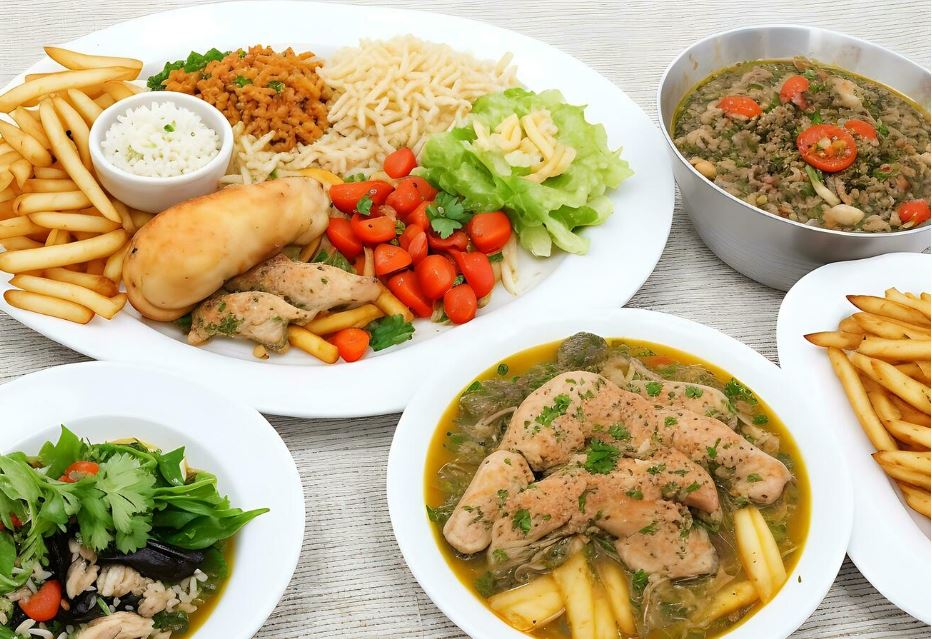
Large meals or overeating can have a significant negative impact on health, both in the short and long term. The body copes with a sudden excess of food and energy, which triggers various reactions.
Short-term effects of large meals
These effects occur immediately or shortly after consuming too much food:
• Gastrointestinal discomfort:
- The expansion of the stomach causes a feeling of heaviness, tension and bloating.
- Increased pressure on the diaphragm can trigger acid reflux and heartburn, especially if you lie down after eating.
- Slowing down of metabolism and digestion, which can lead to constipation, especially with meals high in fat and low in fiber.
• Fatigue and drowsiness (“food coma”):
- The body uses a lot of energy to digest a large meal.
- Meals rich in fat and sugar cause a rapid rise in blood sugar, followed by a rapid fall. This rapid fluctuation in blood glucose causes feelings of fatigue, irritability, and increased cravings for sweets, which can trigger a new cycle of overeating.
• Psychological consequences: Feelings of guilt, shame, and disappointment often arise after uncontrolled overeating.
Long-term consequences of chronic overeating
Regular consumption of large meals, especially those that are nutritionally depleted (rich in processed foods, unhealthy fats, and sugars), significantly increases the risk of serious health problems:
• Weight gain and obesity: Excess calories that the body does not use are stored as body fat. Obesity is a key risk factor for many chronic diseases.
• Cardiovascular disease: The risk of high blood pressure and high cholesterol increases, which are closely linked to cardiovascular disease, including heart attack and stroke.
• Type 2 diabetes: Frequent and large meals that cause severe fluctuations in blood sugar can eventually lead to insulin resistance and the development of diabetes.
• Other metabolic problems: Impaired metabolism, liver strain, and increased cravings for unhealthy foods.
• Compulsive overeating: In some cases, overeating can become an eating disorder, where food serves as a coping mechanism for negative emotions (stress, anxiety, sadness), trapping the individual in a vicious cycle.
What is recommended instead of large meals?
Nutritionists often recommend:
1. Balanced portions: The size of your meals should correspond to your actual energy needs. The recommended lunch/dinner portion should include a quarter of starchy foods (potatoes, cereals), a quarter of protein (meat, legumes), and half of a plate of vegetables.
2. Regular and smaller meals: Eating 3 to 5 nutritious meals evenly distributed throughout the day helps maintain stable blood sugar levels, prevents feelings of extreme hunger and thus reduces the likelihood of overeating.
3. Mindful eating: Take your time to eat, eat at the table, pay attention to the taste and smell of food. When you feel full, stop eating.
The quality and balance of foods are just as crucial as the quantity.
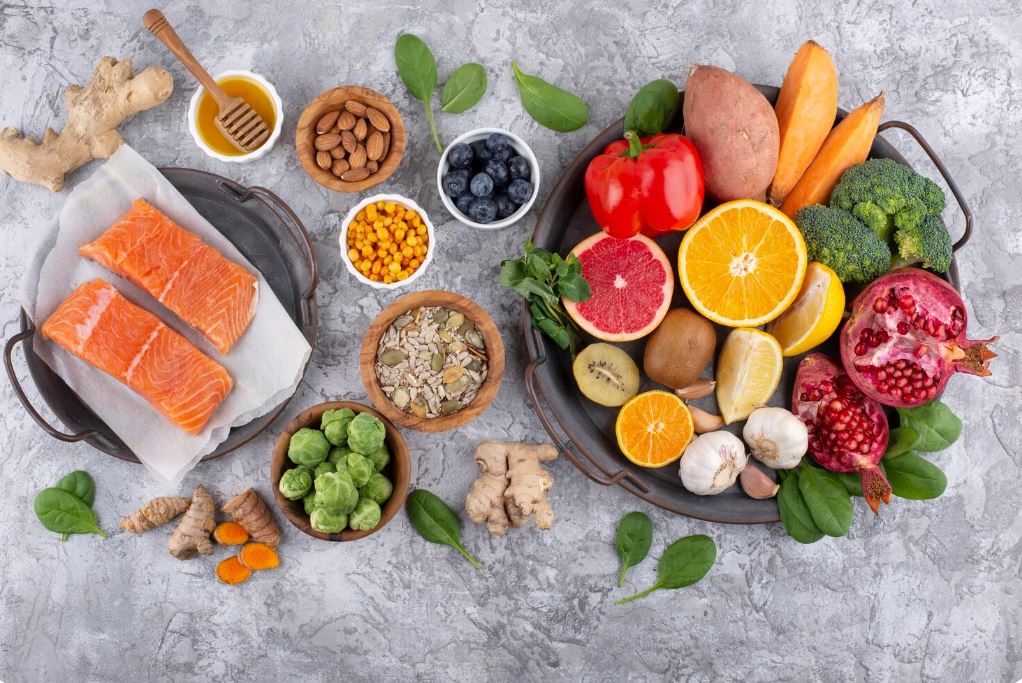
Choosing whole foods, rich in fiber (fruits, vegetables, whole grains), protein and quality fats is the foundation for optimal digestive and overall body function.

❤️❤️❤️