
Strengthening the immune system through gut health

04.02.2026

The connection between the gut and the immune system is extremely strong. A healthy gut is therefore directly linked to a strong body defense.
🛡️
Targeting the gut flora (Microbiota)
The microbiota regulates the function of immune cells and creates substances that strengthen the intestinal barrier.
- Increase your intake of probiotics: Kefir and yogurt: Consume regularly (daily, if possible) for a constant supply of good bacteria.
- Fermented vegetables: Sauerkraut, kimchi, pickles help colonize the gut.
- Feed good bacteria (Prebiotics):Good bacteria need fiber to grow. Focus on inulin and resistant starch: garlic, onions, leeks, oats, kale, lentils, and slightly green bananas.
Strengthening the intestinal barrier (leaky gut)
A healthy intestinal wall prevents toxins and undigested substances from entering the bloodstream and triggering an immune response.
- L-Glutamine: This amino acid fuels the cells of the intestinal wall (enterocytes) and helps repair damaged mucosa. It is found in protein powder, meat, eggs and cottage cheese.
- Bone broth: Beef or chicken bone broth is rich in gelatin and collagen, which help heal the intestinal mucosa.
- Zinc: Essential for the integrity of the intestinal barrier. It is found in seeds, nuts, beef and legumes.
Reducing inflammation in the intestine
Chronic inflammation in the intestine weakens the immune system and diverts it away from defending against pathogens.
- Omega-3 fatty acids: They have a strong anti-inflammatory effect. Regularly consume oily fish (salmon, mackerel, sardines), flaxseeds and walnuts.
- Turmeric: The active compound curcumin is a powerful inhibitor of inflammatory pathways in the body. Always consume it with black pepper (for better absorption).
- Avoid triggers: Common triggers of inflammation include processed foods, sugar, trans fats and excessive alcohol consumption.
Lifestyle impact
The balance of the microbiota is also greatly influenced by external factors.
- Stress management: Chronic stress directly changes the composition of the gut microbiota and increases inflammation. Use relaxation techniques, yoga or moderate exercise.
- Sleep: Lack of quality sleep negatively affects the gut microbiome and increases susceptibility to infections.
- Herbal support: Ginger and garlic are excellent for reducing inflammation and are natural antimicrobials.
❤️❤️❤️❤️❤️❤️
You may like these too
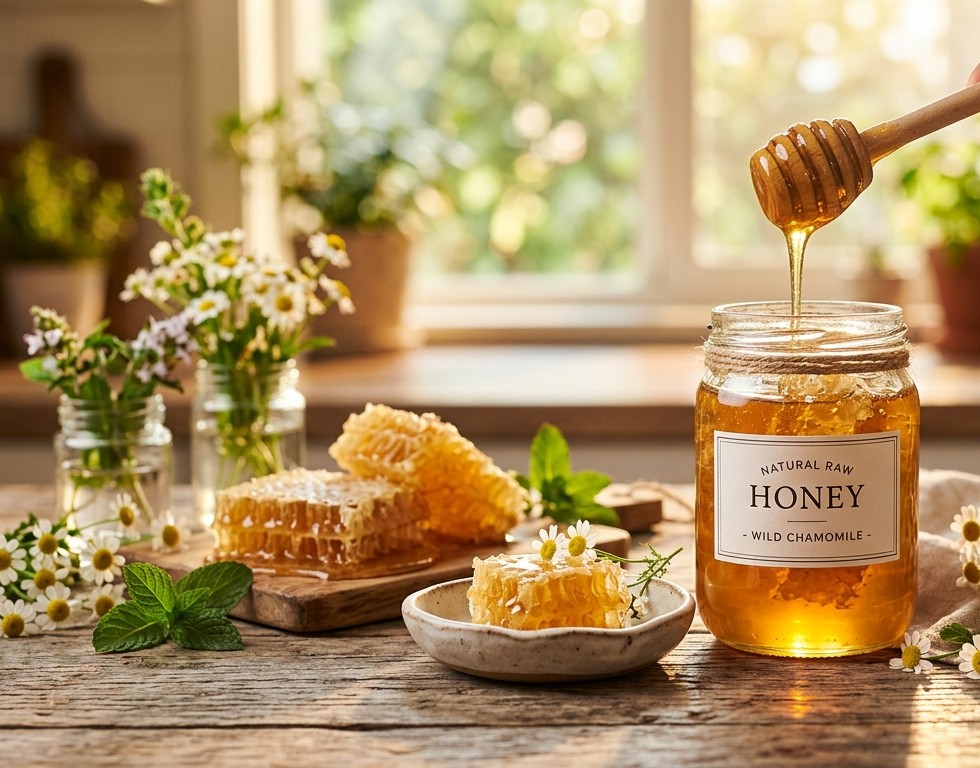
Honey
For millennia, honey has been prized as a natural wonder, often referred to simply as “liquid
15.10.2026
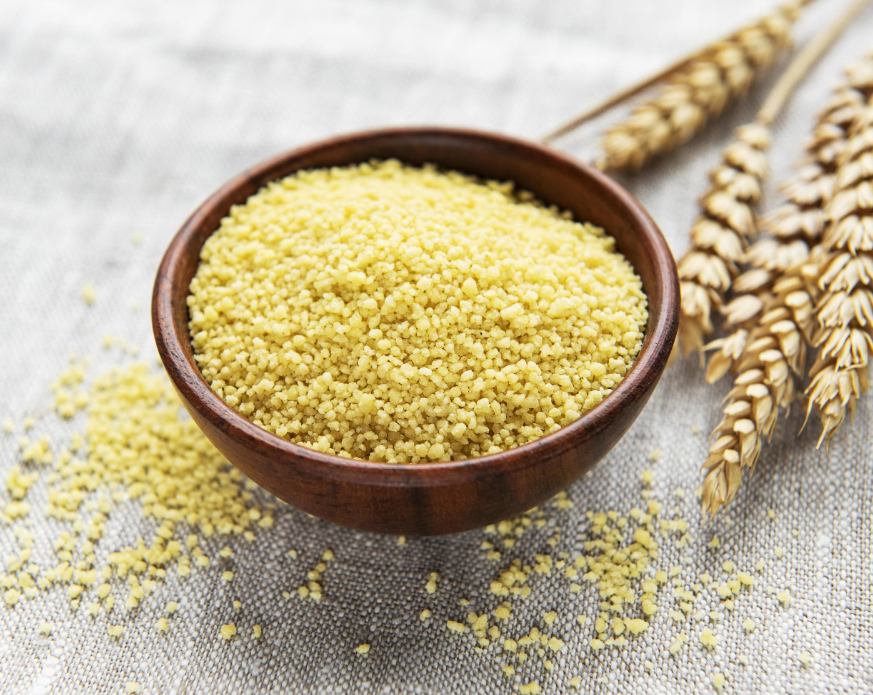
Millet
Millet, derived from millet, is an ancient grain that has recently gained popularity due to its many
14.10.2026
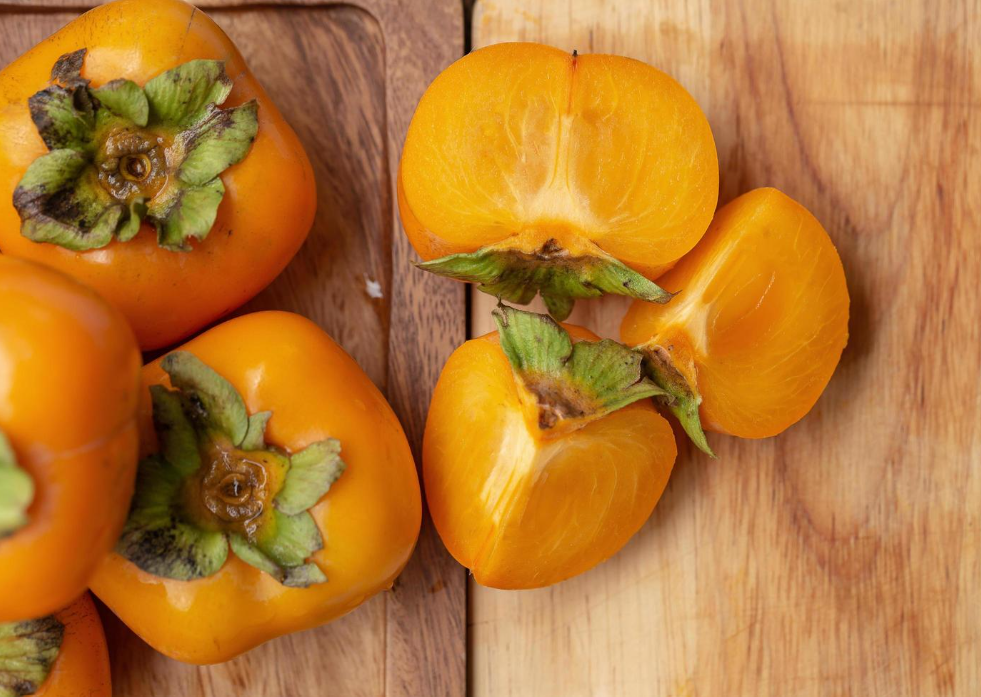
Persimmon
Persimmon, often called “food of the gods” (from the botanical name Diospyros kaki), is
12.10.2026
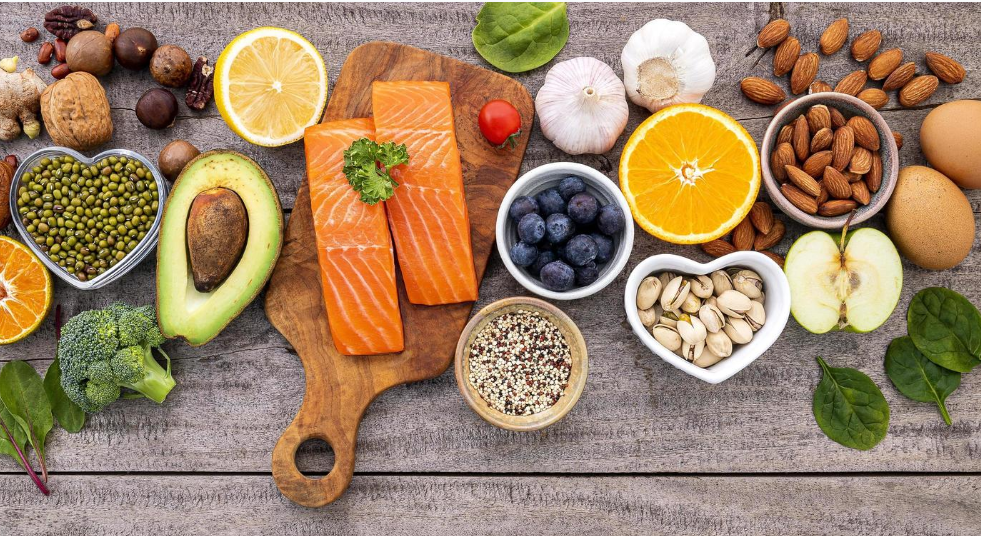
How to get rid of visceral fat?
Getting rid of visceral fat (the fat around your internal organs) is crucial, as this type of fat is
12.10.2026