Foods for better concentration

11.02.2026

In today’s fast-paced life, concentration is crucial for effective work, learning, and overall productivity.
However, factors such as stress, lack of sleep, and poor nutrition can greatly affect our ability to focus.
While there are no magic pills for instant better concentration, certain foods can greatly support brain function and improve cognitive function.
How does nutrition affect concentration?
The brain is an extremely energy-intensive organ that requires a constant and stable supply of glucose. In addition, it needs specific nutrients for optimal neurotransmitter function, protection against oxidative stress, and support for cellular structure.
The main mechanisms of nutrition’s influence on concentration are:
Blood sugar stabilization: Sudden fluctuations in blood sugar cause “brain fog,” fatigue, and a reduced ability to focus. Foods that gradually release glucose provide stable energy to the brain.
Anti-inflammatory and antioxidant effects: Inflammation and oxidative stress can damage brain cells and impair their function. Antioxidants and anti-inflammatory substances protect the brain.
Neurotransmitter support: Certain nutrients are essential for the synthesis of neurotransmitters (chemical messengers in the brain), such as serotonin, dopamine and acetylcholine, which affect mood, memory and concentration.
Building brain cells: Healthy fats are key building blocks of brain cells (neurons) and their membranes.
Foods for better concentration: Advantages and benefits
Including these foods in your diet can bring many benefits for cognitive abilities:
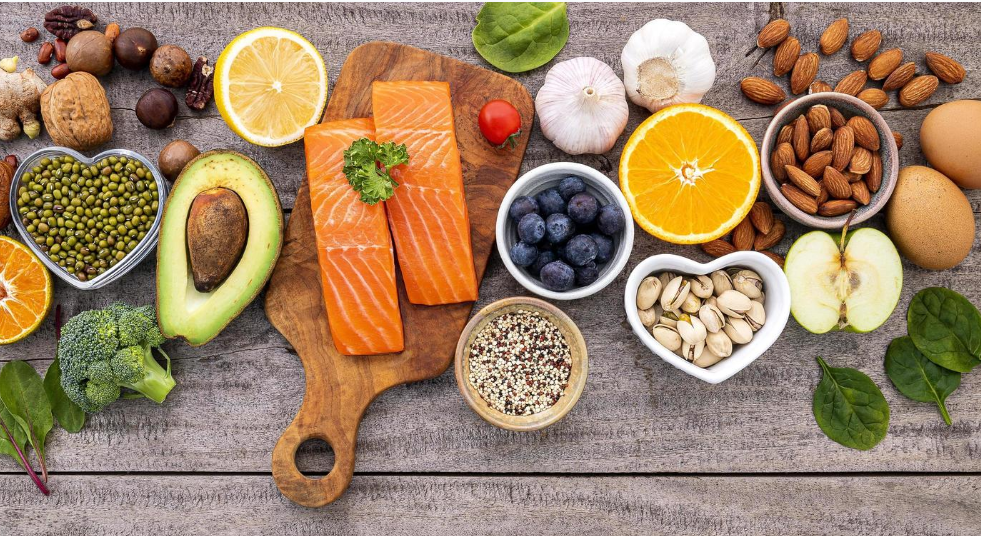
Fatty fish (salmon, mackerel, sardines, trout):
o Benefits: They are rich in omega-3 fatty acids (EPA and DHA), which are essential for brain cell health, improving memory, learning and concentration. They also help reduce inflammation in the brain.
o Guideline: Aim for at least 2-3 servings per week.
Berries (blueberries, raspberries, blackberries, goji berries):
o Benefits: Extremely rich in antioxidants, especially anthocyanins, which protect brain cells from oxidative stress, improve blood flow to the brain, and may improve memory and cognitive function.
o Guideline: Add to breakfast (yogurt, oatmeal), smoothies, or as a snack.
Nuts and seeds (walnuts, almonds, chia seeds, flax seeds, pumpkin seeds):
o Benefits: A source of healthy fats, vitamin E (an antioxidant), magnesium, and zinc. Walnuts are especially rich in omega-3s. These nutrients support cognitive function and protect brain cells.
o Guideline: A handful of nuts a day as a snack or addition to meals.
Green leafy vegetables (spinach, kale, Swiss chard, broccoli):
o Benefits: Packed with vitamin K, lutein, folate, and beta-carotene. Vitamin K is important for brain health, folate helps reduce homocysteine (which can damage the brain), and lutein protects against oxidative stress.
o Guideline: Include them in salads, smoothies, soups, or as a side dish to main dishes.
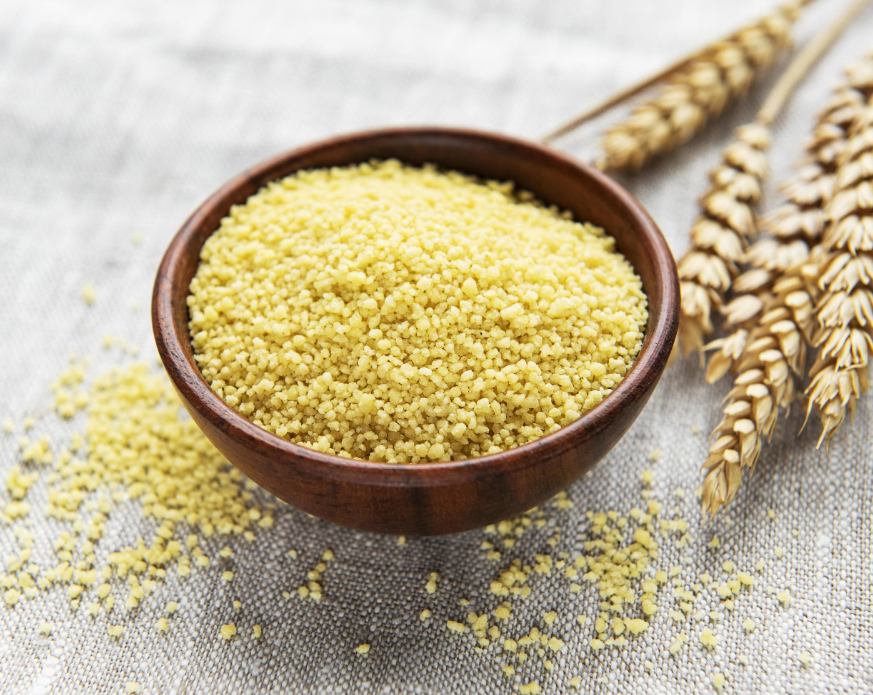
Whole grains (oats, brown rice, quinoa, whole-grain bread):
o Benefits: They provide a steady and gradual release of glucose into the bloodstream, preventing sudden energy drops and brain fog. They are rich in fiber and B vitamins, which are essential for energy metabolism.
o Guideline: Choose whole grains over refined grains.
Eggs:
o Benefits: An excellent source of choline, a nutrient that is essential for the production of the neurotransmitter acetylcholine, which is important for memory and learning. They are also rich in protein and B vitamins.
o Guideline: A great breakfast, salad topping, or snack.
Green tea:
o Benefits: Contains caffeine (in moderate amounts that don’t cause jitters) and L-theanine. L-theanine works synergistically with caffeine to improve alertness, focus, and calm without causing jitters. It is also rich in antioxidants.
o Guideline: A cup of green tea instead of coffee or sugary drinks.
Dark chocolate (at least 70% cocoa):
o Benefits: Rich in flavonoids (antioxidants), which improve blood flow to the brain, and some stimulant compounds that can improve mood and concentration.
o Guideline: Enjoy in moderation (a few cubes a day).
Guidelines for Improving Concentration Through Nutrition
• Balanced Meals: Each meal should contain a combination of complex carbohydrates, protein, and healthy fats for steady energy levels.
• Regular Meals: Avoid long periods without food to prevent blood sugar drops.
• Hydration: Dehydration can cause fatigue and decreased cognitive performance. Drink plenty of water throughout the day.
• Limit processed foods and sugar: These cause rapid blood sugar swings and inflammation.
• Pay attention to gut health: A healthy gut is linked to a healthy brain. Include probiotics (yogurt, kefir) and prebiotics (fiber).
• Don’t forget the holistic approach: In addition to nutrition, getting enough sleep, regular physical activity, stress management, and taking breaks from work are also key to better concentration.
By including these foods in your diet, you will feed your brain with essential nutrients, which will improve your concentration, memory, and overall cognitive function.