
Quality and balance of food

01.09.2026
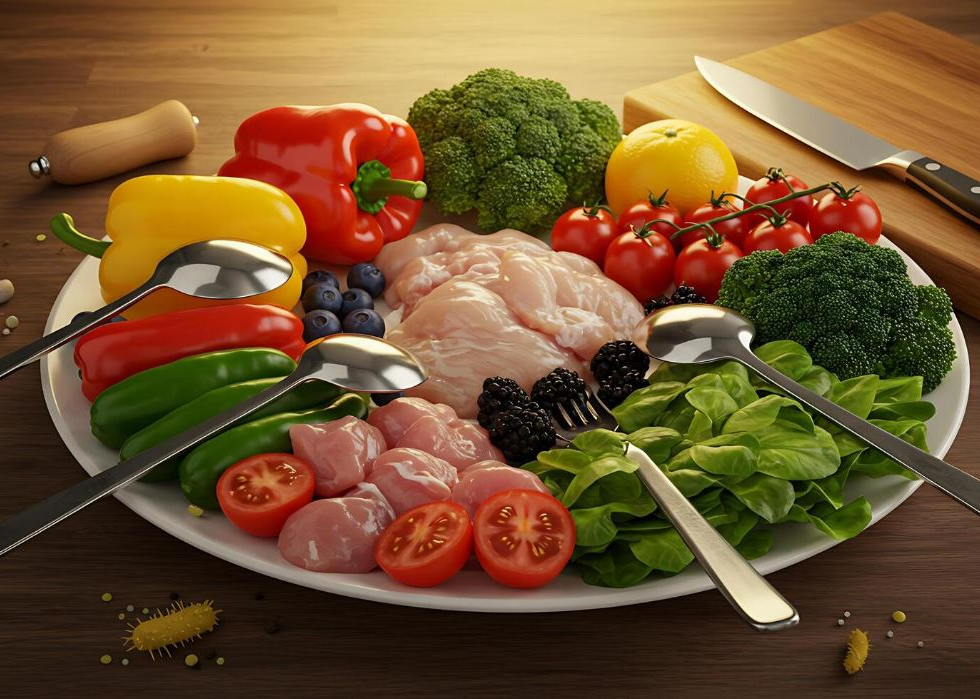
Quality and balance of food are the fundamental pillars of a healthy diet.
It’s not just about eating the right amount (portion size) at the right time (regular meals), but also about the nutritional value and composition of what you eat.
Food quality: choosing whole foods
Quality foods are those that are minimally processed and contain a lot of natural nutrients. This provides your body with the substances it needs to function optimally:
Food category | Preferred choice (Quality) | Foods to avoid (Low quality) |
Carbohydrates | Whole grains (whole wheat bread, oatmeal, brown rice, quinoa, millet). | White flour and products, desserts, sweetened drinks, highly processed cereals. |
Protein | Lean meat (poultry without skin), fish, eggs, legumes (beans, lentils, chickpeas), natural dairy products | Fatty meat products (salami, sausages), fried cuts of meat. |
Fats | Unsaturated fats (olive oil, nuts, seeds, avocado, oily fish). | Trans fats and hydrogenated fats (often in fast food, margarine, baked goods), excessive amounts of saturated fats. |
Basic foods | Fresh fruits and vegetables (as varied as possible), water, unsweetened tea. | Canned foods with added sugar/salt, sweet carbonated drinks, energy drinks. |
Why is this important?
Low-quality foods often have “empty calories” – a lot of energy, but little vitamins, minerals and fiber. They cause rapid fluctuations in blood sugar and promote inflammatory processes in the body.
Balanced foods: the right proportions
A balanced meal contains an optimal ratio of all three macronutrients (carbohydrates, proteins, fats) and micronutrients (vitamins, minerals).
Macronutrients
- Carbohydrates (OH): The main source of energy. Choosing complex carbohydrates (whole grains, vegetables) is key, as they are digested more slowly and provide longer-lasting energy.
- Proteins: The building blocks of the body, essential for muscles, hormones and the immune system. Include them in every meal to ensure satiety.
- Fats: Essential for the brain, hormones and absorption of certain vitamins. Give priority to unsaturated fats and limit the intake of saturated fats.
The role of fiber
Fiber is one of the most important factors in balance, as it:
- Improves digestion (prevents constipation).
- Prolongs the feeling of satiety, thus preventing overeating.
- Helps regulate blood sugar and cholesterol.
Fiber is introduced with vegetables, fruits, legumes and whole grains.
Rule of thumb: Combine
The most balanced meals are created by combining a source of whole carbohydrates, lean protein, and healthy fats, with half your plate filled with vegetables.
💖 💖 💖 💖 💖 💖
You may like these too
Pancakes
What are pancakes? Pancakes are a thin, baked dish made from a liquid batter, usually made from flou
03.09.2026

Eating Right at Work
Eating right at work is key to overcoming those “office biological traps” we talked abou
03.09.2026
Foods that should not be eaten after their expiration date
When it comes to food, it is crucial to distinguish between two labels: “Best before” (q
03.09.2026
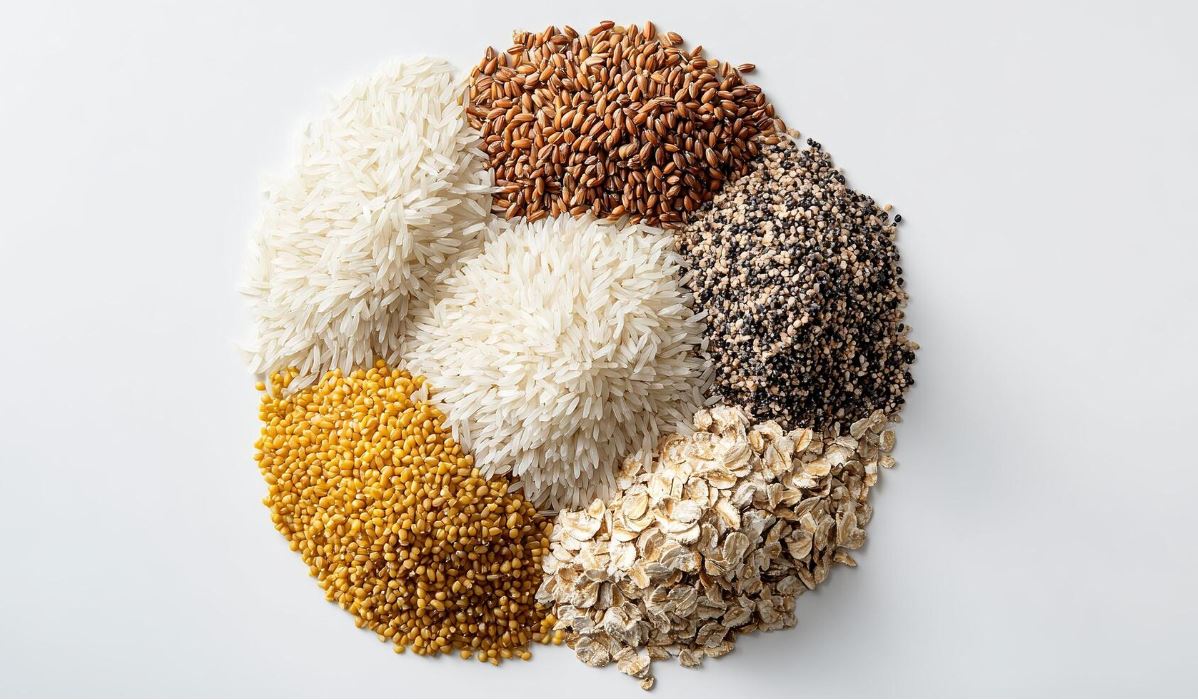
Which grains should be soaked before cooking
Soaking foods is not just an old cooking trick from our grandmothers, but a scientifically supported
01.09.2026