
Abdominal bloating

01.10.2024

Abdominal bloating is a feeling of fullness, tension or pressure in the abdomen. This condition is often caused by gas build-up in the intestines or fluid retention in the stomach, which can cause discomfort or pain. Bloating is very common and usually not serious, but it can be very uncomfortable.
If flatulence lasts longer or is accompanied by severe pain, changes in stool, weight loss or other symptoms, a visit to the doctor is necessary to investigate possible more serious causes.
Causes of flatulence
Overeating:
- Eating too much food in a short period of time can stress the digestive system, causing a feeling of heaviness and bloating.
Eating foods that cause gas:
- Certain foods, such as beans, cabbage, broccoli, onions, carbonated beverages, and fried foods, can cause excessive gas production in the intestines.
Food intolerances:
- Intolerance to certain ingredients such as lactose (dairy products) or gluten (wheat products) can cause flatulence and other digestive problems.
Swallowing air:
- This can happen when you eat or drink quickly, chew gum or drink carbonated drinks.
Closure:
- If stools are not regular, gas can build up in the intestines, causing bloating.
Hormonal changes:
- In women, bloating is a common symptom before or during menstruation due to changes in hormone levels such as estrogen and progesterone.
Irritable Bowel Syndrome (IBS):
- This is a chronic condition that can cause flatulence, along with diarrhea or constipation.
Digestive disorders:
- Diseases such as gastroesophageal reflux disease (GERD), gastritis or celiac disease can cause bloating and discomfort.
Symptoms of bloating
- a feeling of fullness or pressure in the stomach.
- visibly bloated belly.
- excessive release of gases.
- abdominal cramps or pain.
- belching or a feeling of acid in the throat.
How to relieve abdominal bloating
- Changes in diet:
- Avoid foods that cause bloating, such as fried foods, carbonated beverages, legumes, and cruciferous vegetables (eg, broccoli).
- Eat smaller but more frequent meals to avoid overeating.
- Include probiotics in your diet as they can help maintain a healthy gut flora.
- Increase fluid intake:
- Water helps with digestion and reduces the possibility of bloating due to fluid retention.
- Regular physical activity:
- Exercise helps move the bowels and reduces gas formation.
- Avoiding swallowing air:
- Eat slowly, avoid chewing gum and carbonated drinks to reduce air intake in the stomach.
- Herbal teas:
- Teas such as mint, ginger, fennel or chamomile can relieve flatulence and aid digestion.
You may like these too
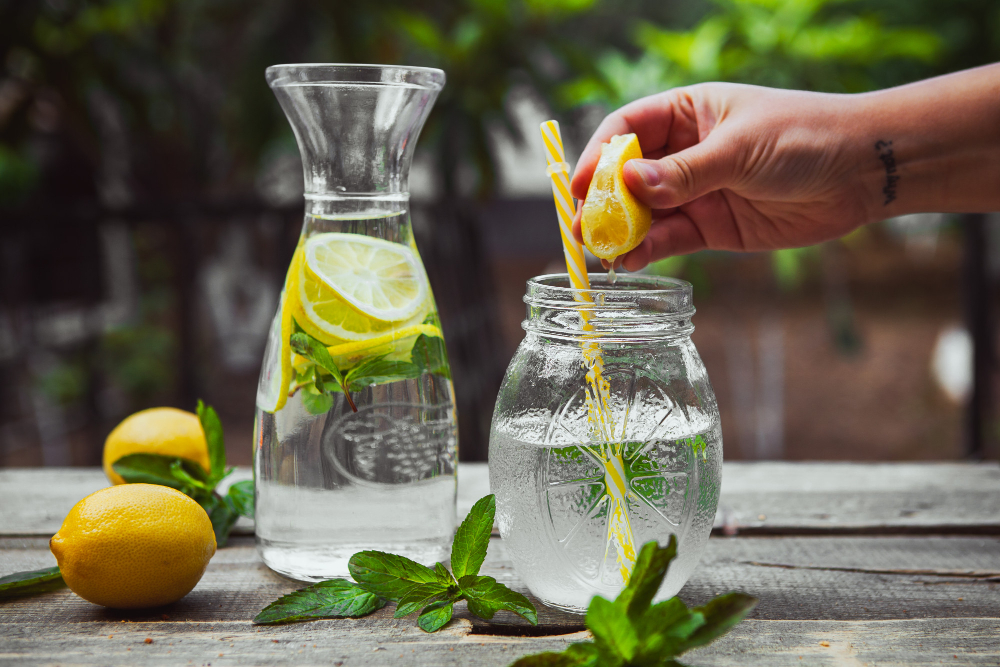
Lemon water
Lemon water – a simple, yet extremely popular drink that many people include in their daily routin
23.07.2026
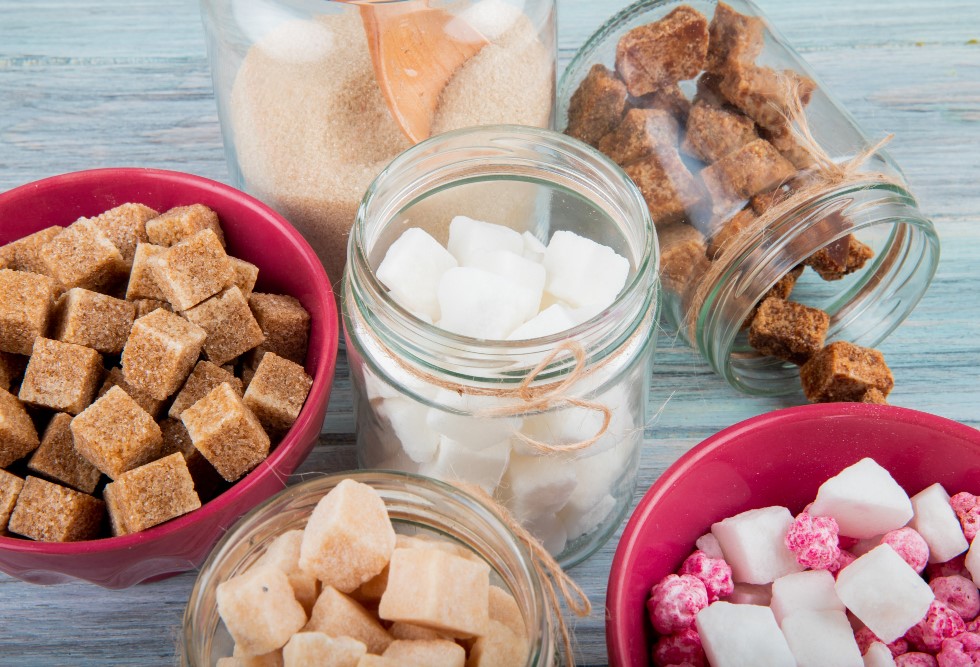
How to Cut Sugar Out of Your Diet
Eliminating or significantly reducing added sugar in your diet doesn’t mean you have to give u
23.07.2026
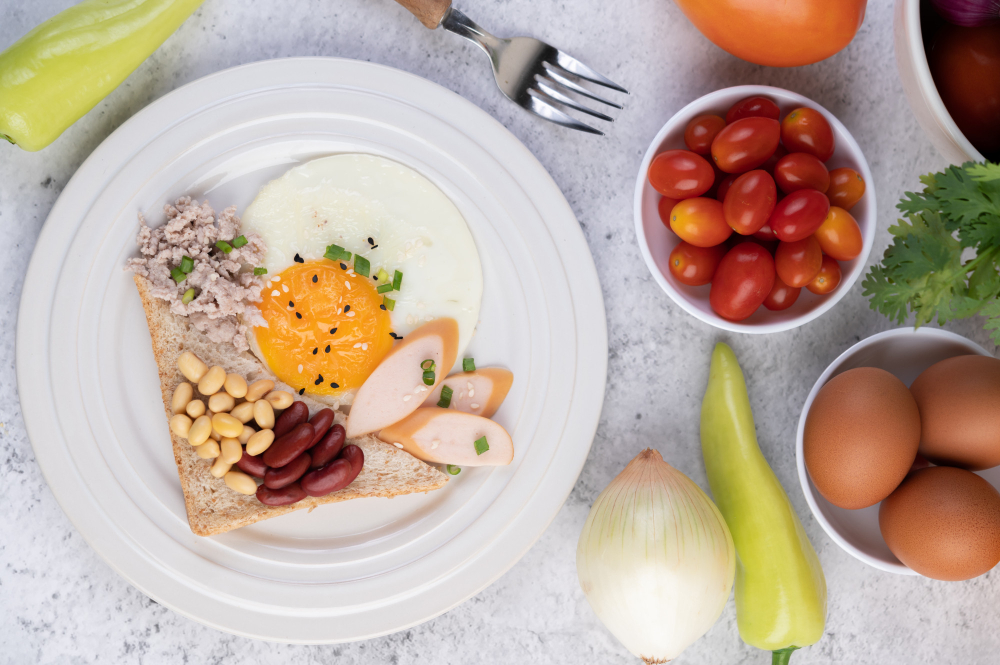
How to make a perfect breakfast plate?
A good breakfast provides your body with energy, helps maintain stable blood sugar, and keeps you fu
23.07.2026
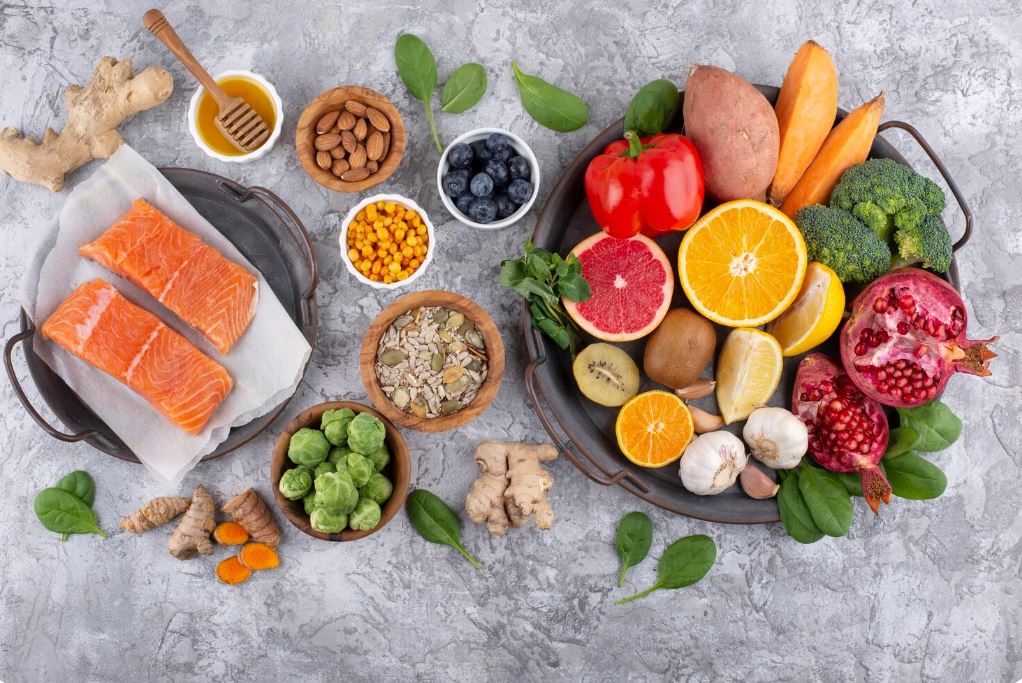
Foods High in Antioxidants
Foods high in antioxidants help protect cells from oxidative stress. They are found mostly in colorf
23.07.2026