Signs of Not Drinking Enough Fluids

13.08.2025

Lack of fluid or dehydration can manifest itself in a variety of ways, from mild to serious symptoms.
Water is essential for every function in our bodies, so proper hydration is extremely important for overall health and well-being.
Signs of Not Drinking Enough Fluids:
Your body will let you know if you are not drinking enough. Look out for the following signs:
- Increased thirst and dry mouth: This is the most obvious sign. By the time you feel thirsty, you are already slightly dehydrated.
- Dark urine and decreased frequency of urination: Light yellow to clear urine indicates good hydration. Darker, more concentrated urine means you are not drinking enough.
- Fatigue and lack of energy: Dehydration can make you feel exhausted and listless, as it affects your energy metabolism.
- Headaches: These often occur as a result of dehydration, as blood volume decreases, which affects the blood vessels in the brain.
- Dry skin and lips: The skin may become less elastic and dry, and the lips may become chapped.
- Muscle cramps: A lack of electrolytes that water carries can lead to muscle cramps.
- Constipation: Water helps soften stools and makes them easier to pass through the intestines. Lack of water is a common cause of constipation.
- Reduced cognitive function: Difficulty concentrating, memory, and a general decrease in thinking ability.
- Irritability: Dehydration can affect your mood.
- Dizziness or lightheadedness: In severe cases of dehydration, a drop in blood pressure can occur.
The importance, benefits, and advantages of drinking enough fluids (water):
Water is the elixir of life and its role in the body is invaluable.
- Body temperature regulation: Water helps regulate body temperature through sweating.
- Transport of nutrients and oxygen: It acts as a solvent and carries nutrients, vitamins, minerals, and oxygen to cells throughout the body.
- Detoxification: Helps the kidneys flush waste and toxins from the body.
- Joint lubrication: Water is a key component of synovial fluid, which lubricates joints and prevents friction.
- Protection of organs and tissues: Acts as a shock absorber for the brain, spinal cord and fetus.
- Improved digestion: Helps break down food and prevents constipation.
- Energy and physical performance: Hydrated muscles work better. Dehydration can reduce physical performance.
- Healthy skin: Water helps keep skin hydrated and elastic, contributing to a healthier appearance.
- Headache and migraine prevention: Many headaches are related to dehydration.
- Weight management support: Water can increase feelings of fullness and boost metabolism.
- Improved concentration and mood: Adequate fluids help the brain function optimally.
Fluid intake guidelines:
The amount of water we need depends on several factors, such as age, physical activity, climate and health. However, there are some general guidelines:
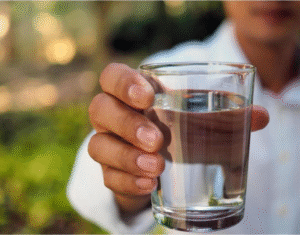
- General recommendation: Most adults should drink at least 8 glasses (about 2 liters) of water per day.
- Adjust your intake:
- Physical activity: Increase your fluid intake during and after exercise.
- Hot climate: Drink more on hot days.
- Illness: Hydration is especially important when you have a fever, vomiting, or diarrhea.
- Pregnancy and breastfeeding: Fluid needs increase.
- Don’t wait until you’re thirsty: Drink water regularly throughout the day, even if you’re not thirsty.
- Include a variety of sources: In addition to plain water, herbal teas, fruits, and vegetables (which are high in water, such as watermelon, cucumbers) are also good sources of fluids.
- Avoid excessive consumption of sugary drinks: Sugary sodas, sugary juices, and energy drinks are not a good substitute for water. They are high in sugar and can actually contribute to dehydration.
- Start your day with water: A glass of water in the morning can revitalise your digestion and body.
Remember: Listen to your body and be proactive about hydration. Drinking enough water is a simple yet extremely effective way to improve your health and vitality.