What is visceral fat?

25.11.2025

Visceral fat is fat that accumulates deep in the abdominal cavity, around internal organs (such as the liver, pancreas, and kidneys).
• Danger: Unlike subcutaneous fat (which you can squeeze), visceral fat is metabolically active. It produces hormones and inflammatory substances (cytokines) that increase the risk of serious health problems, such as:
- Cardiovascular disease
- Type 2 diabetes
- High blood pressure
- High cholesterol
• Cause: It occurs when we take in more calories than we burn. An unhealthy diet, lack of exercise, and stress also contribute to its accumulation.
💪 How to get rid of it?
The good news is that visceral fat responds well to lifestyle changes. The key to reducing it is a holistic approach that mainly covers three areas: diet, exercise, and stress/sleep management.
🍎 Diet
• Limit sugars and processed foods: Drastically reduce your intake of sugary drinks, pastries, white bread, industrially processed foods, and foods high in refined carbohydrates.
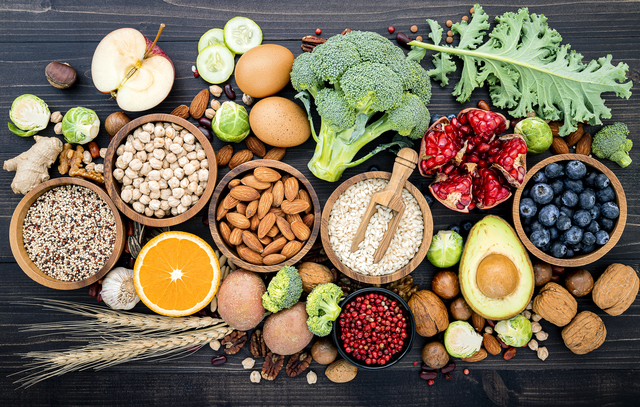
• Increase your fiber and protein intake:
- Fiber (whole grains, legumes, fruits, and vegetables) helps with satiety and slows down digestion.
- Protein (lean fish, poultry, eggs, legumes) builds muscle and speeds up metabolism.
• Healthy fats: Eat healthy fats, such as those found in nuts, seeds, avocados, and olive oil.
• Limit alcohol: Alcohol contains a lot of “empty” calories and can contribute to fat accumulation.
🏃 Exercise
• Aerobic exercise (cardio): It is most effective for burning visceral fat. Aim for at least 150 minutes of moderate aerobic activity per week (e.g. brisk walking, running, swimming, cycling) or 75 minutes of high-intensity exercise (e.g. HIIT).
• Strength training (weight training/body weight): This is important for increasing muscle mass, as muscles burn more energy even at rest. Include it at least 2 times a week.
• Regularity: Regular, daily activity is key – even if it’s just a 30-minute walk.
😴 Sleep and stress
• Stress management: Chronic stress increases levels of the hormone cortisol, which promotes the accumulation of visceral fat. Relaxation techniques such as yoga, meditation, deep breathing or walks in nature can help.
• Quality sleep: Get 7 to 9 hours of quality sleep per night. Lack of sleep disrupts the hormones that regulate hunger and appetite.
If you are concerned about the amount of visceral fat, it is always best to consult your personal doctor, who can provide individual advice based on your health condition.