
Reading Food Labels

12.11.2026
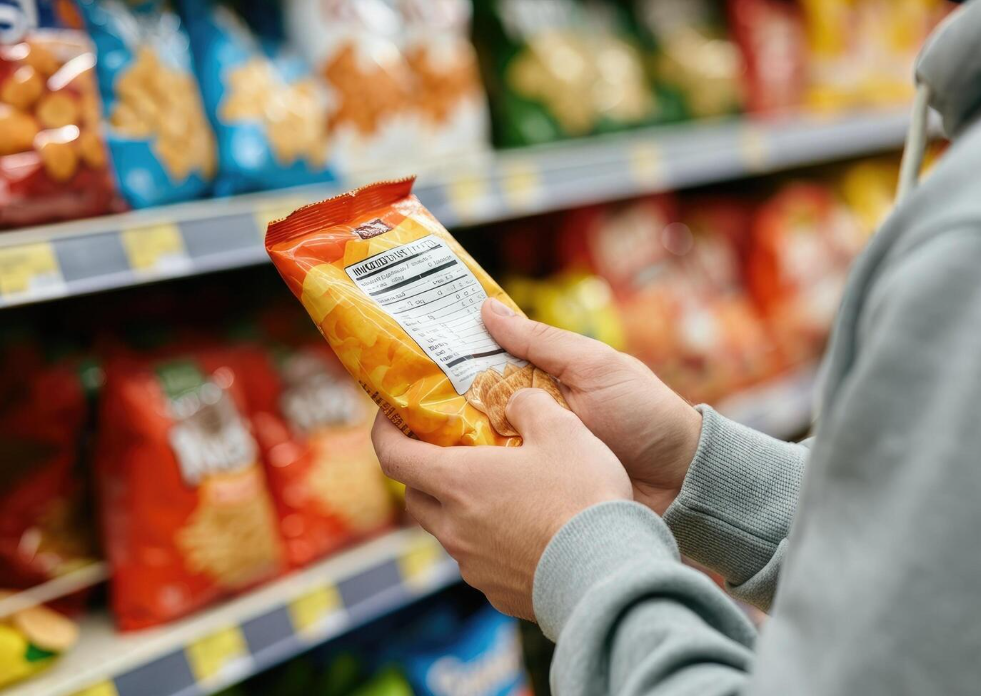
Reading Food Labels – How to Read Them Correctly and Why?
Food labels are an important source of information that helps us choose higher-quality and healthier products.
Reading them makes it easier to compare products, identify hidden ingredients, and avoid foods that contain excessive amounts of sugar, salt, or unnecessary additives.
Why is it important to read food labels?
• They enable more informed food choices.
• They help reduce the intake of sugar, salt, and unhealthy fats.
• They alert you to allergens and ingredients you may wish to avoid.
• They help determine the level of food processing.
• They allow for the comparison of similar products from different manufacturers.
What should you look out for?
Ingredient List
Ingredients are always listed in order of quantity—from the ingredient present in the largest amount to the one present in the smallest amount.
If sugar, glucose syrup, or refined flour appear among the first few ingredients, the product is generally of lower quality.
Recognizing Different Names for Sugar
Sugar can be hidden under various names, such as:
• glucose syrup,
• glucose-fructose syrup,
• fructose,
• dextrose,
• sucrose,
• maltose,
• invert sugar,
• honey, agave syrup, or rice syrup.
If several different forms of sugar are listed among the first ingredients, the total sugar content may be quite high. Nutrition Table
The easiest way to compare values is by looking at the content per 100 g or 100 ml of the product.
Pay special attention to:
• the amount of sugars,
• saturated fats,
• salt,
• dietary fiber,
• protein.
Serving Size
Manufacturers often list nutritional values per serving, which may be significantly smaller than the actual amount consumed. Therefore, always check the data provided per 100 g or 100 ml as well.
Allergens
Allergens are specifically highlighted on the label (usually in bold). This is important for anyone with allergies or intolerances.
Shelf Life / Expiry Date
There is a distinction between:
• “Best before” – the food is often still safe to consume after this date, provided it has been stored correctly.
• “Use by” – it is not recommended to consume the food after this date.
Don’t be misled by claims on the packaging
Labels such as:
• “fit,”
• “natural,”
• “no added sugar,”
• “light,”
• “source of vitamins”
do not necessarily mean that the product is healthy. Always check the ingredient list and the nutrition table.
A Simple Tip
Before making a purchase, ask yourself three questions:
✔️ Do I recognize most of the ingredients?
✔️ Is the ingredient list short and easy to understand?
✔️ Does the product contain low amounts of added sugar, salt, and saturated fats?
If the answer is yes, it is usually a better choice.
The best foods often do not require a label at all – fresh fruit, vegetables, legumes, nuts, seeds, eggs, and other minimally processed foods remain the foundation of a balanced diet.
🌸 🌸 🌸 🌸 🌸 🌸
You may like these too
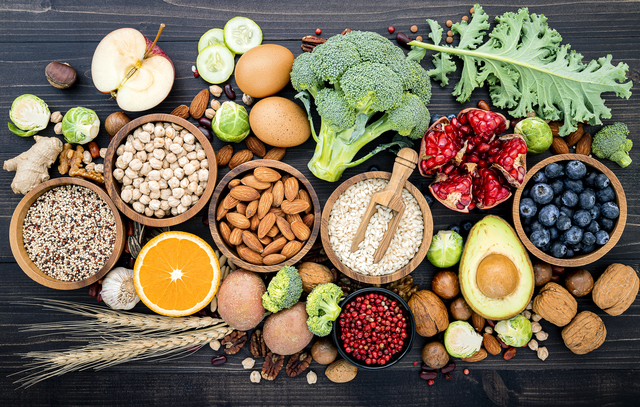
Foods to Include in Your Daily Diet
Food is fuel for our body. By choosing high-quality foods, we can do a great deal every day for our
12.11.2026
The Secret to a Healthy Lifestyle
A healthy lifestyle is not just a one-time decision; it is the way we care for our body, mind, and w
12.11.2026
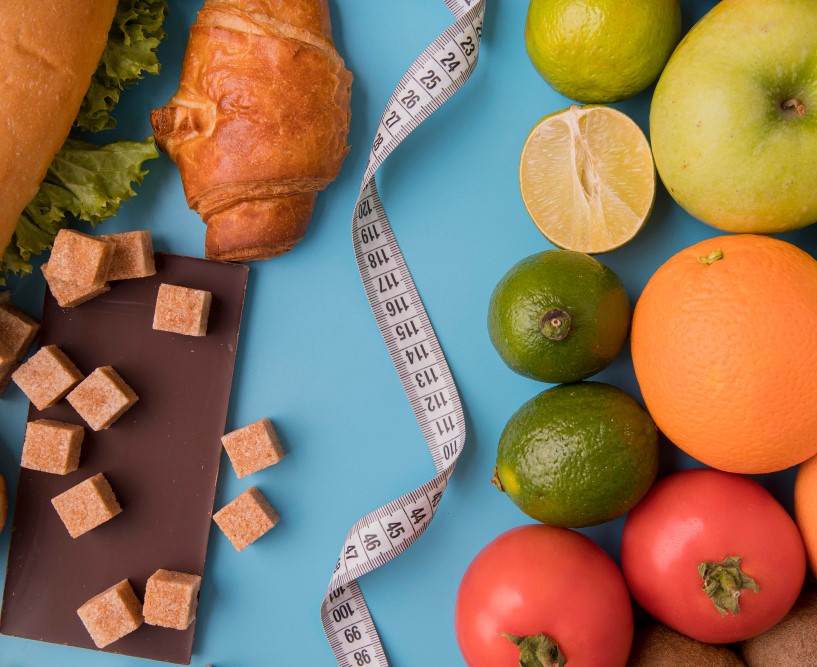
Simple Ways to Reduce Calorie Intake
Many people believe that losing weight requires eating very little. In reality, what you eat is far
12.11.2026
Reading Food Labels
Reading Food Labels – How to Read Them Correctly and Why? Food labels are an important source of i
12.11.2026