
Proper digestion

12.11.2026
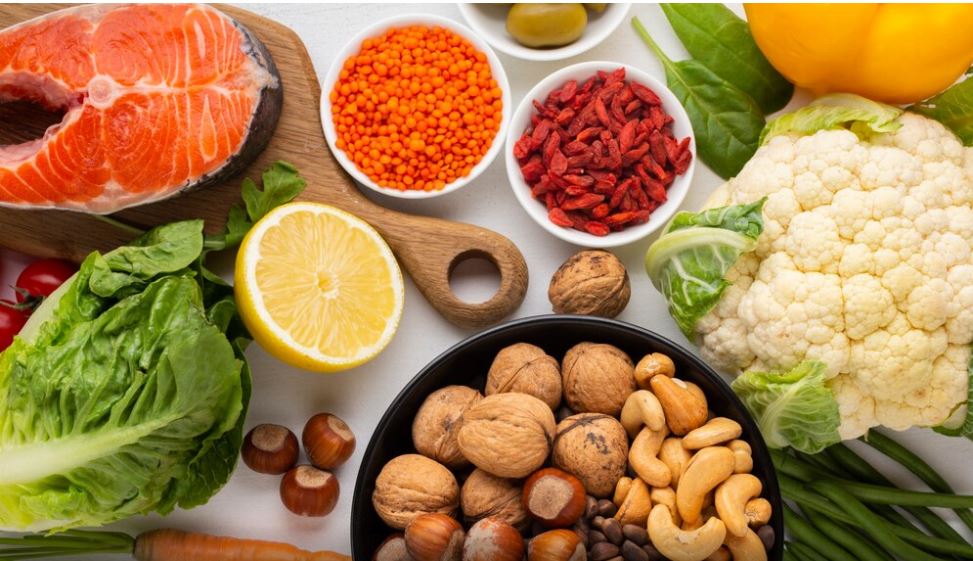
Proper digestion and regular bowel movements are crucial for overall well-being, energy levels, and immune system health.
Constipation, bloating, and irregular bowel movements are often the result of a modern lifestyle, stress, and dietary habits.
- Diet: The Building Blocks of Good Digestion
Increase your fiber intake (gradually):
- Fiber softens stool and adds bulk, which stimulates intestinal contractions.
- Consume vegetables (especially leafy greens, carrots, and broccoli), fruits (plums, figs, apples, and berries), legumes, oats, and whole grains.
- Note: Add fiber gradually; increasing it too quickly can cause gas and bloating.
Use natural laxative foods:
- Prunes or dried figs: Soak them in water overnight, then drink the liquid and eat the fruit in the morning.
- Ground flaxseeds and chia seeds: When they come into contact with water, they form a mucilaginous substance that helps stool pass more easily through the intestines. Mix a tablespoon of ground flaxseeds into yogurt or water.
- Psyllium (psyllium husk): An exceptionally effective source of soluble fiber. It is important to drink plenty of water when consuming it. Probiotics and
Fermented Foods:
- A healthy gut microbiota is crucial. Include kefir, homemade yogurt, sauerkraut or fermented turnips, and kimchi in your diet.
- Hydration: Fiber Doesn’t Work Without Water
- Drink enough water: Fiber only works if you consume sufficient fluids. Drink at least 1.5 to 2 liters of water or unsweetened tea per day.
- Warm water in the morning: As soon as you wake up, drink a glass of warm water (optionally with a few drops of lemon juice). This triggers the “gastrocolic reflex,” which stimulates bowel activity.
- Body Position and Bowel Habits
- Proper positioning on the toilet (squatting position):
- Standard toilet bowls place the body at a 90° angle, which compresses the puborectalis muscle and makes the passage of stool more difficult.
- Place a small stool (about 15–20 cm high) under your feet to raise your knees above the level of your hips (a 35° angle). This position straightens the colon, allowing for unobstructed evacuation without straining.
- Don’t hold it in: When you feel the urge to have a bowel movement, go to the toilet immediately. Holding it in causes the bowel to absorb extra water from the stool, making it harder and more difficult to pass.
- Avoid straining: Excessive straining can lead to the development of hemorrhoids or anal fissures.
- Movement and Breathing
- Regular physical activity: Daily walking (at least 20–30 minutes), running, swimming, or yoga physically stimulates peristalsis (the contraction) of the intestines.
- Abdominal massage: Lie on your back and gently massage your abdomen with your fingers in a clockwise direction (starting from the lower right, moving up toward the ribs, across to the left, and down). This follows the natural path of the large intestine.
- Deep abdominal breathing: Diaphragmatic breathing massages the internal organs and activates the parasympathetic nervous system, which regulates digestion.
- Stress Management
- The gut and the brain are directly connected via the vagus nerve (the gut-brain axis). Chronic stress can cause a slowdown or spasms in the digestive tract.
- Take time for calm meals, chew your food thoroughly (at least 15–20 times per bite), and avoid using your phone or watching television while eating.
When to See a Doctor?
Occasional constipation is a normal occurrence; however, you should consult a doctor if you notice:
- A sudden change in bowel habits that lasts for more than 2–3 weeks.
- Blood in your stool, or stool that is very dark or black.
- Unexplained weight loss or severe abdominal pain.
- Constipation that does not improve despite changes to your diet and lifestyle.
🌸 🌸 🌸 🌸 🌸 🌸
You may like these too
Foods to Include in Your Daily Diet
Food is fuel for our body. By choosing high-quality foods, we can do a great deal every day for our
12.11.2026
The Secret to a Healthy Lifestyle
A healthy lifestyle is not just a one-time decision; it is the way we care for our body, mind, and w
12.11.2026
Simple Ways to Reduce Calorie Intake
Many people believe that losing weight requires eating very little. In reality, what you eat is far
12.11.2026
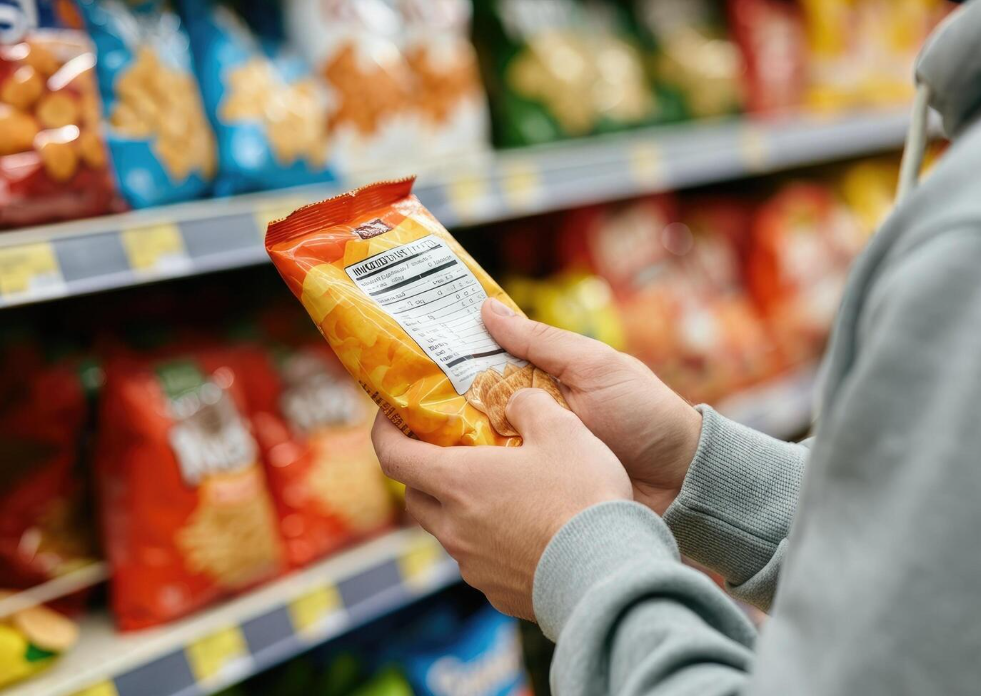
Reading Food Labels
Reading Food Labels – How to Read Them Correctly and Why? Food labels are an important source of i
12.11.2026