
Benefits od edible pumpkins

25.10.2024

Edible pumpkins have many benefits, both in nutrition and health. They belong to a very nutritious food that is rich in vitamins, minerals and fiber, but at the same time has few calories. Eating edible pumpkins is therefore an excellent way to maintain health, improve well-being and introduce important nutrients into your daily diet.
Rich in vitamins and minerals
- Vitamin A: Pumpkins contain a lot of beta-carotene, which is converted in the body to vitamin A. This vitamin is important for the health of the eyes, skin and immune system.
- Vitamin C: Helps strengthen the immune system, improves iron absorption and acts as a powerful antioxidant.
- Potassium: Helps regulate blood pressure, fluid balance and support heart function.
Fiber content
Pumpkins are rich in fiber, which contributes to the health of the digestive system. Fiber aids digestion, prevents constipation and improves bowel function. They can also reduce the risk of developing cardiovascular diseases, as they lower the level of bad cholesterol.
Low calorie
Despite the rich nutritional composition, pumpkins have a low caloric value, so they are an excellent choice for those who want to lose or maintain body weight. 100 grams of pumpkin contains only about 26 calories.
Antioxidants
Pumpkins contain powerful antioxidants such as beta-carotene, vitamin C and other phytonutrients. Antioxidants help protect the body from oxidative stress caused by free radicals, which can help prevent chronic diseases, including cancer and heart disease.
Eye health
Due to the high content of beta-carotene, pumpkins are extremely beneficial for eye health. Beta-carotene helps prevent macular degeneration, the leading cause of blindness in older adults, and reduces the risk of cataracts.
Immune system support
The high content of vitamin A and vitamin C helps strengthen the immune system. Vitamin A is crucial for the formation of mucous membranes in the body, which serve as the first line of defense against infection, while vitamin C stimulates the production of white blood cells that fight pathogens.
Skin health
The antioxidants and vitamins in pumpkins contribute to healthy skin. Vitamin A helps in the renewal of skin cells, while beta-carotene protects the skin from damage caused by UV rays and accelerates its regeneration.
Cardiovascular health
Because of their high potassium, fiber and antioxidant content, pumpkins help lower blood pressure, improve cholesterol levels and overall heart health. Potassium helps maintain balanced blood pressure, and fiber reduces the risk of atherosclerosis.
They strengthen bones
Pumpkins are a good source of minerals such as magnesium and calcium, which are essential for bone health. By regularly eating pumpkins, you can contribute to the prevention of osteoporosis and other skeletal problems.
Various uses
Edible pumpkins are versatile in cooking. You can cook them, bake them, prepare soups, purees, desserts, salads or use them as a substitute for pasta (e.g. spaghetti squash). Due to their neutral taste, they combine well with various spices and ingredients.
You may like these too
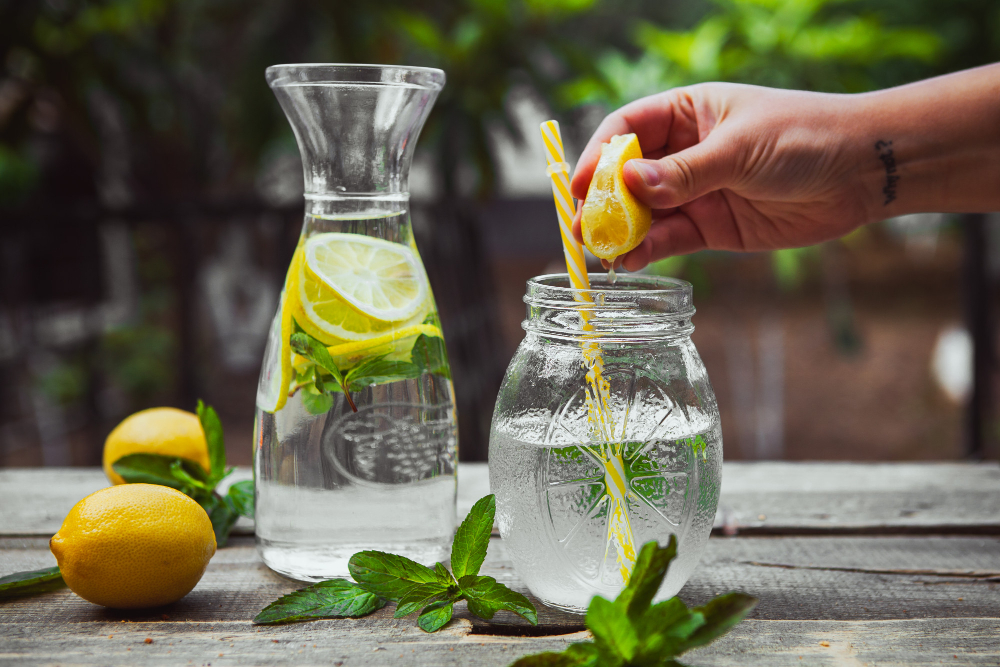
Lemon water
Lemon water – a simple, yet extremely popular drink that many people include in their daily routin
23.07.2026
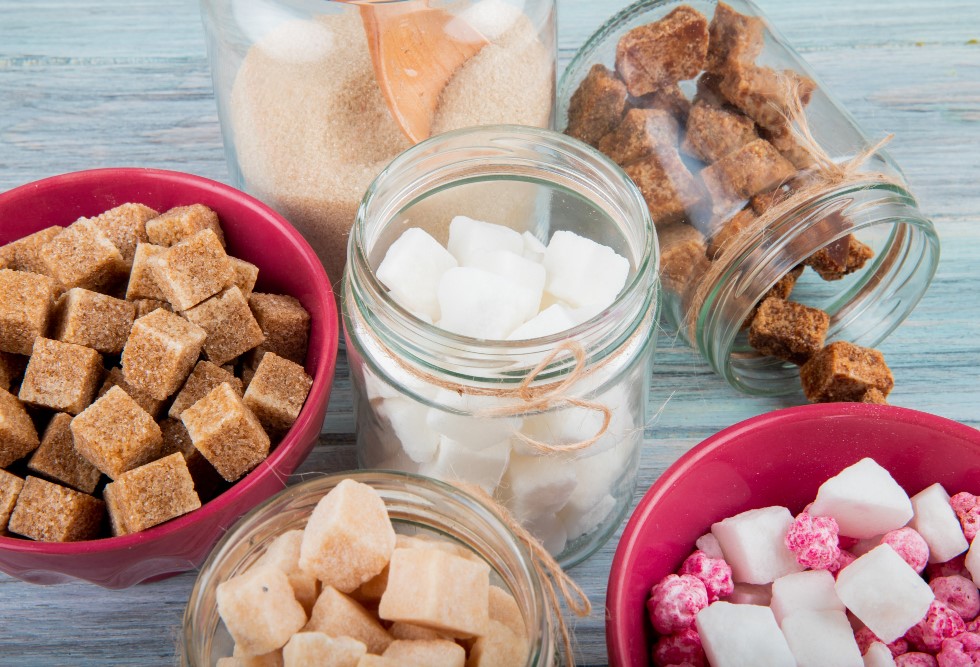
How to Cut Sugar Out of Your Diet
Eliminating or significantly reducing added sugar in your diet doesn’t mean you have to give u
23.07.2026
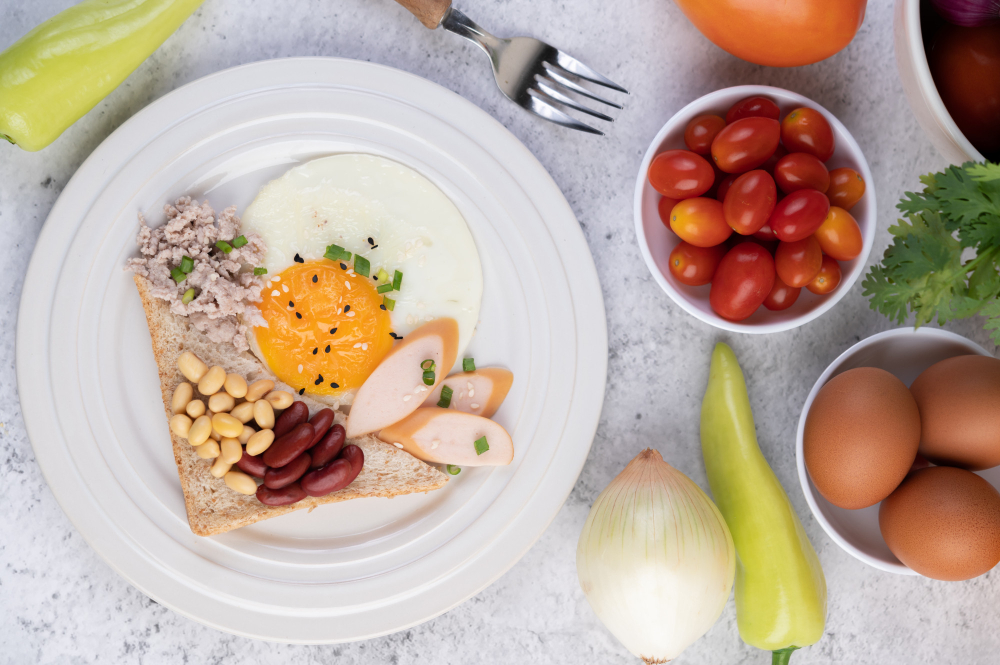
How to make a perfect breakfast plate?
A good breakfast provides your body with energy, helps maintain stable blood sugar, and keeps you fu
23.07.2026
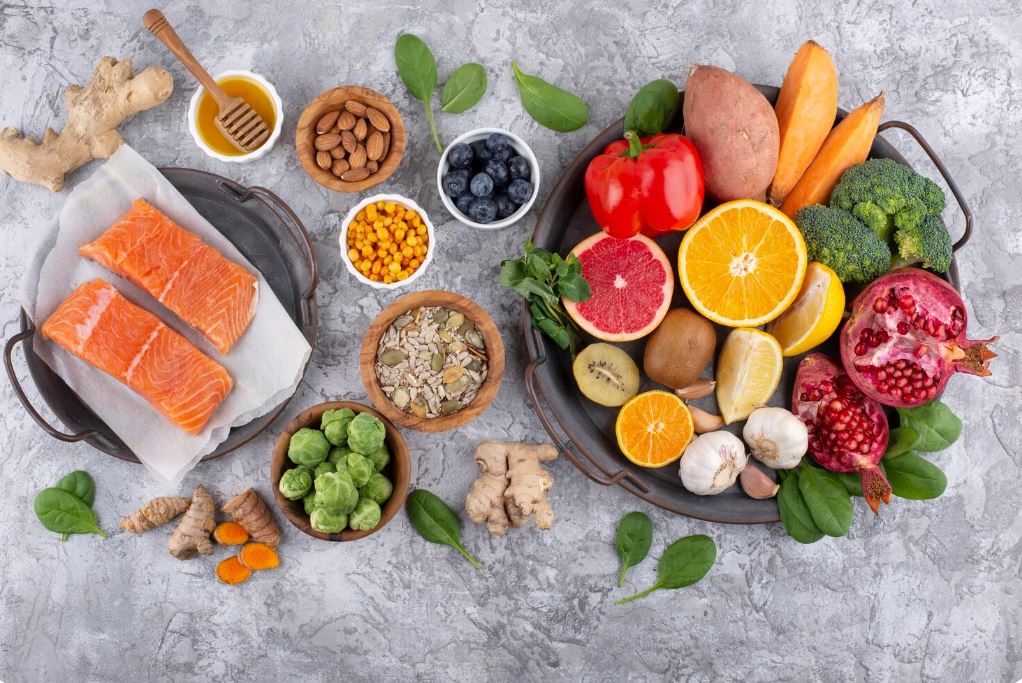
Foods High in Antioxidants
Foods high in antioxidants help protect cells from oxidative stress. They are found mostly in colorf
23.07.2026