
How to strengthen digestion

06.03.2025

There are several simple steps you can take to improve your digestion and maintain a healthy digestive system. Here are some tips that can help you boost your digestion:
Drink plenty of water
Water is essential for proper digestion, as it helps break down food and allows it to move easily through your digestive system. Try to drink at least 8 glasses of water a day. You can also soothe your digestive system with herbal teas (such as mint or chamomile), which are beneficial for digestion.
Eat fiber regularly
Fiber is essential for healthy digestion, as it helps move food through the intestines and prevents constipation. Fiber is found in whole grains, fruits, vegetables, legumes, nuts, and seeds. Try to include more of these foods in your diet.
Eat smaller meals, more often
Instead of eating 2-3 large meals, try eating smaller meals several times a day (e.g. 5-6 smaller meals). This can help ease digestion and prevent bloating or digestive overload.
Increase your intake of fermented foods
Fermented foods like yogurt, sauerkraut, kimchi, and kombucha contain probiotics, which promote gut health and aid in digestion. Probiotics are “good” bacteria that support a healthy balance of microflora in your gut.
Avoid overeating
Overeating can cause bloating and digestive problems. Try eating more slowly so you can better sense when you’re full. This will help prevent overeating and make digestion easier.
Increase your physical activity
Moderate physical activity, such as walking, running, cycling, or yoga, can help move food through your digestive system and improve digestion. Physical activity also increases blood flow to your digestive system, which helps with digestion.
Avoid processed foods
Processed foods, which are high in saturated fat, sugar, and salt, can negatively impact your digestion. Instead, focus on fresh, unprocessed ingredients like fruits, vegetables, whole grains, and healthy fats.
Manage stress
Stress can negatively impact your digestion by causing the release of stress hormones, which can slow down your digestive system. Try incorporating stress management techniques like meditation, deep breathing, or yoga.
Eat slowly and chew your food thoroughly
When you eat, take your time and chew your food thoroughly. This helps with digestion, as the food breaks down in your mouth, making it easier for your digestive system to work through.
Eat healthy fats regularly
Healthy fats, such as those found in avocados, nuts, seeds, and olive oil, support your digestive system and help with nutrient absorption. Healthy fats are also found in fish like salmon and sardines, which are rich in omega-3 fatty acids.
Maintain a healthy gut microflora
In addition to consuming probiotics, you can maintain a healthy gut microflora by consuming prebiotics, which are found in foods like bananas, garlic, onions, leeks, artichokes, and whole grains. Prebiotics encourage the growth of “good” bacteria in the gut.
Reduce your alcohol and caffeine intake
Excessive alcohol and caffeine consumption can irritate the digestive system and cause problems like heartburn, indigestion, and bloating. Try limiting your intake and see how your body responds.
Get enough sleep
A good, long sleep helps all of your body’s systems, including your digestive system, function properly. Make sure you get at least 7-8 hours of sleep a night.
These tips can help you improve your digestion and keep your digestive system working more efficiently. If you have long-term digestive problems, consult your doctor.
You may like these too

Pancakes
What are pancakes? Pancakes are a thin, baked dish made from a liquid batter, usually made from flou
03.09.2026
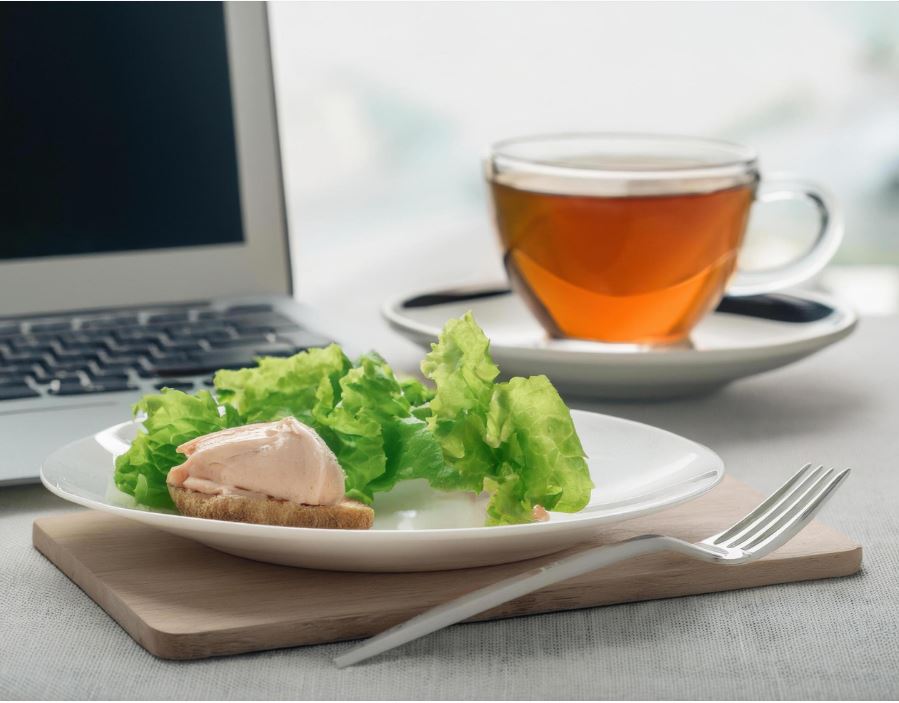
Eating Right at Work
Eating right at work is key to overcoming those “office biological traps” we talked abou
03.09.2026
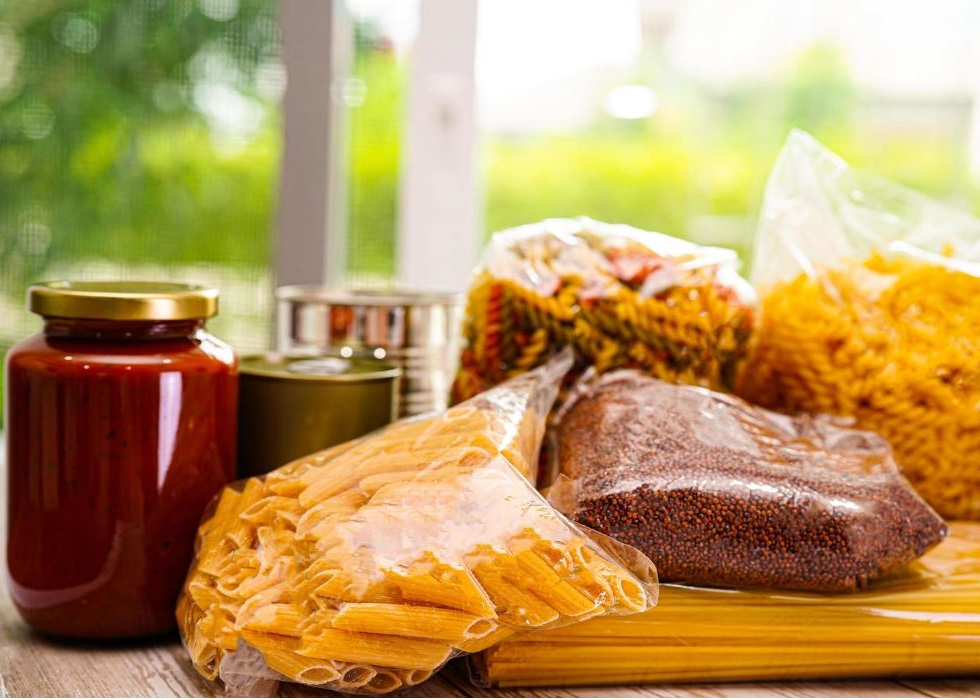
Foods that should not be eaten after their expiration date
When it comes to food, it is crucial to distinguish between two labels: “Best before” (q
03.09.2026
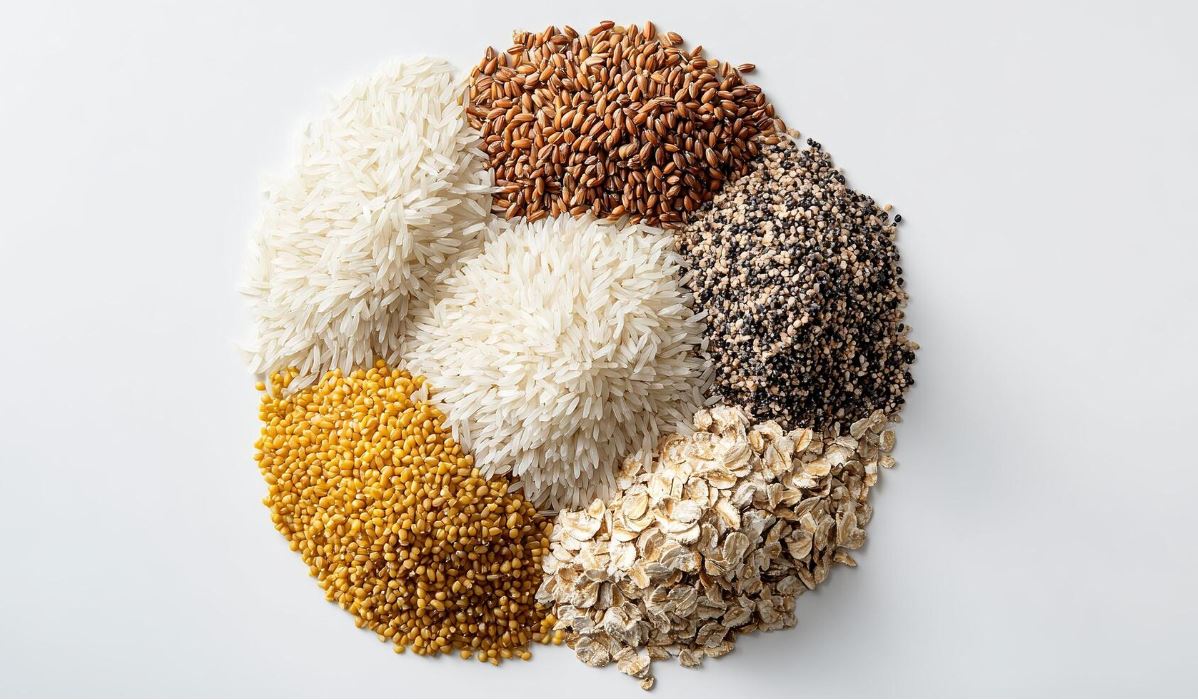
Which grains should be soaked before cooking
Soaking foods is not just an old cooking trick from our grandmothers, but a scientifically supported
01.09.2026