Antioxidant-Rich Diet

27.07.2025

A diet rich in antioxidants is essential for protecting our cells from damage and for overall well-being. Antioxidants are substances that neutralize free radicals, unstable molecules that the body produces as a byproduct of metabolism or in response to environmental factors (e.g., pollution, UV rays, stress). Too many free radicals can cause oxidative stress, which is linked to a variety of chronic diseases, such as heart disease, certain cancers, type 2 diabetes, and degenerative brain diseases.
Benefits of an Antioxidant-Rich Diet
Eating foods rich in antioxidants can provide a number of health benefits:
• Reduces oxidative stress: The main role of antioxidants is to neutralize free radicals, thereby reducing damage to cells and tissues.
• Strengthens the immune system: Antioxidants, such as vitamin C, support the function of immune cells and help the body fight infections.
• Improves heart health: They may help improve blood vessel function, reduce the oxidation of LDL cholesterol (bad cholesterol), and lower blood pressure.
• Supports brain health: Some research suggests that antioxidants may help prevent age-related cognitive decline.
• Improves skin health: They protect the skin from damage caused by UV rays and pollution, and may reduce signs of aging.
• Helps with eye health: They may help prevent or slow the development of age-related macular degeneration and cataracts.
What foods are rich in antioxidants?
The best sources of antioxidants are plant-based foods. There is no single “superfood” that contains all the antioxidants you need, so variety is key. Foods with different colors often contain different types of antioxidants.
Here is a list of foods that are especially rich in antioxidants:
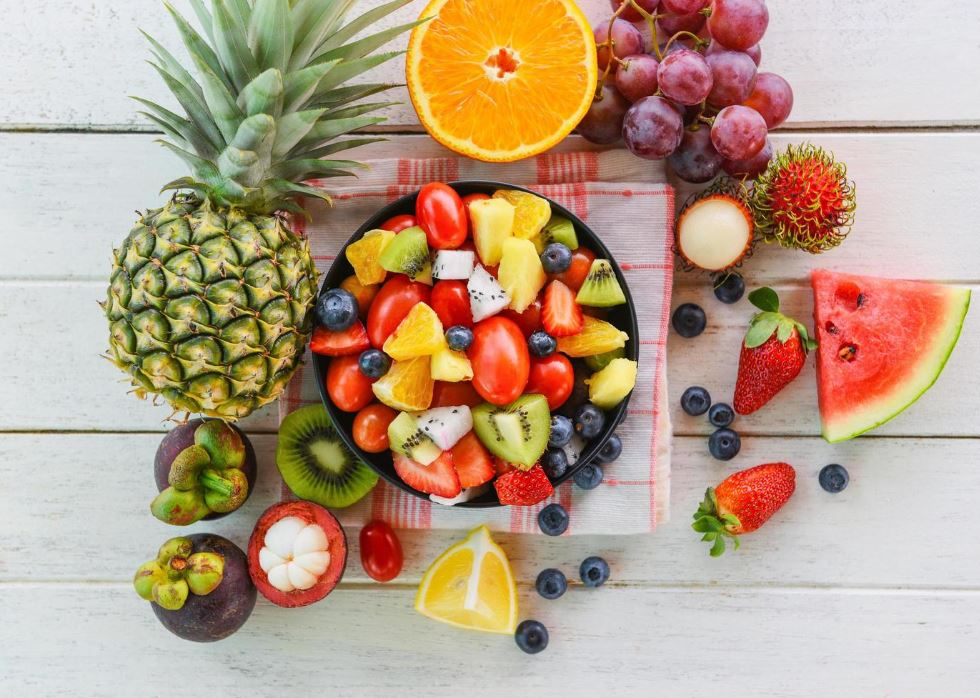
Berries: Blueberries, raspberries, strawberries, blackberries, and chokeberries are extremely rich in antioxidants, especially anthocyanins, which give them their intense color.
Dark leafy greens: Spinach, kale, Swiss chard, and arugula are full of vitamins C and E, beta-carotene, and various flavonoids.
Colorful vegetables:
- Carrots, sweet potatoes, pumpkins: Rich in beta-carotene (a precursor to vitamin A).
Broccoli, cauliflower, Brussels sprouts: Cruciferous vegetables that contain isothiocyanates and other antioxidants.
- Tomatoes: Source of lycopene, a powerful antioxidant that is better absorbed if tomatoes are cooked.
- Red cabbage, beetroot: Contain anthocyanins and betalains.
Fruits:
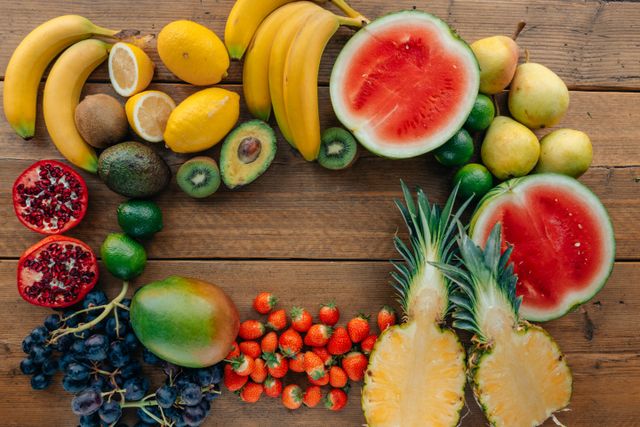
- Citrus fruits (oranges, lemons, grapefruits): Excellent source of vitamin C.
- Apples, grapes, cherries, plums: Rich in flavonoids and other polyphenols.
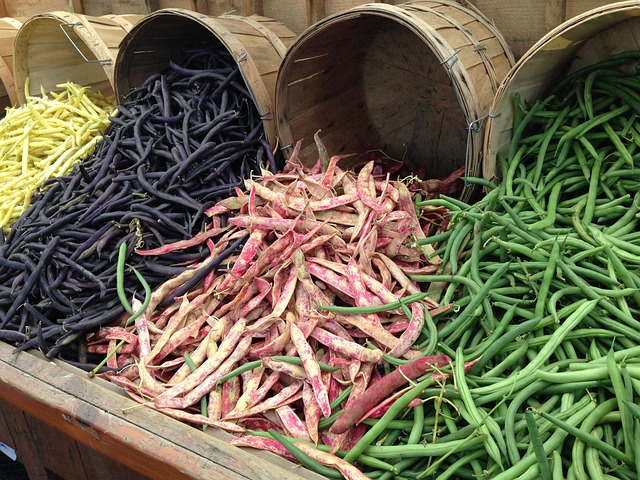
Legumes: Beans, lentils, chickpeas are a good source of fiber and various antioxidants.
Nuts and seeds: Almonds, walnuts, pecans, chia seeds, flax seeds, and sunflower seeds are rich in vitamin E, selenium, polyphenols, and healthy fats.
Spices and herbs: Many spices and herbs are extremely concentrated sources of antioxidants. These include turmeric, cinnamon, oregano, thyme, ginger, garlic, parsley, and basil.
Green tea: Contains high amounts of catechins, a type of flavonoid with powerful antioxidant activity.
Dark chocolate: Cocoa beans are rich in flavonoids and other polyphenols. Choose chocolate with a high cocoa content (at least 70%).
How to include more antioxidants in your diet?
• Eat a variety of fruits and vegetables every day. Try to include as many colors as possible.
• Add berries to your breakfast with oatmeal or yogurt.
• Use a variety of spices and herbs when cooking.
• Include fresh fruits and vegetables in smoothies.
• Choose nuts, seeds, or fresh fruit for snacks.
• Drink gree0n tea instead of sugary drinks.
By eating a varied diet rich in plant-based foods, you will provide your body with a wide range of antioxidants that will protect it from damage and support your overall health and vitality.