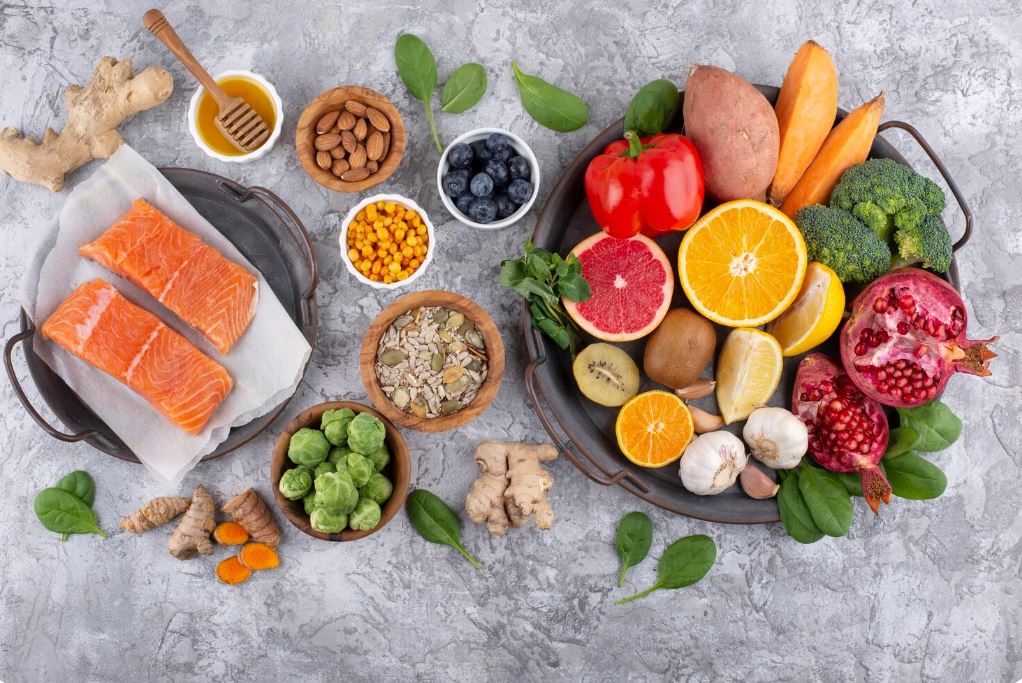
Superfoods that would be good to eat every day

29.09.2025

The term “superfood” refers to foods that are exceptionally rich in nutrients, such as vitamins, minerals, antioxidants, fiber, and healthy fats. While no single food can solve all your health problems, incorporating these foods into your daily diet can make a significant contribution to better health and disease prevention.
Here is a list of some superfoods that you should eat every day or as often as possible, along with their main benefits.
Vegetables and Fruits
Dark leafy greens (spinach, kale, Swiss chard):
§ Benefits: Rich in vitamins K, A, and C, folate, iron, magnesium, and calcium. Contains powerful antioxidants and phytochemicals that help reduce inflammation and protect cells from damage.
§ How to include them: Add them to smoothies, salads, soups, sauces, egg dishes, or simply steam them as a side dish.
Berries (blueberries, raspberries, strawberries, blackberries):
§ Benefits: Full of antioxidants (especially anthocyanins), which help fight free radicals and protect the brain. Rich in fiber and vitamin C.
§ How to include: In oatmeal, yogurt, smoothies, as a snack or topping for salads. Frozen berries also retain most of their nutrients.
Broccoli and other cruciferous vegetables (cauliflower, Brussels sprouts):
§ Benefits: They contain sulforaphane, a compound with powerful anti-cancer properties. They are rich in fiber, vitamins C and K.
§ How to include: Steam, bake, add to soups or salads.
Avocado:
§ Benefits: An excellent source of healthy monounsaturated fats (important for heart and brain health), fiber, potassium, and vitamins K, C, E and B. Helps absorb nutrients from other foods.
§ How to include: In salads, spreads (guacamole), smoothies or as a breakfast addition (e.g. with eggs).
Sweet potatoes:
§ Benefits: Rich in beta-carotene (which is converted to vitamin A in the body), fiber, vitamin C and B6. Stabilizes blood sugar and is good for digestion.
§ How to include: Baked, boiled, in soups or as a side dish.
Grains, legumes and seeds
Oatmeal:
§ Benefits: An excellent source of soluble fiber (beta-glucans), which help lower cholesterol and stabilize blood sugar. Provides long-lasting energy.
§ How to include: For breakfast in the form of porridge, added to baking or smoothies.
Chia seeds and flax seeds:
§ Benefits: Extremely rich in omega-3 fatty acids (ALA), fiber and protein. They aid in digestion and provide a feeling of satiety.
§ How to include: In yogurt, smoothies, oatmeal, as an addition to salads or in baking.
Nuts (almonds, walnuts):
§ Benefits: A source of healthy fats, protein, fiber, vitamins (especially vitamin E) and minerals (magnesium). Walnuts are especially rich in omega-3 fatty acids.
§ How to include: As a snack (in moderation, due to its high calorie content), an addition to salads, oatmeal, or in homemade energy bars.
Protein and healthy fats
Oily fish (salmon, mackerel, sardines):
§ Benefits: An exceptional source of omega-3 fatty acids, which are essential for brain health, heart health, reducing inflammation and overall health. They are also rich in protein and vitamin D.
§ How to include: Baked, grilled, boiled, in salads. Aim for at least 2 servings per week.
Eggs:
§ Benefits: A complete source of protein with all the essential amino acids. They also contain lutein and zeaxanthin (for eye health) and choline (important for the brain).
§ How to include: For breakfast (scrambled, boiled, on the eye), in salads or as an addition to dinner.
Extra virgin olive oil:
§ Benefits: Rich in monounsaturated fatty acids and antioxidants (polyphenols), which have anti-inflammatory and heart-protecting effects.
§ How to include: For salad dressings, for cooking (but not at too high temperatures), as an addition to soups or vegetables.
Fermented foods and spices
Yogurt or kefir (unsweetened):
§ Benefits: An excellent source of probiotics (beneficial bacteria for the gut), which support digestion and strengthen the immune system. Rich in protein and calcium.
§ How to include: For breakfast, as a snack or as a base for smoothies. Choose natural, unsweetened versions.
Garlic:
§ Benefits: Contains allicin and other sulfur compounds that have powerful antimicrobial, anti-inflammatory, and immune-boosting properties.
§ How to include: In a variety of dishes, from soups and sauces to marinades.
Turmeric:
§ Benefits: The main active ingredient, curcumin, is a powerful antioxidant and has pronounced anti-inflammatory properties.
§ How to include: In curries, soups, smoothies, “golden milk.” For better absorption, always enjoy it with black pepper.
Important note: Remember that the key to a healthy diet is variety. Instead of focusing on just one or two “superfoods,” try to include a wide range of whole, unprocessed foods in your diet. It’s also important to listen to your body and choose foods that really suit you.