Gut flora

Irena Rosič
27.11.2025

3 min reading time
Gut flora, also known as gut microbiota or microbiome, refers to the collection of microorganisms, mainly bacteria, but also fungi, viruses and other microbes, that live in our digestive tract, especially in the intestines. These microorganisms play a key role in many bodily processes and are essential for our health.
Functions of gut flora:
Digestion of food:
- Some substances, mainly fiber and carbohydrates, that our body cannot directly digest, are broken down by bacteria in the intestines. Microorganisms ferment these substances and produce beneficial compounds such as short-chain fatty acids, which are important for gut health.
Support for the immune system:
- Gut flora plays a key role in maintaining the immune system. Good microbes in the intestines help defend against pathogenic microorganisms (harmful bacteria, viruses, etc.) and promote the development of the immune system, which reduces the risk of infections and inflammatory diseases.
Vitamin and nutrient synthesis:
- Gut bacteria are involved in the synthesis of some important vitamins, such as vitamin K and some forms of vitamin B (e.g. B12, biotin, folic acid).
Protection against pathogens:
- Healthy gut flora competes with pathogenic bacteria for nutrients and space, which prevents the growth of harmful microorganisms. Microflora also strengthens the intestinal barrier, which prevents dangerous microbes and toxins from passing into the bloodstream.
Metabolic regulation:
- Gut microbes influence nutrient metabolism and how the body uses energy from food. Changes in the microbiota are associated with conditions such as obesity, type 2 diabetes, and metabolic syndrome.
Mental health:
- There is evidence that gut flora influences the gut-brain axis, meaning that the state of the microbiome also affects mental health. Gut flora disorders are linked to depression, anxiety, and other mental health conditions.
Factors that affect gut flora:
- Diet: The foods we eat have a major impact on the composition of our gut flora. A diet rich in fiber, fermented foods, and probiotic supplements can promote the growth of beneficial bacteria.
- Antibiotics: Long-term or frequent use of antibiotics can destroy beneficial bacteria, causing an imbalance in the gut flora.
- Stress: Prolonged stress can affect the balance of microorganisms in the gut.
- Diseases: Chronic diseases such as inflammatory bowel diseases (e.g., Crohn’s disease, ulcerative colitis) can disrupt the balance of the microbiome.
Maintaining a healthy gut flora:
- Eating fermented foods: Foods such as yogurt, kefir, sauerkraut, kombucha, and kimchi contain probiotics that help boost good bacteria.
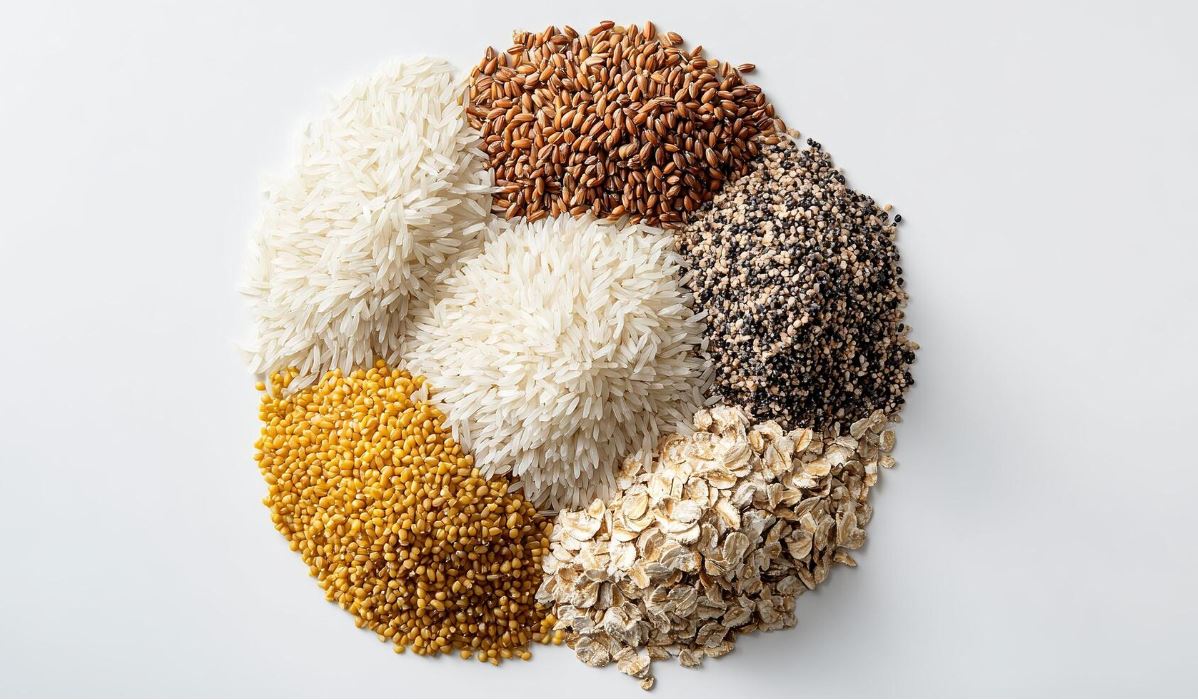
- Increase fiber intake: Vegetables, fruits, whole grains, and legumes contain fiber, which is important for feeding gut bacteria.
- Avoid overuse of antibiotics: Antibiotics can have a detrimental effect on gut flora, so they should only be used when necessary and under medical supervision.
Healthy gut flora is key to a well-functioning digestive system, a strong immune system, and overall health.