
How to take care of your gut flora

27.11.2025

Taking care of your gut flora is crucial for overall health and well-being. A balanced gut microbiome supports digestion, strengthens your immune system, and even impacts your mental health.
Here are some tips on how to maintain a healthy gut flora:
Eat a varied diet
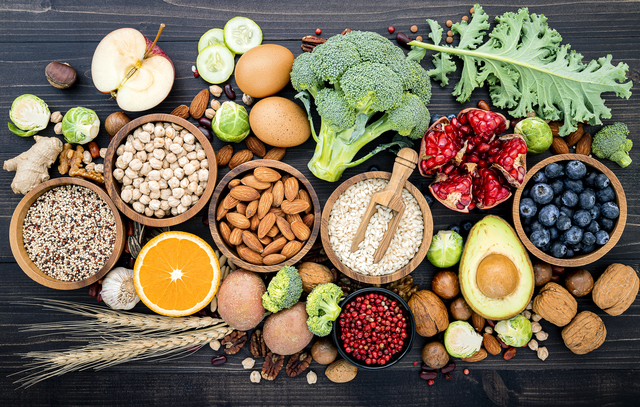
· A varied diet provides a variety of nutrients that encourage the growth of different types of beneficial bacteria in your gut. Include more fruits, vegetables, whole grains, legumes, and seeds, as these foods contain fiber that feeds the good bacteria.
Eat foods rich in fiber
· Dietary fiber is essential for a healthy gut, as it acts as a prebiotic that feeds the good bacteria. Rich sources of fiber include:
- Whole grains (oatmeal, brown rice)
- Fruits (apples, pears, strawberries)
- Vegetables (broccoli, artichokes)
- Legumes (beans, lentils)
- Nuts and seeds (almonds, flaxseeds)
Include fermented foods
· Fermented foods contain natural probiotics that promote the growth of beneficial bacteria. Examples of these foods include:
- Yogurt with live cultures
- Kefir
- Sauerkraut
- Kimchi
- Kombucha (fermented tea)
- Miso (Japanese fermented soybeans)
Consume prebiotics
· Prebiotics are special types of fiber that promote the growth of beneficial bacteria in the gut. Sources of prebiotics include:
- Onions and garlic
- Leeks
- Bananas
- Jerusalem artichokes
- Asparagus
- Whole grains such as oats
Avoid excessive use of antibiotics
· Antibiotics destroy both bad and good bacteria, which can lead to an imbalance in the intestinal flora. If antibiotics are necessary, take them only as directed by your doctor. After completing antibiotic treatment, it is useful to consume probiotics or fermented foods to help your microbiome recover more quickly.
Limit sugar and processed foods
· A diet rich in added sugars and processed foods can disrupt the intestinal flora, promoting the growth of harmful bacteria and reducing the diversity of beneficial bacteria. Avoid carbonated drinks, sweets and fast foods.
Eat healthy fats
· Unsaturated fats, such as those found in fish, olive oil, nuts and seeds, are beneficial for the gut, while too much saturated fat (from red meat, butter, etc.) can negatively affect the microbiome.
Drink enough water
· Hydration supports healthy digestion and keeps food moving through the digestive system, which is beneficial for the gut flora.
Regular physical activity
· Exercise has a positive effect on the gut flora, as it promotes the diversity of microorganisms and increases the number of beneficial bacteria. It is recommended that you regularly engage in sports or other forms of physical activity.
Avoid stress
· Prolonged stress can negatively affect the balance of microorganisms in the gut. Practicing relaxation techniques such as yoga, meditation or breathing exercises can help reduce stress and maintain a healthy gut flora.
Probiotic supplements
· If you are struggling with an imbalance in your gut flora, probiotic supplements may be helpful.
They contain live bacteria that help restore a healthy balance in your gut. However, they should only be taken after consulting your doctor.
Taking care of your gut flora requires persistence and a holistic approach that includes a healthy diet, regular exercise, and stress reduction. A healthy microbiome supports your entire body and improves your quality of life.
❤️❤️❤️
You may like these too
Foods to Include in Your Daily Diet
Food is fuel for our body. By choosing high-quality foods, we can do a great deal every day for our
12.11.2026

The Secret to a Healthy Lifestyle
A healthy lifestyle is not just a one-time decision; it is the way we care for our body, mind, and w
12.11.2026

Simple Ways to Reduce Calorie Intake
Many people believe that losing weight requires eating very little. In reality, what you eat is far
12.11.2026

Reading Food Labels
Reading Food Labels – How to Read Them Correctly and Why? Food labels are an important source of i
12.11.2026