Turnip

11.12.2025

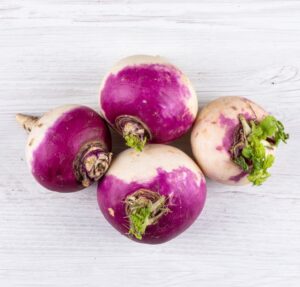
The green leafy vegetable turnip (along with the underground tuber) is, like cabbage, extremely nutritious and important in the traditional Slovenian and general diet.
🥕 Key benefits and advantages of turnip
Turnips, both leaves and tubers, offer numerous benefits. The tuber is a source of complex carbohydrates and minerals, while the leaves (vegetables) are extremely rich in vitamins and antioxidants.
Nutrient richness
• Turnip tuber: It is a low-calorie and good source of vitamin C, which supports the immune system. It also contains potassium and fiber.
• Turnip leaves (green): They are a real vitamin C “booster” and one of the best sources of vitamin K (crucial for bone health and blood clotting), vitamin A (for vision), and folate (vitamin B9), which is important for cell growth.
• Minerals: The tuber and leaves contain important minerals such as calcium and magnesium.
High in antioxidants
• Turnips, especially the leaves, are rich in antioxidants, including glucosinolates (similar to cabbage and broccoli), which are closely linked to reducing the risk of certain types of cancer.
• They help fight free radicals, thereby reducing inflammation and chronic diseases.
Digestive health
• Fiber: Turnips are a rich source of dietary fiber, which is essential for healthy digestion, preventing constipation, and maintaining healthy intestinal flora.
• Fiber also contributes to a feeling of fullness, which is beneficial for weight management.
Supports vascular and heart health
• Potassium: Helps regulate blood pressure.
• Glucosinolates: Some research shows that compounds in turnips have a positive effect on reducing levels of “bad” cholesterol.
• Anti-inflammatory action: Reduces chronic inflammation, which is often the cause of cardiovascular disease.
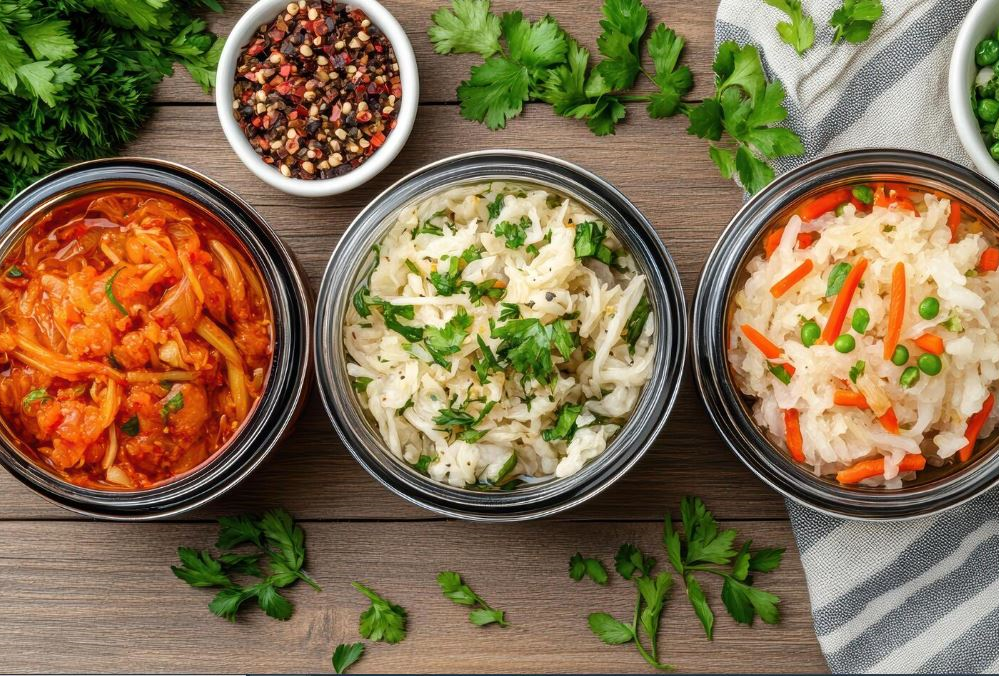
Turnip as a Fermented Food (Sauerkraut)
• Sauerkraut (similar to sauerkraut) is produced by lactic acid fermentation and is an exceptional source of probiotics.
• Probiotics are key for intestinal microbiota and a strong immune system.
🍽️ Importance in nutrition
Turnips are especially valued in traditional winter diets, as the tuber is very resistant and can be stored for a long time, and fermented (sauerkraut) served as a key source of vitamins in winter.
• Leaves (Green): Due to their exceptional vitamin and mineral composition, they are classified as superfoods. They are prepared like spinach or Swiss chard.
• Tubers: Used in soups, stews or purees. Sauerkraut is the basis for hearty winter dishes (e.g. with baked black pudding or meat).
Comparison with cabbage:
Turnips and cabbage belong to the cruciferous family and have similar glucosinolates (anti-cancer compounds). The main difference is that turnip greens (leaves) have an even higher concentration of vitamin K, A, and folate than cabbage, while turnip tubers are a better source of carbohydrates than cabbage.