
Why Exercise Matters

16.03.2026
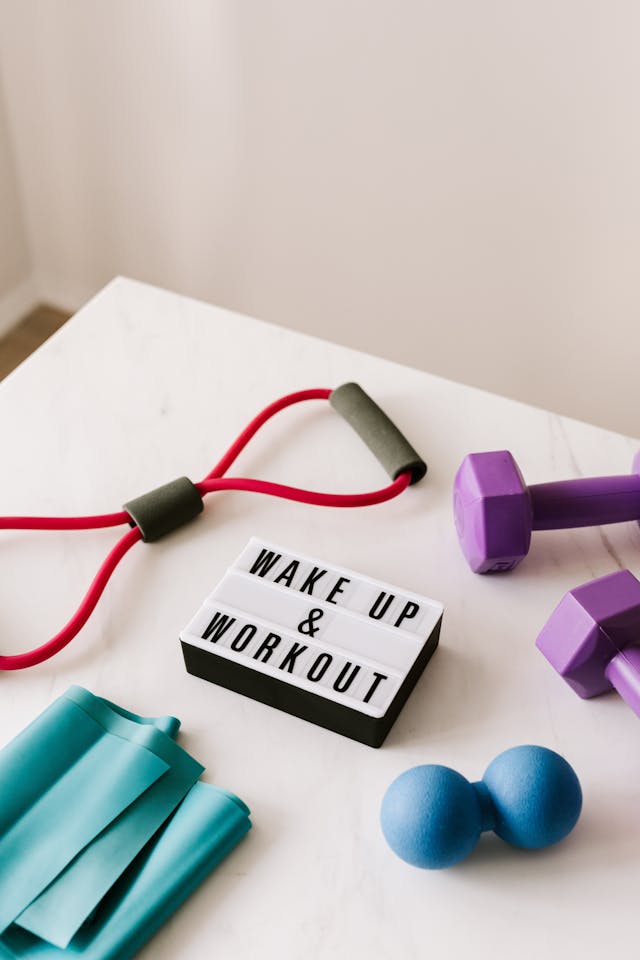
Exercise is essential because the human body is designed for activity.
Without regular exercise, our physical and mental systems begin to deteriorate. Regular physical activity is not just a way to improve your appearance; it is a key pillar of overall health and quality of life.
Physical health and disease prevention
• Cardiovascular health: The heart is a muscle. Exercise strengthens it, which improves blood pumping, lowers resting blood pressure, and reduces the risk of heart attack and stroke.
• Weight management: Exercise burns calories. Combined with a balanced diet, it is key to maintaining a healthy weight and preventing obesity, which is a risk factor for many diseases.
• Chronic disease prevention: Regular activity significantly reduces the risk of developing type 2 diabetes (improves insulin sensitivity), certain types of cancer (e.g., colon and breast cancer), and metabolic syndrome.
• Strong bones and muscles: Exercise (especially bodyweight or weight-bearing exercises) increases bone density, which prevents osteoporosis, and maintains muscle mass and strength, which are essential for mobility.
• Healthy joints: Exercise lubricates joints and keeps them flexible, which reduces pain and the risk of arthritis.
• Better digestion: Physical activity stimulates bowel function and helps prevent constipation.
• Stronger immune system: Moderate regular exercise can strengthen the body’s defenses against infections.
Mental health and well-being
• Reducing stress and anxiety: Exercise releases endorphins (happy hormones), which naturally improve mood, relieve tension and reduce feelings of anxiety.
• Help with depression: Exercise has been shown to be effective as a complementary therapy for mild to moderate depression.
• Improved sleep: Regular activity helps us fall asleep faster and sleep more deeply, and quality sleep is the basis for regeneration.
• More energy: Although we get tired during exercise, long-term regular exercise increases energy levels and reduces chronic fatigue by improving the efficiency of the heart and lungs.
• Better self-esteem: Achieving exercise goals and improving physical fitness increase self-confidence.
Cognitive abilities (Brain)
• Better memory and concentration: Exercise increases blood flow to the brain, which encourages the formation of new brain cells and connections.
• Dementia prevention: Research shows that an active lifestyle in midlife reduces the risk of developing Alzheimer’s disease and other forms of dementia in old age.
Quality of life in old age
• Maintaining independence: Strong muscles, flexible joints and good balance are essential for performing daily tasks (walking up stairs, carrying groceries) without the help of others.
• Fall prevention: Better coordination and strength significantly reduce the risk of falls, which are a common cause of serious injuries in the elderly.
Lack of exercise (sedentary lifestyle) is manifested through subtle signs such as frequent back pain, joint stiffness, shortness of breath even with minimal exertion, poor digestion, constant fatigue and low mood.
How much exercise do we need?
The World Health Organization (WHO) recommends for adults:
• At least 150 to 300 minutes of moderate-intensity aerobic activity per week (e.g. brisk walking, cycling, swimming). This is about 30 minutes 5 times a week.
• OR at least 75 to 150 minutes of high-intensity aerobic activity per week (e.g. running).
• Exercises to strengthen large muscle groups twice a week.
Remember: Every movement counts. Even if you can’t reach the recommended minutes, any activity is better than none. Start slowly and incorporate movement into your daily routine (walking instead of taking the elevator, taking a short walk during breaks).
You may like these too

How to lose weight safely and healthily
Here’s an effective and safe approach to losing weight quickly but healthily — without extreme d
17.05.2026
High-Protein, Low-Calorie Snacks
High-protein, low-calorie snacks are a great choice if you want to increase your protein intake with
17.05.2026

Beneficial bacteria for the gut
What is the gut microbiome? • The complex community of billions of microorganisms (bacteria, virus
17.05.2026

Prom hairstyles
Prom hairstyles are not just a “nice accessory” – they actually have a huge impact on your ove
13.05.2026