
Aging and metabolism

05.07.2026
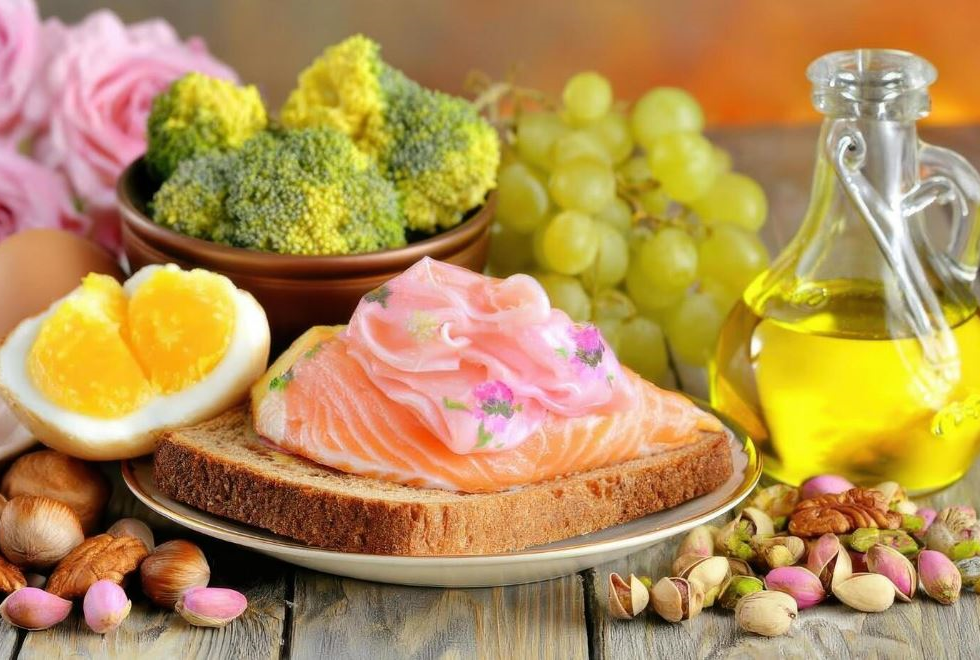
Aging and metabolism are closely related processes.
As we age, our bodies go through many changes that also affect our metabolism – the processes by which our bodies convert food into energy.
In short: aging itself has some effect on our metabolism, but lifestyle, muscle mass and physical activity are often more important factors than chronological age itself.
What is metabolism?
Metabolism encompasses all the chemical processes in the body that:
• produce energy from food,
• build and repair tissues,
• remove waste products,
• regulate organ function.
How does aging affect metabolism?
As we age, our metabolism usually slows down due to several factors:
💪 Loss of muscle mass
○ Muscles use more energy than fat tissue.
○ After about the age of 30, muscle mass begins to gradually decline if it is not maintained through exercise.
🧠 Hormonal changes
○ Levels of certain hormones (e.g. growth hormone, sex hormones) decrease.
○ This affects energy expenditure and body composition.
🚶 Less physical activity
○ Many people become less active as they age.
○ Less exercise means less daily calorie consumption.
🔻 Changes in organ function
○ The function of the liver, kidneys and other organs can change slightly, which affects metabolic processes.
Is metabolism inevitable?
For a long time, it was believed that metabolism begins to slow down significantly in middle age.
More recent research shows that basal metabolic rate in adults is surprisingly stable between about 20 and 60 years of age.
A more noticeable decline often begins only after the age of 60, and part of the changes are due to loss of muscle mass and less activity.
How to maintain a healthy metabolism as you age?
• Regular strength training (muscle preservation).
• Enough protein in your diet.
• Regular aerobic activity (walking, running, cycling, swimming).
• Quality sleep.
• Maintaining a healthy body weight.
• Avoiding smoking and excessive alcohol consumption.
You may like these too
Honey
For millennia, honey has been prized as a natural wonder, often referred to simply as “liquid
15.10.2026
Millet
Millet, derived from millet, is an ancient grain that has recently gained popularity due to its many
14.10.2026
Persimmon
Persimmon, often called “food of the gods” (from the botanical name Diospyros kaki), is
12.10.2026
How to get rid of visceral fat?
Getting rid of visceral fat (the fat around your internal organs) is crucial, as this type of fat is
12.10.2026