
Nutrients that the body needs most after the age of 50

09.09.2026
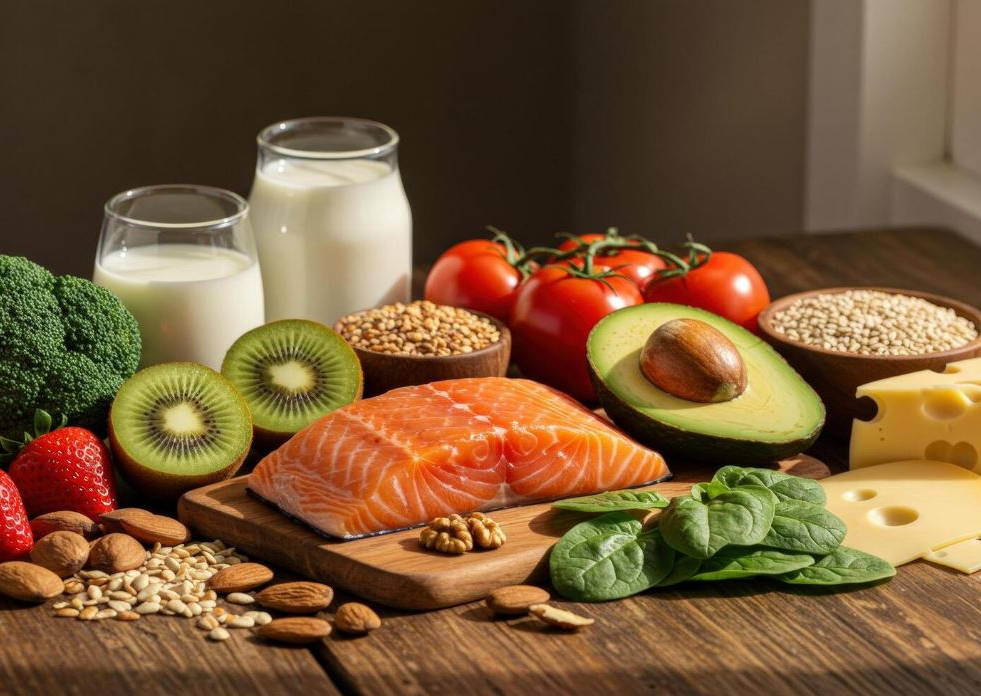
After the age of 50, significant changes begin to occur in the body: metabolism slows down, muscle mass decreases, bones become more susceptible to loss of density, and the intestines have difficulty absorbing certain nutrients.
In order to maintain high energy levels, strong bones, good digestion and vitality, it is recommended to focus your diet on the intake of the following key nutrients.
1. Protein (to maintain muscle mass)
After the age of 50, muscle mass loss (sarcopenia) naturally accelerates, which can slow down metabolism and reduce strength.
• Why they are important: They build and repair muscles, bones and tissues.
• Main sources: Eggs, low-fat dairy products (Greek yogurt, cottage cheese), fish, poultry, legumes (chickpeas, lentils) and tofu.
2. Calcium and Vitamin D (for bone protection)
Due to changes in hormonal balance (especially in menopausal women), bones lose density more quickly, which increases the risk of osteoporosis.
• Why they are important: Calcium strengthens bones and teeth, and Vitamin D is necessary for the body to absorb this calcium.
• Main sources:
Calcium: Seeds (sesame, chia), dark green leafy vegetables (kale, spinach), natural yogurt, sardines with bones.
Vitamin D: Oily fish (salmon, mackerel), egg yolk and supplements in the winter months.
3. Vitamin B12 (for energy and the nervous system)
With age, the secretion of stomach acid, which is necessary for the absorption of vitamin B12 from food, decreases.
• Why it is important: A deficiency causes fatigue, weakness, memory problems and tingling in the limbs.
• Main sources: Fish, eggs, meat, fortified plant-based drinks or dietary supplements (especially when meat intake is low).
4. Fiber (for gut and heart health)
Slow peristalsis after age 50 often leads to constipation and slower digestion.
• Why they are important: They promote regular digestion, nourish good gut bacteria, help regulate blood sugar levels and lower bad cholesterol (LDL).
• Main sources: Oatmeal, vegetables (bell peppers, broccoli, cauliflower), fruits, legumes and flax and chia seeds.
5. Omega-3 fatty acids (for the brain, heart and joints)
Chronic inflammation in the body occurs more often with age and affects the health of joints and blood vessels.
• Why they are important: They protect the heart and blood vessels, support brain function (memory) and reduce inflammation and pain in the joints.
• Top sources: Wild salmon, sardines, mackerel, walnuts, flaxseed, and extra virgin olive oil.
6. Magnesium (for relaxation, sleep, and muscles)
Magnesium is involved in over 300 biochemical processes in the body, and its absorption decreases significantly with age.
• Why it’s important: Prevents nighttime leg cramps, helps manage stress, improves sleep quality, and supports heart health.
• Top sources: Pumpkin and sunflower seeds, almonds, spinach, black beans, and dark chocolate (with at least 70% cocoa).
💖 💖 💖 💖 💖 💖
You may like these too

The best way to lose belly fat
The best way to lose belly fat is not a single trick, but a combination of diet, exercise and lifest
09.09.2026
Nutrients that the body needs most after the age of 50
After the age of 50, significant changes begin to occur in the body: metabolism slows down, muscle m
09.09.2026
Seasonal foods
Seasonal foods are fruits, vegetables, and other cultivated foods that ripen and are harvested durin
09.09.2026

The key to vitality
The key to vitality is a balance between physical health, mental well-being and life energy. Vitalit
09.09.2026