
Autumn nutrition

29.09.2026
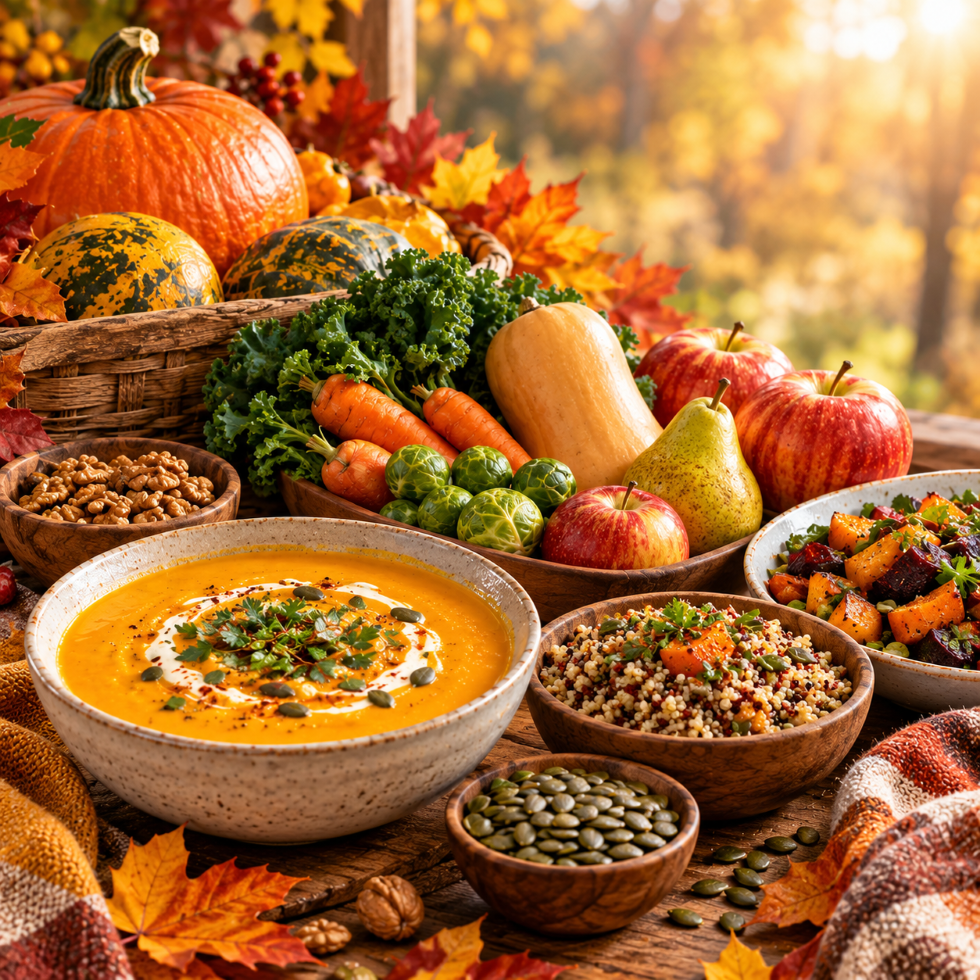
Autumn nutrition is important mainly because the body’s needs change with lower temperatures, shorter days and the onset of a colder period.
It is not a special “autumn diet”, but a balanced, seasonal and nutrient-rich diet.
🍂 The importance of autumn nutrition
• supports the immune system during colds and infections,
• helps maintain energy and well-being,
• provides vitamins, minerals, fiber and antioxidants,
• helps with weight management,
• supports healthy digestion.
🥕 Benefits of seasonal food
Autumn is a great choice for:
• pumpkins – a source of carotenoids and fiber,
• apples and pears – contain fiber and various antioxidants,
• cabbage, broccoli, cauliflower and kale – rich in vitamins and minerals,
• carrots, beets and sweet potatoes – nutritious vegetables with many beneficial plant compounds,
• chestnuts – a source of complex carbohydrates and fiber,
• nuts and seeds – contain beneficial fats and protein,
• legumes – a good source of plant protein and fiber.
☕ Useful tips
1. Try to include vegetables or fruit at each main meal.
2. Choose whole grains, legumes, fish, eggs, lean meat or other sources of protein.
3. Don’t forget about fluids – it is important to drink enough even in autumn.
4. Instead of frequent sweet snacks, choose fruit, yogurt, nuts or seeds.
5. Use seasonal ingredients and eat a varied diet.
6. Warm meals such as vegetable soups, stews and porridges can be a practical way to get more vegetables and legumes.
7. When it comes to processed foods, be aware of the high amount of salt, added sugar and saturated fat.
A simple example of an autumn day: oatmeal with an apple and nuts for breakfast, vegetable soup + legumes or meat for lunch, yogurt and fruit for a snack and wholemeal bread with an egg and vegetables for dinner.
The most important thing is that your diet is varied, balanced and adapted to your needs, not that you eat as many “autumn” foods as possible.
🌿 🌿 🌿🌿 🌿 🌿
You may like these too
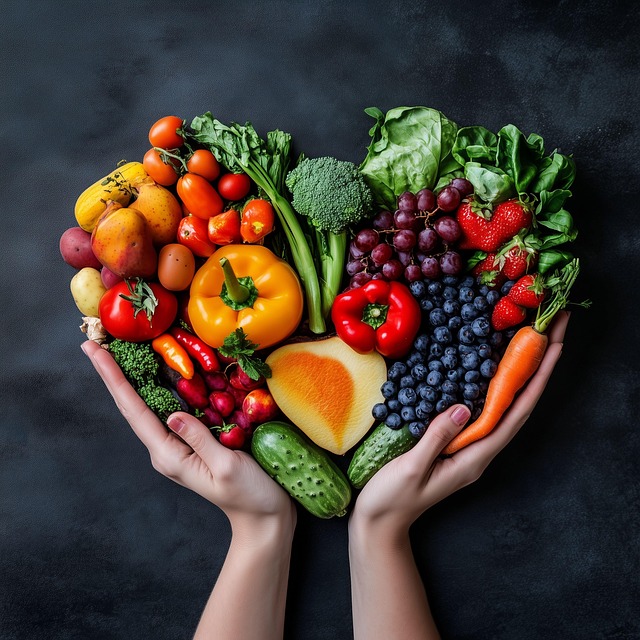
Anti-aging Guidelines
An effective and comprehensive approach to slowing down the aging process (anti-aging or healthy agi
06.10.2026
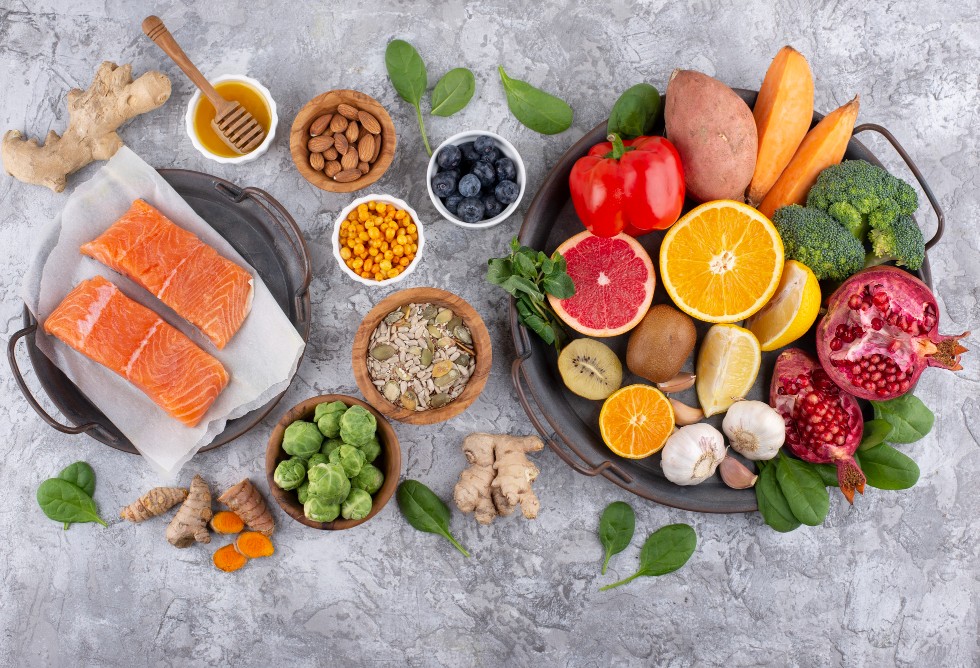
Proper nutrition and the body’s natural defenses
Nutrition plays a key role in the functioning of the immune system. The body’s natural defenses ac
06.10.2026
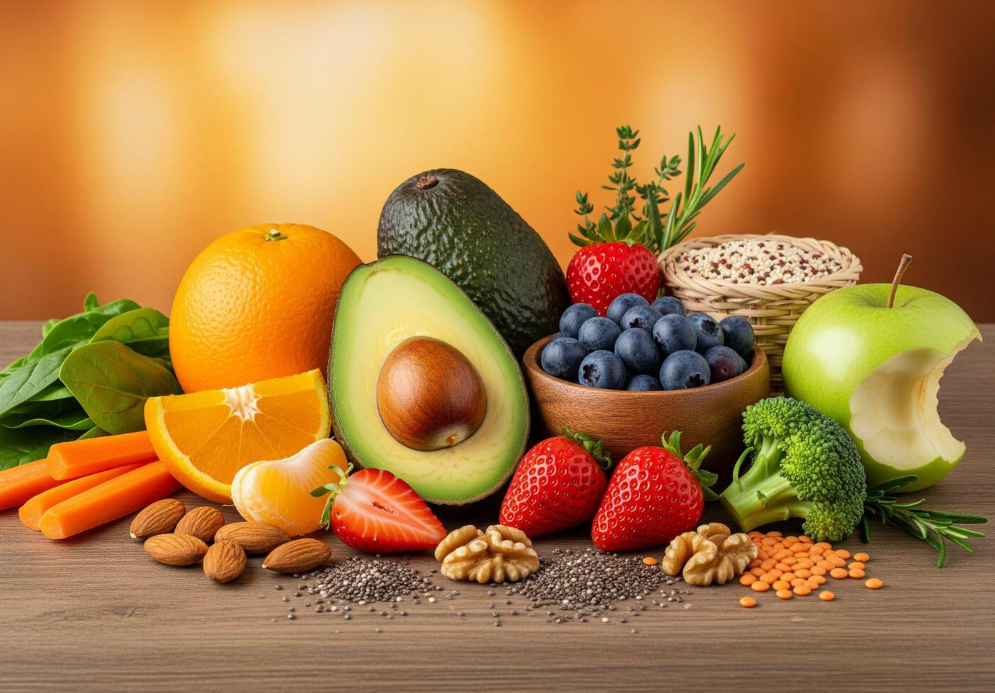
Key nutrients that slow down aging and maintain vitality
Slowing down the aging process (the so-called anti-aging or healthy aging concept) relies on reducin
30.09.2026
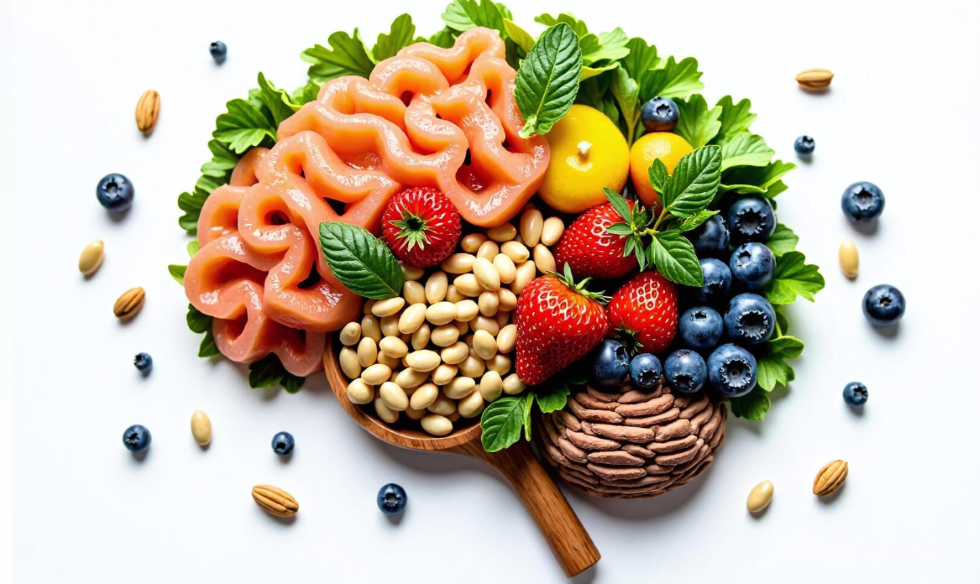
Brain-healthy food
Brain-healthy food is crucial for concentration, memory, mood, and long-term mental health. Below is
29.09.2026