
Chestnuts

10.11.2026
🌰 CHESTNUTS – A PRECIOUS AUTUMN TREAT
As nature takes on warm shades of yellow, orange, and brown, the season for one of autumn’s most beloved treats—the chestnut—arrives.
The scent of roasted chestnuts often evokes memories of cooler autumn days, strolls through the city, home-cooked meals, and cozy moments spent with loved ones.
Chestnuts are appealing not only for their pleasantly sweet flavor but also for their unique nutritional profile and versatility in the kitchen.
They can be roasted, boiled, puréed, added to soups, sauces, stuffings, and desserts, or even ground into flour.
🌰 WHAT ARE CHESTNUTS?
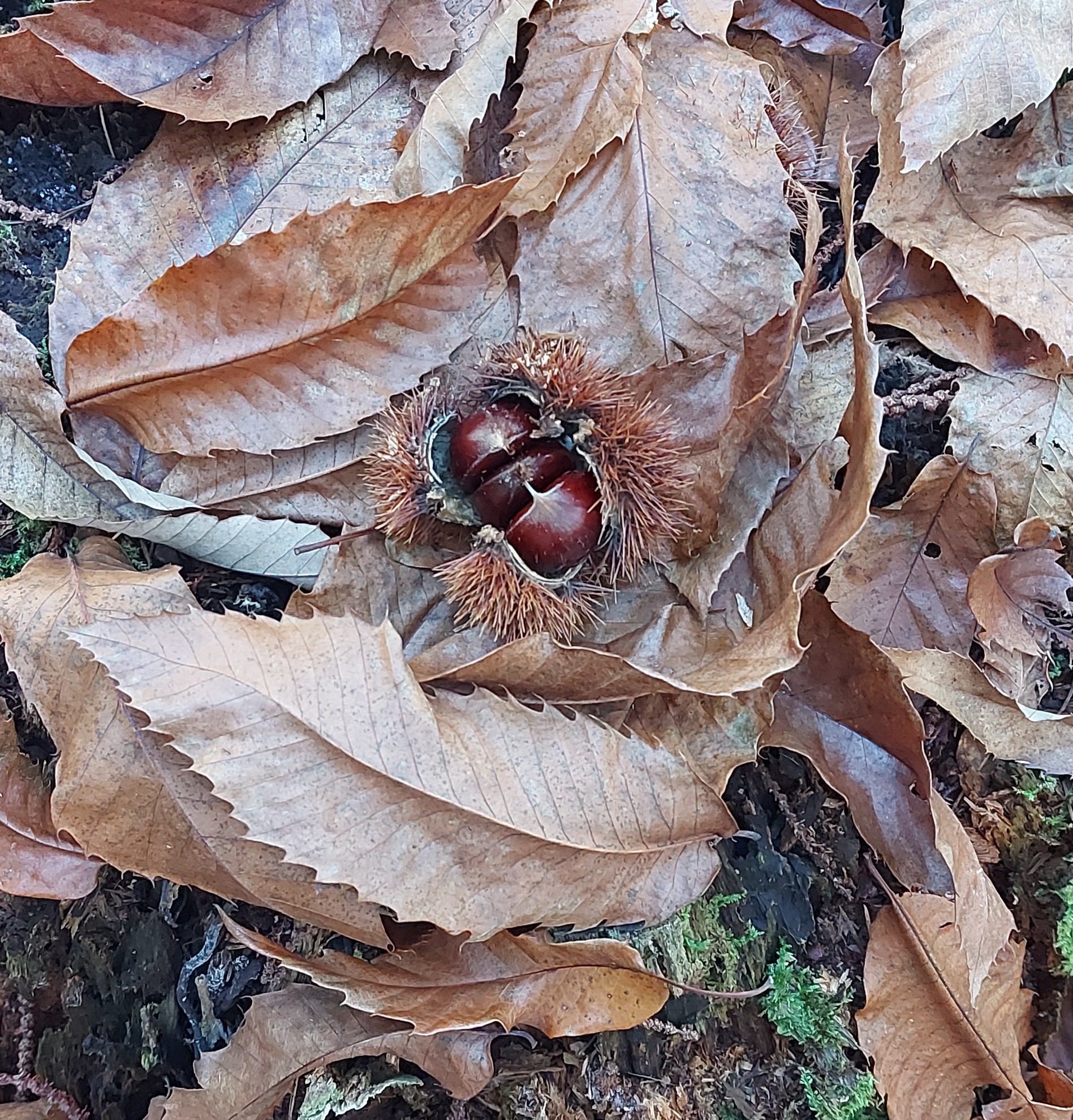
Edible chestnuts are the fruit of the chestnut tree, growing inside a spiky husk. In autumn, the nuts ripen and fall to the ground, where they can be gathered. It is important, however, to know the difference between edible chestnuts and other similar-looking nuts.
Edible chestnuts have a firm shell and an edible kernel with a pleasant, mildly sweet taste. Before they can be eaten, they must be properly prepared—most commonly by boiling or roasting.
🍂 CHESTNUTS – A SYMBOL OF AUTUMN
For many, chestnuts are one of the quintessential symbols of autumn. Much like pumpkins, apples, mushrooms, and hearty stews, chestnuts evoke a sense of comfort and seasonal delight.
Their aroma is also a distinctive feature; roasted chestnuts quickly fill a kitchen with a pleasant scent, creating a warm and inviting atmosphere. That is precisely why many associate them with socializing, autumn walks, and cozy evenings.
💪 NUTRITIONAL VALUE OF CHESTNUTS
Chestnuts differ significantly from most nuts. While many nuts are primarily rich in fats, chestnuts consist mainly of carbohydrates and starch.
They also contain:
• dietary fiber,
• some protein,
• B-group vitamins,
• vitamin C,
• potassium,
• magnesium,
• manganese,
• copper, and other minerals.
Due to their composition, chestnuts are more similar to starchy foods—such as potatoes, grains,
or other side dishes—than to typical nuts.
⚡ A SOURCE OF NATURAL ENERGY
Chestnuts contain carbohydrates, which provide the body with energy. This makes them an excellent choice for colder days when we crave a warm and satisfying meal.
Boiled or roasted chestnuts can serve as:
• a standalone snack,
• an addition to lunch,
• a side dish for meat or vegetable-based meals,
• an ingredient in soups or stews.
Because they also contain dietary fiber, they can help promote a feeling of fullness.
🌿 THE IMPORTANCE OF DIETARY FIBER
Dietary fiber plays an important role in the proper functioning of the digestive system. It contributes to a better nutritional balance in meals and helps create a sense of satiety. Chestnuts can therefore be easily incorporated into a varied diet alongside:
• vegetables,
• fruit,
• legumes,
• whole grains,
• seeds and nuts.
Regularly drinking enough fluids is also important for good digestion.
❤️ CHESTNUTS AND A HEALTHY LIFESTYLE
Chestnuts fit perfectly into a balanced lifestyle. They are particularly interesting as a seasonal food that can serve as an alternative to more highly processed snacks.
Instead of sweet, commercially prepared snacks, you can occasionally enjoy:
• roasted chestnuts,
• boiled chestnuts,
• chestnut purée (without large amounts of added sugar),
• homemade chestnut soup.
Moderation is key. Even nutritious foods contain energy, so it is best to include chestnuts as part of a balanced meal.
⚠️ IMPORTANT ADVICE FOR FORAGING
When foraging, always ensure that you are collecting the correct edible chestnuts, and make sure you are well-acquainted with both the area and the nuts you are gathering.
If you are not confident in your identification, it is better to buy chestnuts or seek help from someone with experience.
Never consume wild-foraged produce unless you are absolutely certain of what you have collected.
🍂 CHESTNUTS AND SEASONAL EATING
One of the advantages of chestnuts is their seasonality. Eating seasonally allows for greater variety throughout the year.
In autumn, chestnuts can be paired with other seasonal foods, such as:
• apples,
• pears,
• pumpkins/squash,
• cabbage,
• carrots,
• mushrooms,
• walnuts.
This allows for the creation of many delicious, homemade, and nutritious dishes.
🌰 CHESTNUTS – MORE THAN JUST AN AUTUMN SNACK
Chestnuts are a perfect example of how simple, seasonal foods can be incredibly versatile.
They can serve as a quick roasted snack during an autumn walk, an ingredient in a creamy soup, a side dish for lunch, or the star of a dessert.
What makes them special is their unique combination of a pleasant flavor, starch, dietary fiber, and various micronutrients.
Best of all, their aroma often evokes the essence of autumn—the warmth of home and cherished moments spent with loved ones.
Make chestnuts more than just a snack this autumn – use them in soups, salads, side dishes, and desserts, and discover all their delicious possibilities. 🌰🍂❤️
You may like these too
Foods to Include in Your Daily Diet
Food is fuel for our body. By choosing high-quality foods, we can do a great deal every day for our
12.11.2026
The Secret to a Healthy Lifestyle
A healthy lifestyle is not just a one-time decision; it is the way we care for our body, mind, and w
12.11.2026
Simple Ways to Reduce Calorie Intake
Many people believe that losing weight requires eating very little. In reality, what you eat is far
12.11.2026

Reading Food Labels
Reading Food Labels – How to Read Them Correctly and Why? Food labels are an important source of i
12.11.2026