
The effect of alcohol on hair and scalp

05.08.2026

Although we often focus on external influences (such as sun, salt or heat styling), alcohol consumption has an extremely strong effect on hair and scalp – except that it comes from within.
What happens to your hair when you consume alcohol, and how to mitigate it.
1. How does alcohol affect hair and scalp?
💧 1. Severe dehydration effect (dry and brittle hair)
Alcohol is a strong diuretic – it promotes the excretion of water from the body.
• Scalp: It becomes dry, tight, prone to itching and flaking (dry dandruff).
• Hair structure: When the root and shaft of the hair do not receive enough water, the hair loses its elasticity, begins to split, becomes thin and feels like “straw” to the touch.
🧪 2. Nutrient and mineral deficiency
For a healthy growth cycle, hair needs vitamins and minerals. Alcohol interferes with the absorption of key nutrients in the intestines and accelerates their excretion:
• Zinc and iron: A deficiency of these two minerals is one of the main reasons for weakened roots and hair loss.
• B-complex vitamins (especially biotin and B12): They are essential for the synthesis of keratin (the building block of hair). Alcohol reduces their levels in the body.
• Vitamin C and A: Important antioxidants for cell renewal and the production of natural oils (sebum) on the scalp.
⚖️ 3. Hormonal imbalance and hair loss
Regular or excessive alcohol consumption can affect estrogen and testosterone levels.
• Fluctuations in hormonal balance can cause a condition where a larger number of hairs prematurely enter the shedding phase.
• The level of the stress hormone (cortisol) also increases, which also negatively affects hair follicles.
🔴 4. Inflammatory conditions and oily dandruff
Alcohol dilates blood vessels and causes mild inflammation in the body.
• In people prone to seborrheic dermatitis, alcohol consumption can cause sudden outbreaks of redness, itching and the formation of oily dandruff.
• In addition, drinks with a high sugar content (cocktails, beer) feed yeast on the scalp, which makes the condition worse.
2. How to mitigate the consequences and get your hair back in shape?
If you don’t want to give up alcohol completely (e.g. on special occasions), you can reduce the damage with a few simple steps:
🍹 While drinking alcohol:
• The 1:1 rule: For every glass of alcoholic beverage, drink one large glass of water. This will significantly reduce systemic dehydration.
• Avoid sugary mixed drinks: Sugar additionally stimulates inflammatory processes on the scalp.
🌿 Care and recovery (next day):
1. Intensive hydration from the inside: Drink plenty of water, electrolytes or coconut water to restore lost minerals to the body.
2. Nutritional support: Include foods rich in zinc, iron and B vitamins (eggs, nuts, green vegetables, legumes), or take quality hair supplements.
3. Careful scalp care: Use a mild, moisturizing, sulfate-free shampoo. If your scalp is dry and itchy, you can massage a few drops of jojoba or aloe vera oil into your hair before washing.
An occasional glass of wine or beer will not cause noticeable damage.
However, if alcohol is consumed regularly, this will quickly be reflected in poorer density, loss of shine and accelerated hair loss.
The best “medicine” for your hair is therefore moderation and plenty of water!
You may like these too
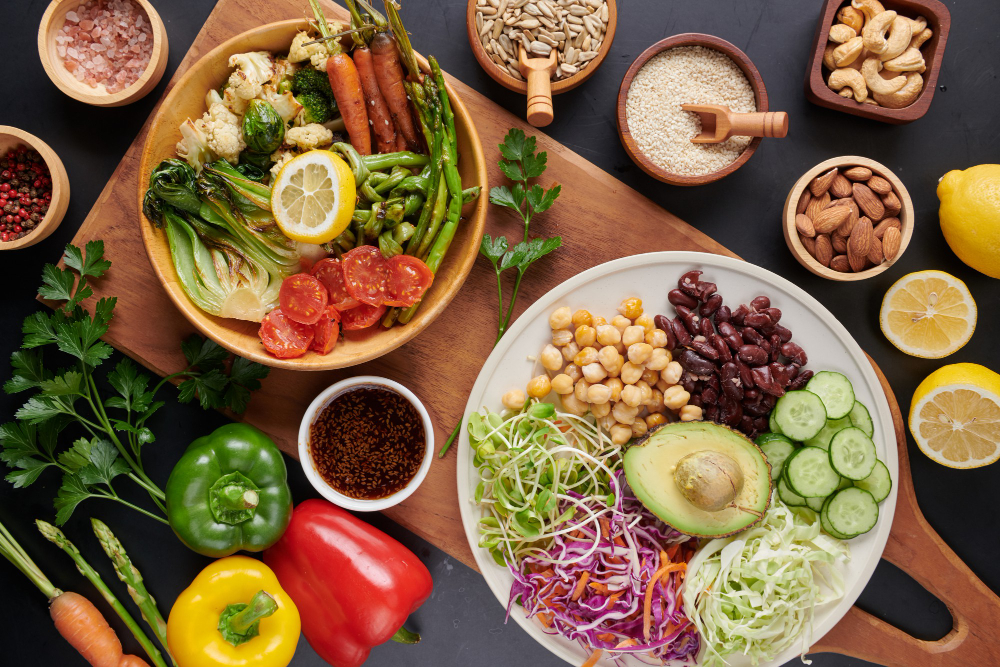
Signs You’re Eating Too Much Fiber
Fiber is the “good guy” of the diet in 90 percent of cases, but as the saying goes: too
12.08.2026

Light Summer Meals for More Energy
When the summer heat hits, we often feel drained and sleepy. The reason is that the body uses a lot
10.08.2026
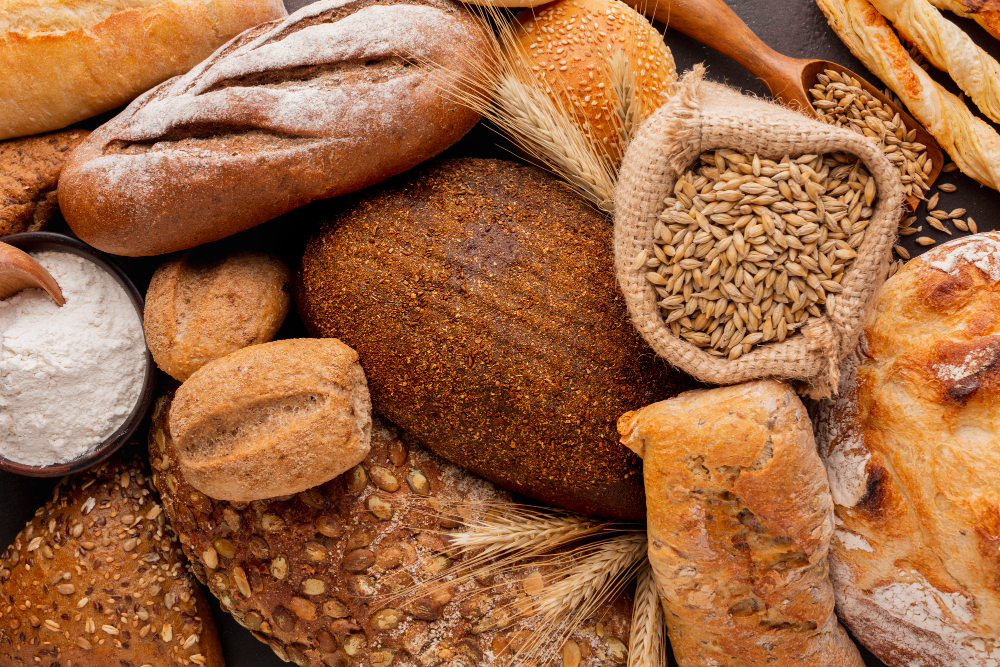
What to Eat Instead of Bread
Bread is often the main source of carbohydrates at meals, but there are many nutritious and deliciou
09.08.2026
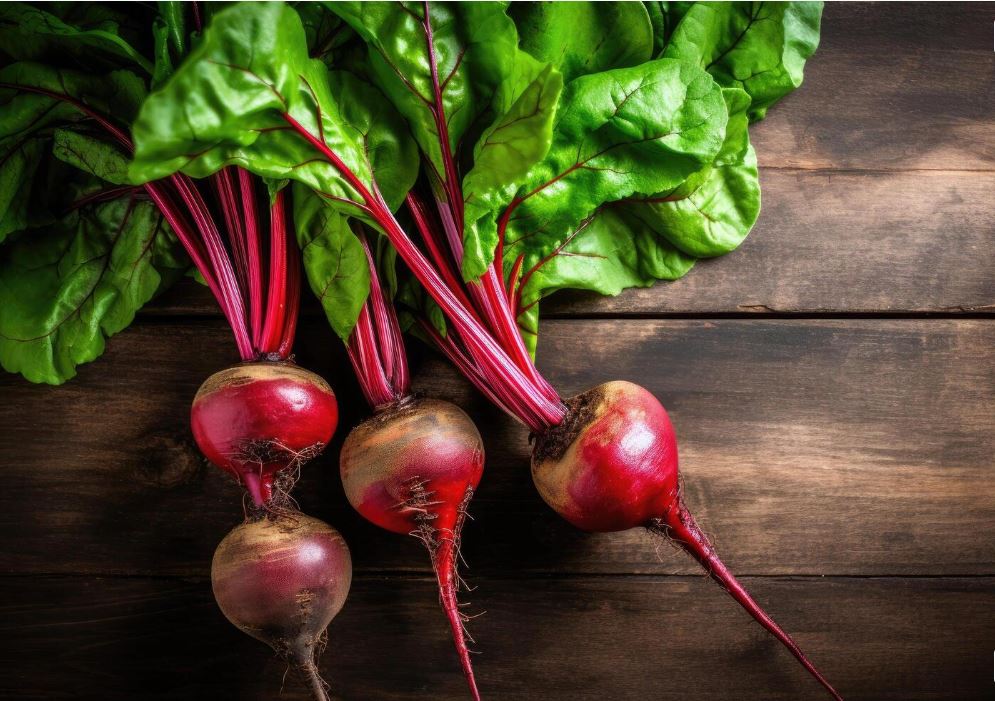
Beetroot
Beetroot is a true superfood, full of nutrients and medicinal properties that have a beneficial effe
09.08.2026