
Signs You’re Eating Too Much Fiber

12.08.2026
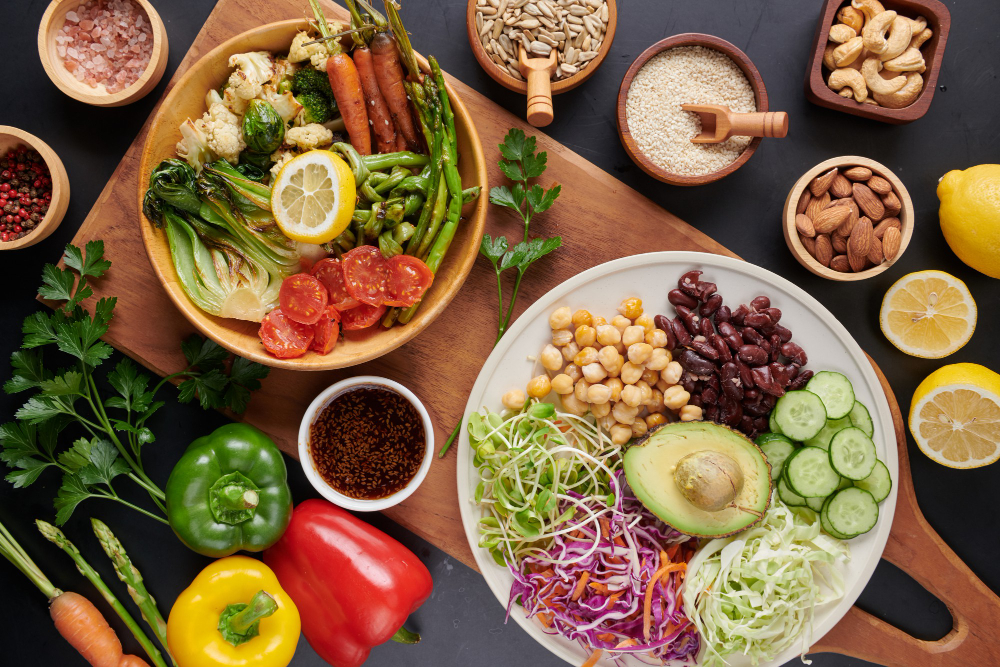
Fiber is the “good guy” of the diet in 90 percent of cases, but as the saying goes: too much of a good thing can be bad.
If you suddenly drastically increase your intake of vegetables, legumes, or whole grains, your body will quickly let you know.
Bloating and gas (most common sign)
Fiber is food for your gut bacteria. When these bacteria ferment fiber, they produce gas.
• What happens: If you eat more fiber than your bacteria can “process” in a given time, gas builds up in your intestines. The result is a bloated belly that can feel hard and painful.
Constipation (the fiber paradox)
Fiber usually helps with digestion, but only if you drink enough water.
• What happens: Fiber acts like a sponge – it draws water into itself to make stool soft. If there is not enough water, this “sponge” dries out and hardens in the intestines. Instead of things flowing, a plug forms.
• Solution: For every increase in fiber, you need to increase your water intake proportionally.
Diarrhea or loose stools
For some people (especially those with sensitive intestines), too much insoluble fiber (e.g. wheat bran, vegetable peels) can be too irritating.
• What happens: Fiber speeds up the movement of food through the digestive tract (peristalsis). If there is too much of it, the body does not have time to absorb water, leading to urgent visits to the toilet.
Abdominal cramps
Too much fiber can cause severe cramps as the intestinal muscles work hard to move this dense mass forward. This is especially pronounced if you have eaten a huge amount of raw vegetables or beans in one meal.
Mineral Deficiency (Long-Term Sign)
Fiber contains substances called phytates, which can bind to minerals.
• What’s happening: If you’re eating too much fiber, it can block the absorption of key minerals like calcium, magnesium, zinc, and iron.
• Sign: If you’re suddenly tired or have brittle nails despite eating a healthy diet, fiber may be stealing your nutrients.
What to do if you’ve been overdoing it?
Increase your water intake: This is essential to flush out your system.
Temporarily switch to cooked foods: Cooked vegetables are easier to digest than raw ones, as the heat has already partially broken down the fiber.
Exercise: Walking helps stimulate your intestines to move gas and stool.
Gradual: If you want to increase your fiber intake, do it slowly—add just 5g per week to let your microbiome adjust.
Tip: If you notice these signs while you’re at work, try drinking warm herbal tea (anise, cumin, or mint), which can relieve cramps and help expel gas.
You may like these too
Signs You’re Eating Too Much Fiber
Fiber is the “good guy” of the diet in 90 percent of cases, but as the saying goes: too
12.08.2026

Light Summer Meals for More Energy
When the summer heat hits, we often feel drained and sleepy. The reason is that the body uses a lot
10.08.2026
What to Eat Instead of Bread
Bread is often the main source of carbohydrates at meals, but there are many nutritious and deliciou
09.08.2026
Beetroot
Beetroot is a true superfood, full of nutrients and medicinal properties that have a beneficial effe
09.08.2026